Answers to practical questions about stainless steel fiber sintered felt, including materials, filtration properties, available specifications, applications, customization, and packaging.

Sintered fiber felt made from stainless steel is used when a filter medium needs a porous metal structure for liquid or gas filtration. This FAQ covers the material choices, operating characteristics, specifications, applications, customization, and order details buyers should clarify before requesting a quote.
What is stainless steel fiber sintered felt made from?
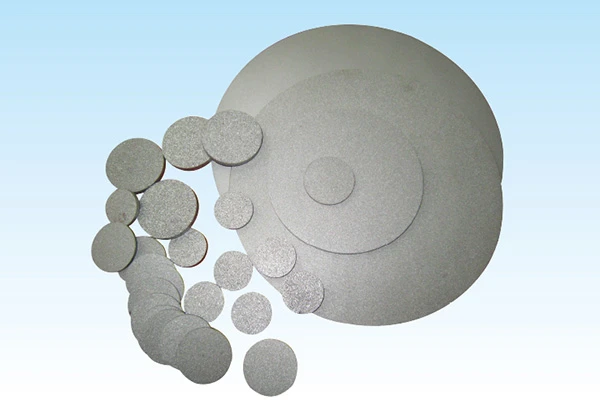
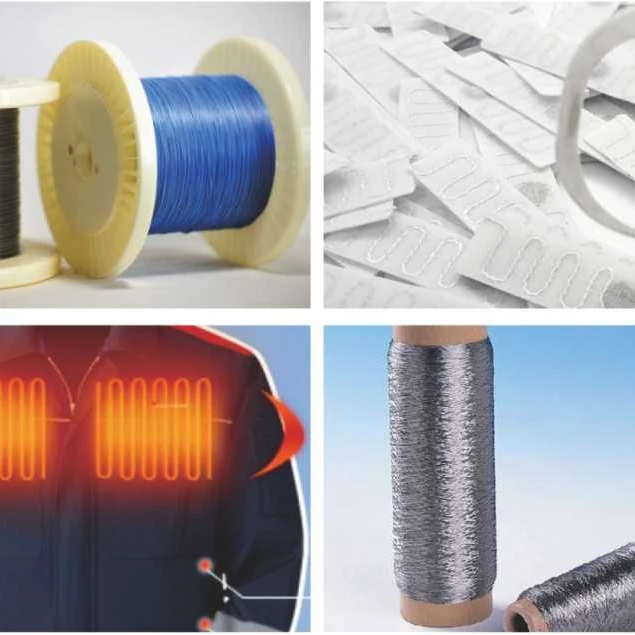
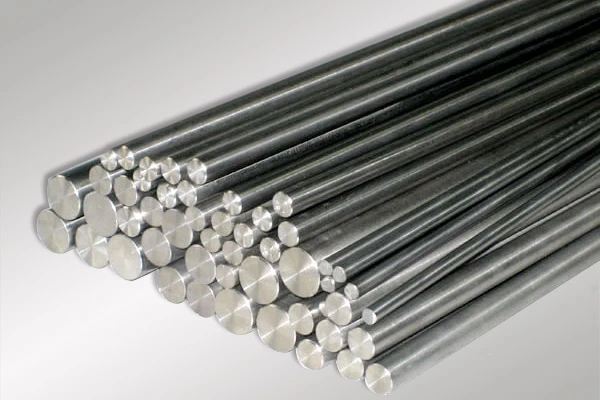
The felt is made from stainless steel fiber. The available stainless steel materials include 316L, 304, 302, 430, and 434. Stainless steel fiber is produced from stainless steel wire by a bundle drawing process, with fiber diameters available from 1 to 100 microns according to the requested specification.
For a filter design, the steel grade and fiber size should match the fluid, temperature, and separation target. Send the required grade, target filtration characteristics, sheet dimensions, and operating conditions when asking for a quotation.
What filtration properties does the felt have?
The sintered felt has a uniform mesh structure and pore size, high porosity, high pressure resistance, high temperature resistance, and corrosion resistance. Its multilayer structure increases dirt-holding capacity. The product description also identifies small pressure loss and large flow as operating characteristics, and states that the material can be washed and reused multiple times.
The specification table covers fiber diameters from 3 to 100 microns. Depending on the selected diameter, listed thicknesses range from 0.34 to 1.30 mm, porosity from 67% to 89%, and bubble point from 360 to 13,000 Pa. Air permeability in the table ranges from 13 to 2,000 L/dm²·min. Select the specification from the required separation performance and flow conditions, not from fiber diameter alone.
Where is stainless steel fiber sintered felt used?
Applications include impurity filtration in chemical fiber, film, and viscose production; high-temperature flue-gas dust removal; and filtration of petroleum, petrochemical products, fuel, and hydraulic oil.
Picture a process line handling hydraulic oil: the filter element must fit the housing, support the required flow, and tolerate the operating pressure and temperature. For a flue-gas system, the selection also needs to account for the hot gas conditions and the required dust-removal arrangement. Provide the fluid or gas type, temperature, pressure, flow rate, and available installation space so the specification can be assessed for the intended service.
Can the felt be customized?
Yes. The material can be produced with different fiber diameters, and the felt specification table provides multiple combinations of diameter, thickness, porosity, bubble point, and air permeability. Stainless steel fiber itself can also be produced with a requested diameter between 1 and 100 microns, while filament count and single-fiber breaking strength can be controlled according to the customer’s request.
A useful inquiry should include the stainless steel grade, filter dimensions, required thickness, target porosity or bubble point, flow conditions, and the quantity required. Those details give the supplier a basis for matching the felt to the filter assembly.
How is stainless steel fiber sintered felt packaged?
The listed package is a wooden pallet. A customized package can be arranged according to the customer’s request. Include the shipping dimensions and handling requirements with the order information if the felt will be integrated into a larger filter assembly.
Before placing an order, send the application, stainless steel grade, dimensions, operating conditions, target filtration characteristics, quantity, and packaging requirements for review.
The people

About the author
The company
SHIJIAZHUANG POROYAL TECHNOLOGIES CO., LTD.
POROYAL is dedicated to the research and development of powder sintered porous filter technology, establishing itself as a leading innovator in advanced porous material solutions. POROYAL engineers deliver high-value engineering solutions to address complex product design challenges across diverse industries, including petrochemical, oilfield, water treatment, food & beverage, pharmaceutical, chemical processing, medical devices, vacuum conveying, and other specialized applications.…
About Us ↗Visit company website ↗Your next step
Bring your brief. Start a useful conversation.
Use case, specification, quantity and delivery window: make the next conversation specific.
Post Time: Nov . 02, 2026 02:23