Understanding Plastic Sintered Filters: Why They Matter Today
At first glance, the term plastic sintered filter sounds like something straight out of a materials science textbook—and honestly, it kind of is. But the real story lies not just in what these filters are, but why they’re so important globally. Simply put, a plastic sintered filter is a specialty filter made by fusing tiny plastic particles together under heat and pressure. These filters excel in durability, chemical resistance, and fine particulate filtration.
Why does this matter? Because clean air and water filtration are critical, from industrial manufacturing in remote factories to humanitarian water purification after disasters. The rise of sustainable industries and stricter environmental regulations worldwide make plastic sintered filters not just a technical curiosity but a key player in modern filtration solutions. Understanding their use and benefits opens doors to safer environments and innovative industry applications.
The Global Landscape: Challenges that Demand Better Filtration
Globally, poor filtration techniques contribute to significant economic losses and health risks. The World Health Organization estimates billions suffer from waterborne diseases annually due to contaminated water sources. Simultaneously, industries face increasing costs from inefficient production and equipment wear caused by impurities.
Plastic sintered filters come into play by addressing these precise challenges—they offer reliable, scalable solutions adaptable to diverse regions. For example, in rapidly urbanizing parts of Asia and Africa, industries require affordable yet robust filtration technologies. Technological standards like ISO 16889 for filtration efficiency push manufacturers to adopt better filters, and plastic sintered filters fit the bill.
So, What Exactly Is a Plastic Sintered Filter?
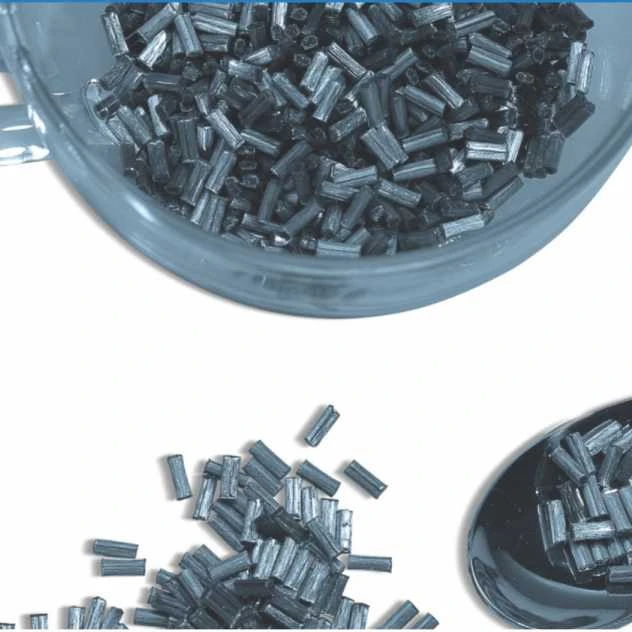
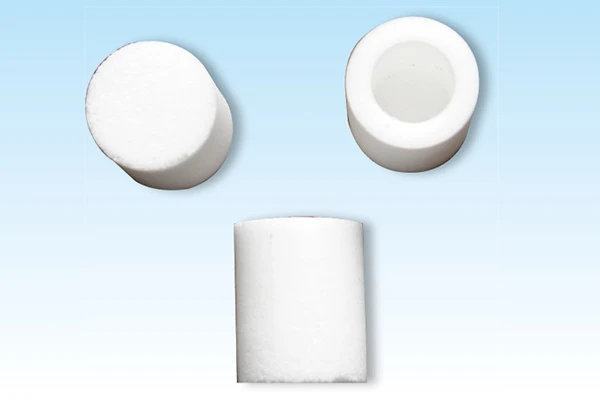
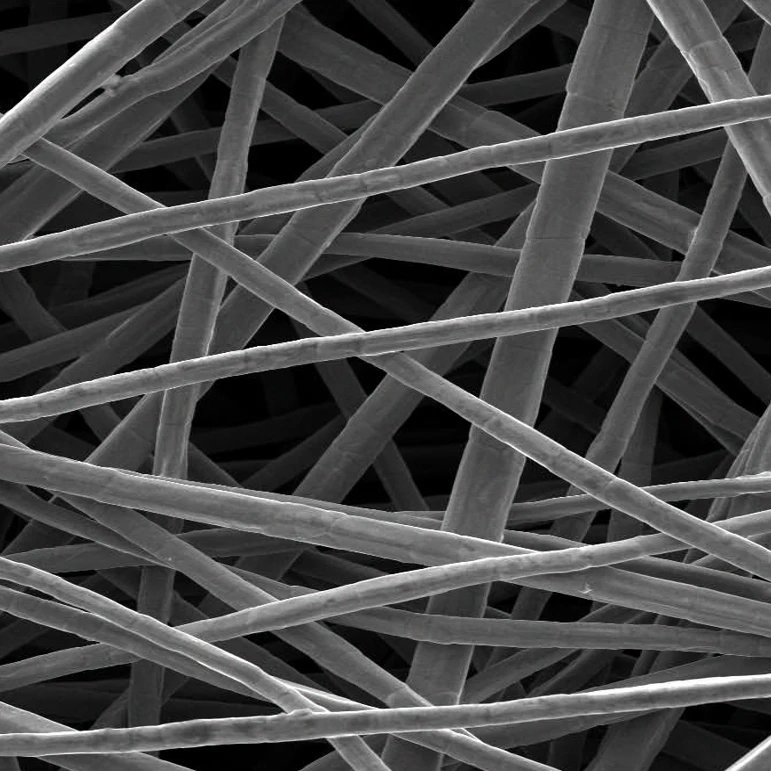
Imagine tiny plastic particles, almost like microscopic beads, pressed and heated till they fuse into a porous solid structure. That’s essentially what a plastic sintered filter is—porous enough to let fluids or gases through but fine enough to block contaminants. They can be shaped precisely during manufacturing, allowing for varied porosities suitable for different filtration needs.
In modern industry, these filters serve as key components in chemical processing, gas purification, and even biomedical setups. But beyond factories, there's a strong humanitarian aspect: filters that don’t corrode and withstand harsh environments prove vital in emergency water treatment where infrastructure is damaged.
Key Characteristics That Define Plastic Sintered Filters
Durability and Chemical Resistance
Plastic sintered filters generally use polymers like polyethylene or polypropylene, granting them excellent resistance against acids, bases, and solvents. Unlike metal filters, they won’t rust or degrade quickly — a big plus for long-term applications where maintenance isn’t easy.
Scalability and Customizability
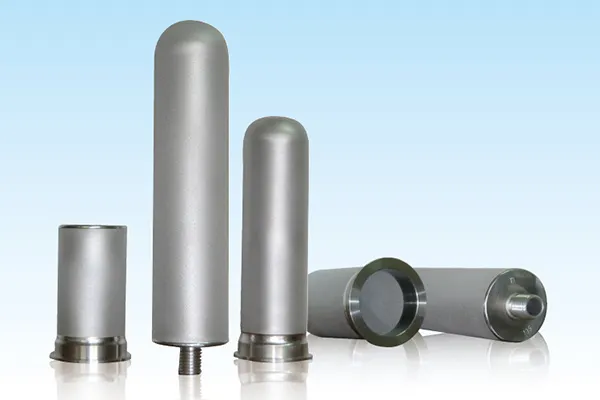
The sintering process can be tailored to produce filters ranging from small medical-grade cartridges to large, high-flow industrial elements. This flexibility makes it easier to deploy them in various environments—from compact water bottles to extensive refinery systems.
Cost Efficiency
Compared to sintered metal filters, plastic alternatives tend to be lighter and cheaper without sacrificing performance for many applications. This matters especially in cost-sensitive markets or remote regions where replacement and transport costs add up fast.
Environmental Impact
One might assume plastic filters are an environmental burden, but many manufacturers adopt recyclable polymers or biodegradable variants now. Plus, their longevity reduces waste frequency and energy consumption during replacement—small wins in the sustainability arena.
Porosity and Filtration Precision
The ability to control pore size distribution during manufacturing means these filters can trap particles down to microns while maintaining good flow rates. In industrial processes, this balance ensures clean end products without lowering efficiency.
Where Are Plastic Sintered Filters Actually Used?
The diversity is a bit surprising once you dig deeper:
- Chemical and Pharmaceutical Industries: Precise filtration of liquids prevents contamination and protects delicate processes.
- Water Treatment in Disaster Relief: Portable filtration units use sintered polymer cartridges to quickly provide safe drinking water in crisis zones.
- Food & Beverage Processing: Filtering beverages such as juices and soft drinks to improve clarity and safety.
- Automotive & Aerospace: Fuel and air filters benefit from their resistance to chemicals and temperature changes.
- Remote Industrial Zones: Where maintenance logistics are hard, plastic filters’ longevity reduces downtime significantly.
I remember reading about NGOs deploying water filtration kits with sintered plastic filters after flooding in Southeast Asia. Locals could drink safely without waiting weeks for infrastructure repair. That’s the kind of impact that technology brings to real lives.
Mini Takeaway:
Plastic sintered filters aren’t just “filters” — think of them as tiny guardians of health and industry, quietly but critically keeping contaminants out, no matter where in the world they’re deployed.
The Tangible Benefits and Lasting Value
If you’re weighing the investment, here’s the gist of why plastic sintered filters are so appealing:
- Lower Maintenance Costs: Their resilience means fewer replacements, translating to long-term savings.
- Energy Efficiency: Minimal flow resistance helps keep energy consumption down, which adds up in large-scale plants.
- Social Impact: Cleaner water and air lead directly to improved public health outcomes, especially in underserved regions.
- Trust and Innovation: Industries adopting these filters often see better product consistency and stronger regulatory compliance.
On a personal note, I guess there’s something satisfying about relying on a product that combines high-tech materials science with social good. It feels genuinely innovative yet grounded.
What’s Next? Advances and Trends in Plastic Sintered Filters
The technology isn’t standing still. Some trends worth keeping an eye on:
- Green Materials: Biopolymers and recycled plastics making filters that are both effective and eco-friendly.
- Smart Filtration: Embedded sensors that monitor clogging and performance in real time, enabling proactive maintenance.
- Digital Integration: Integration with IoT platforms for remote monitoring especially in industrial or remote sites.
- Hybrid Systems: Combining sintered filters with membranes or UV disinfection for multi-layered purification.
These innovations suggest filters won’t just be passive components; they’ll actively communicate and adapt to changing conditions.
Challenges & Practical Solutions
No technology is perfect. Some limitations of plastic sintered filters include potential thermal degradation at very high temperatures and limitations in extremely abrasive environments. However, manufacturers tackle these by:
- Developing high-performance polymer blends with enhanced heat resistance.
- Applying surface coatings to improve abrasion resistance.
- Designing modular filters that can be swapped quickly during maintenance downtime.
In real terms, field engineers often recommend pairing sintered plastic filters with other filtration stages to balance cost and performance, which feels like a smart, practical approach.
Quick FAQ: Your Plastic Sintered Filter Questions Answered
- What materials are commonly used in plastic sintered filters?
- Polyethylene (PE), polypropylene (PP), and sometimes polyphenylene sulfide (PPS) are popular choices due to their chemical resistance and durability.
- How do I know what pore size to choose for my application?
- Pore size depends on the contaminants you’re filtering. For fine particulates, filters with pore sizes in the 1-10 micron range are typical. Consult your supplier for testing and recommendations.
- Can plastic sintered filters be cleaned and reused?
- Yes, many are back-washable or able to withstand ultrasonic cleaning—though this depends on the polymer type and application environment.
- Are these filters suitable for drinking water purification?
- Absolutely. In fact, many portable water treatment devices incorporate plastic sintered filters due to their reliability and chemical inertness.
- How do plastic sintered filters compare to metal ones?
- They’re generally lighter, corrosion-resistant, and less expensive but may have lower thermal limits. The choice depends on the specific industrial or environmental needs.
Plastic Sintered Filter Specifications and Vendor Overview
| Specification | Typical Range | Notes |
|---|---|---|
| Material | Polypropylene, Polyethylene, PPS | Depends on chemical/thermal needs |
| Pore Size | 1 to 200 microns | Customizable per application |
| Operating Temperature | Up to 150°C (polypropylene) | Higher temps require PPS |
| Filtration Efficiency | Up to 99.9% | Depends on pore size |
| Typical Lifespan | 1-5 years (varies with use) | Long-lasting in non-abrading environments |
| Vendor | Material Options | Customization | Lead Time | Application Focus |
|---|---|---|---|---|
| China Porous Filters | PP, PE, PPS | High, bespoke pore sizes | 2-4 weeks | Industrial & Medical |
| Global Filter Tech | PP, PE | Standard sizes only | 1-2 weeks | Water Treatment |
| Eco-Sintered Solutions | Biodegradable polymers | Custom eco designs | 3-5 weeks | Sustainable applications |
Wrapping Up: Why Choose Plastic Sintered Filters?
There’s a quiet revolution happening in filtration technologies. Plastic sintered filters exemplify how blending material science with practical innovation can solve real-world problems, from industrial efficiency to clean water access in vulnerable communities. While challenges remain — like adapting filter compositions for extreme environments — the path forward is bright.
Whether you’re an engineer sourcing reliable filtration components, a humanitarian logistics planner, or simply curious about tech that quietly safeguards health and industry — diving into the details of plastic sintered filters is worth your time.
Want to explore options or get custom advice? Check out plastic sintered filter solutions directly from trusted manufacturers.
References & Further Reading
Post Time: Dec . 01, 2025 19:35