
-
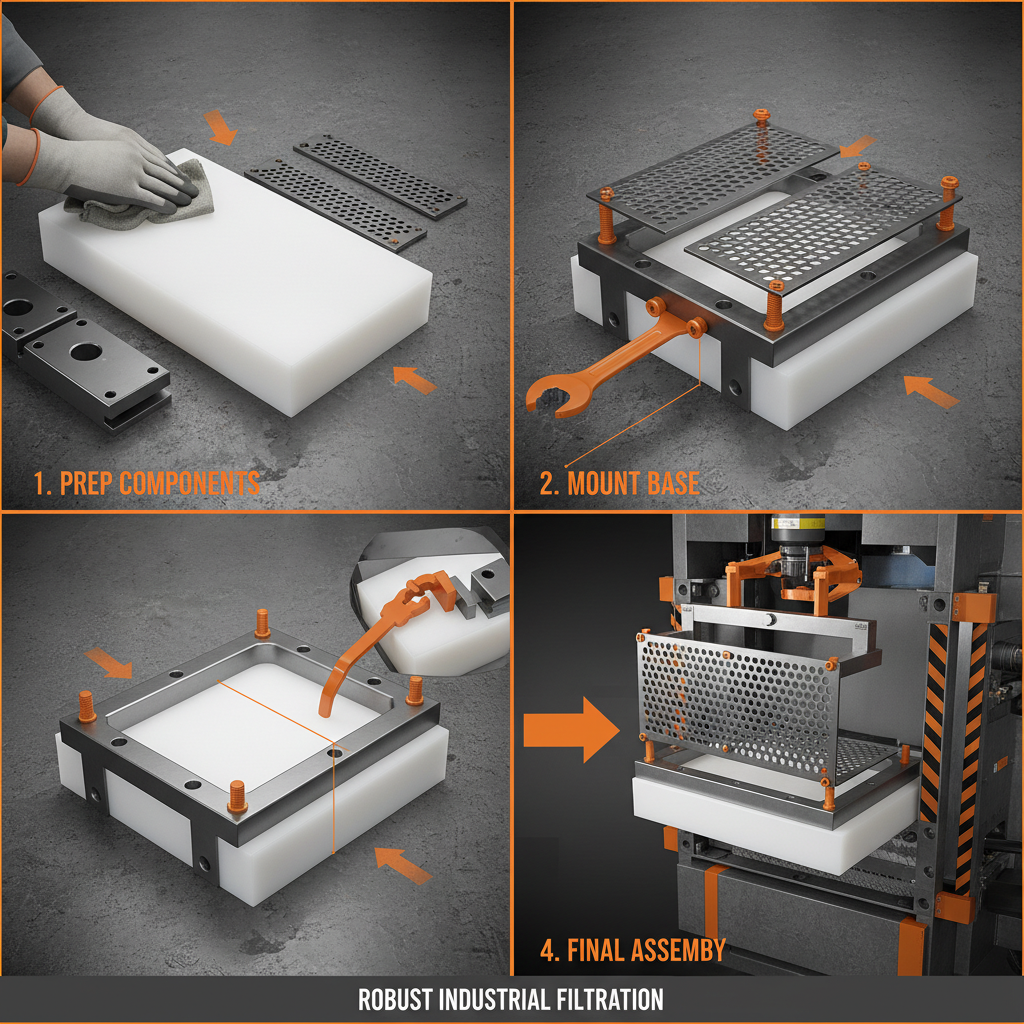
Solid plastic suction box covers are crucial components in various industrial processes, particularly those involving powder handling, pneumatic conveying, and dust collection. These covers provide a sealed environment for maintaining suction, preventing material loss, and ensuring system efficiency. At China Porous Filters, we specialize in manufacturing high-quality, durable suction box covers tailored to diverse industry needs. This article will delve into the benefits, materials, applications, and key considerations when selecting a solid plastic suction box cover. Solid plastic suction box covers offer numerous advantages over alternative materials like metal. Firstly, they are significantly lighter, simplifying installation and maintenance. Secondly, plastics are inherently corrosion-resistant, making them ideal for handling abrasive or chemically active materials. This translates to a longer lifespan and reduced replacement costs. Furthermore, plastic doesn’t readily conduct electricity, providing an added safety feature in certain applications. Read more »
-
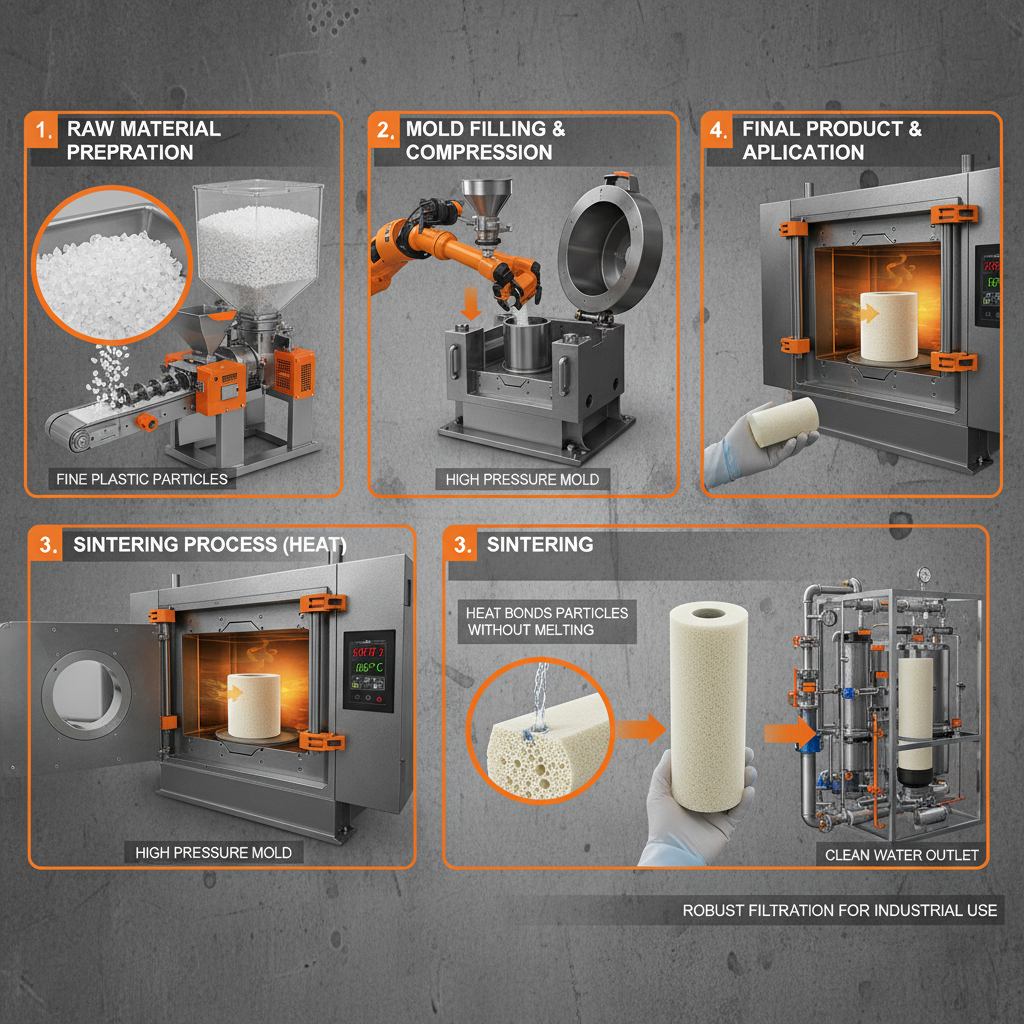
Plastic sintered filters are a versatile and increasingly important component in numerous industrial processes. These filters, known for their durability, chemical resistance, and precise pore size control, offer solutions for filtration, separation, and flow control in a wide range of applications. This article will explore the intricacies of plastic sintered filters, delving into their manufacturing process, key properties, diverse applications, and advantages over traditional filtration materials. Understanding these filters is crucial for optimizing processes and ensuring product quality in various sectors. The production of plastic sintered filters involves several critical steps. Firstly, the selected plastic powder must possess specific particle size distribution and morphology. This powder is then carefully loaded into a mold, compacted under high pressure to create a “green body”, and then sintered at a controlled temperature below the melting point of the plastic. During sintering, the plastic particles fuse together, forming a solid, porous structure. The sintering parameters—temperature, pressure, and duration—are meticulously controlled to achieve the desired pore size, porosity, and mechanical strength. Read more »
-
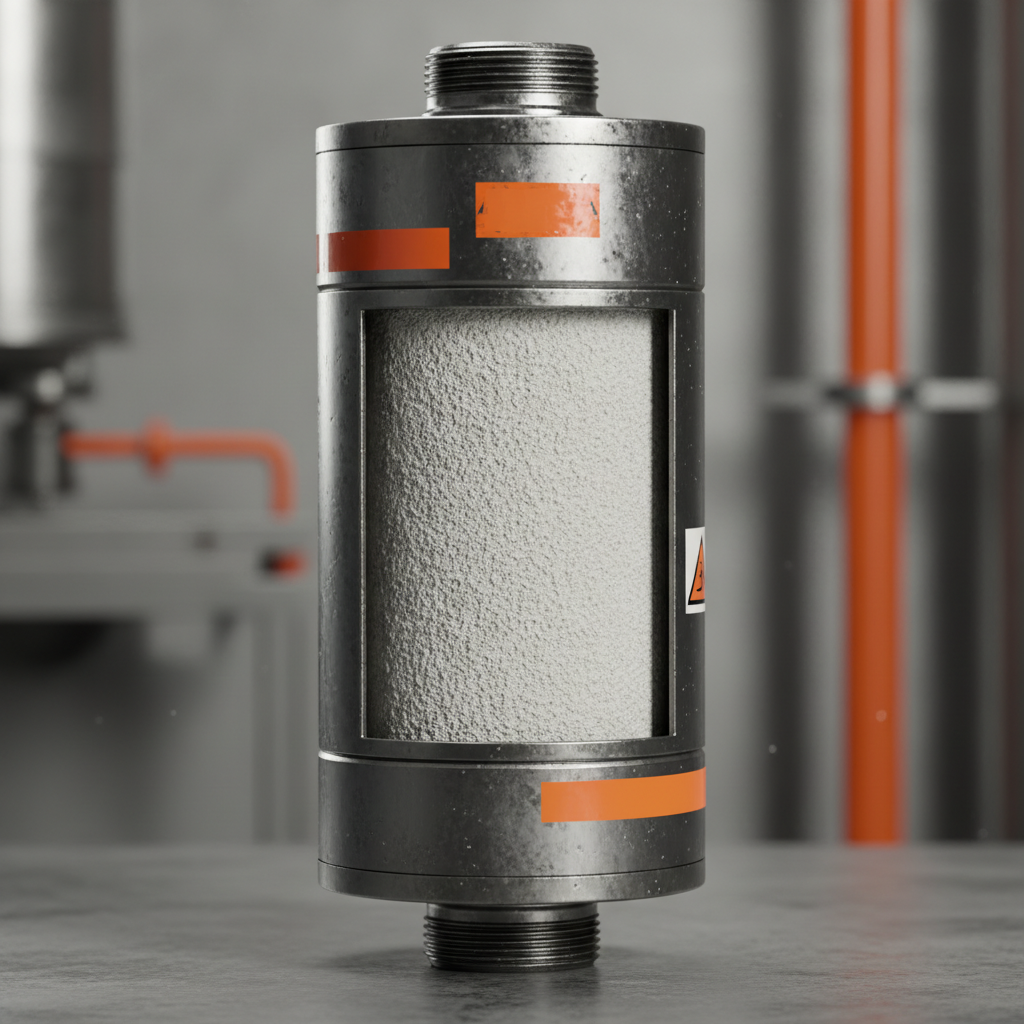
In the realm of filtration, UHMW-PE sintered filters stand out for their unique properties and wide range of applications. These filters offer a robust solution for various industries requiring efficient and reliable separation processes. This article will explore the characteristics, advantages, and applications of these filters, providing a comprehensive understanding for engineers, procurement professionals, and anyone seeking optimal filtration solutions. UHMW-PE sintered filters are crafted from Ultra-High Molecular Weight Polyethylene (UHMW-PE) powder, which undergoes a sintering process. Sintering involves compressing the powder at high temperatures and pressures, without melting it, to create a solid, porous structure. Compared to other filter materials, UHMW-PE sintered filters offer several distinct advantages. Their superior chemical resistance allows them to be used with aggressive fluids without degradation. The low friction surface minimizes clogging, ensuring consistent flow rates. Read more »
-
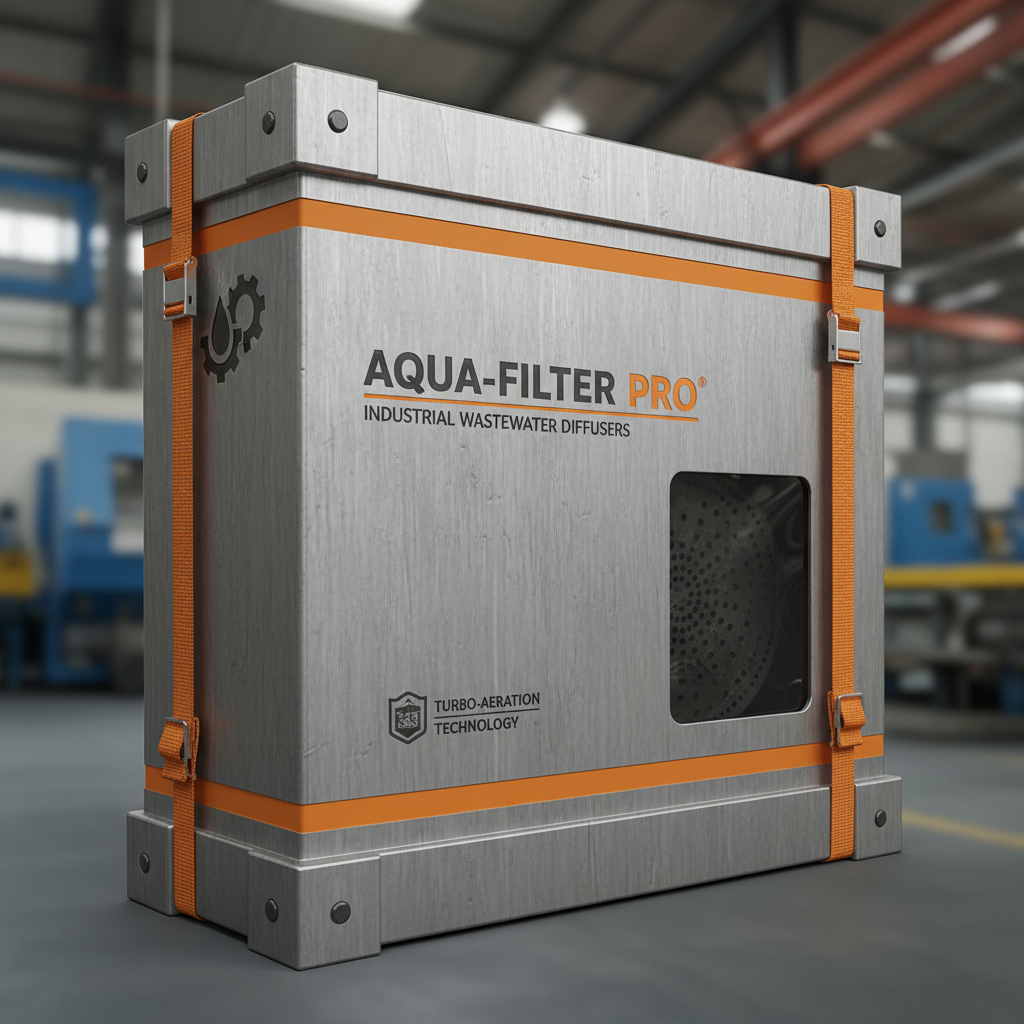
Effective wastewater treatment is crucial for environmental protection and regulatory compliance. A key component often overlooked is the waste water diffuser, responsible for distributing air within aeration tanks to support biological processes. This article explores the importance of these diffusers, the different types available, factors influencing their selection, and how China Porous Filters provides high-quality solutions for a wide range of applications. Choosing the right diffuser significantly impacts treatment efficiency, energy consumption, and operational costs. Waste water diffusers introduce air into wastewater, creating bubbles that increase the surface area for oxygen transfer. This oxygen is vital for microorganisms that break down organic pollutants. Without efficient aeration, the treatment process suffers, resulting in incomplete treatment and potential environmental issues. Diffusers come in various designs, each with its strengths and weaknesses. The correct diffuser selection depends on tank size, airflow requirements, wastewater characteristics, and desired oxygen transfer efficiency. Read more »
-
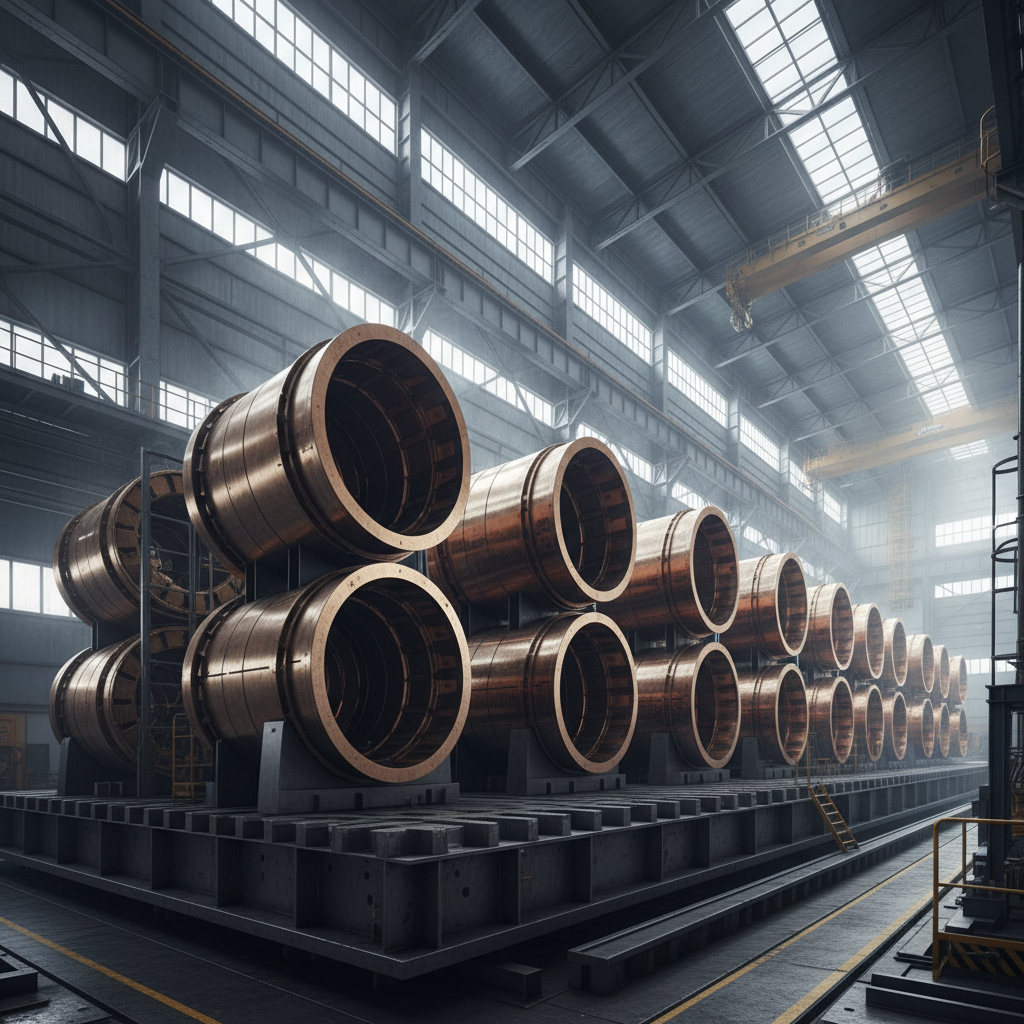
Sintered filters are porous materials created by bonding metal particles together through a heating process, known as sintering. This results in a robust and highly efficient filtration solution used across a multitude of industries. From aerospace to pharmaceuticals, their unique properties make them invaluable for separating solids from liquids or gases. This article will delve into the specifics of sintered filters, exploring their construction, advantages, applications, and why China Porous Filters is a leading provider. Investing in high-quality sintered filters can significantly improve process efficiency and product purity. The creation of sintered filters involves several key steps. First, finely powdered metal (typically stainless steel, titanium, or nickel alloys) is compacted into the desired shape. This “green body” is then heated to a high temperature, below the metal's melting point, in a controlled atmosphere. Read more »
-
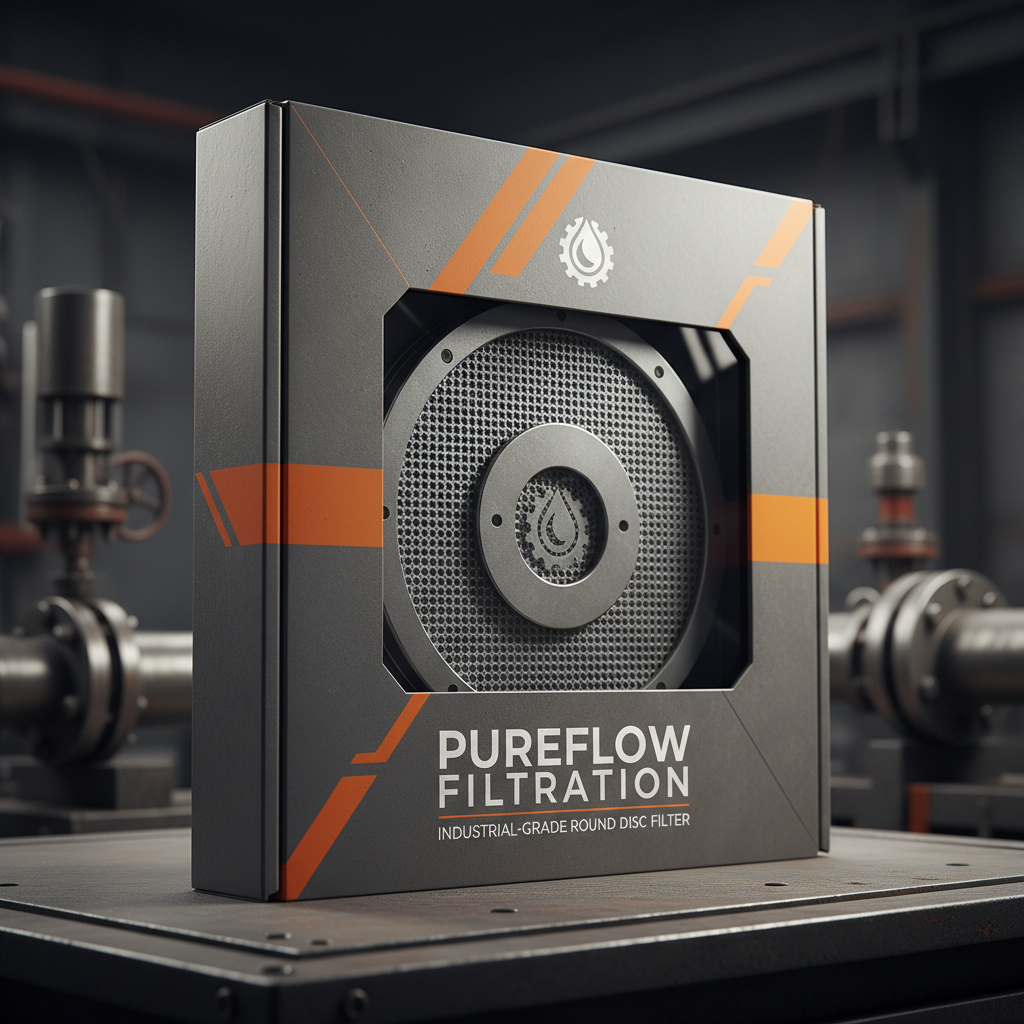
Stainless steel filter round discs are crucial components in a vast array of industrial applications, offering robust filtration solutions for liquids and gases. These discs, known for their durability, corrosion resistance, and precise filtration capabilities, are widely used in industries ranging from food and beverage processing to pharmaceuticals and chemical manufacturing. This article provides a comprehensive overview of stainless steel filter round discs, including their applications, types, benefits, and factors to consider when selecting the right disc for your specific needs. Choosing the right filtration solution is essential for optimal performance and product quality. Read more »
-
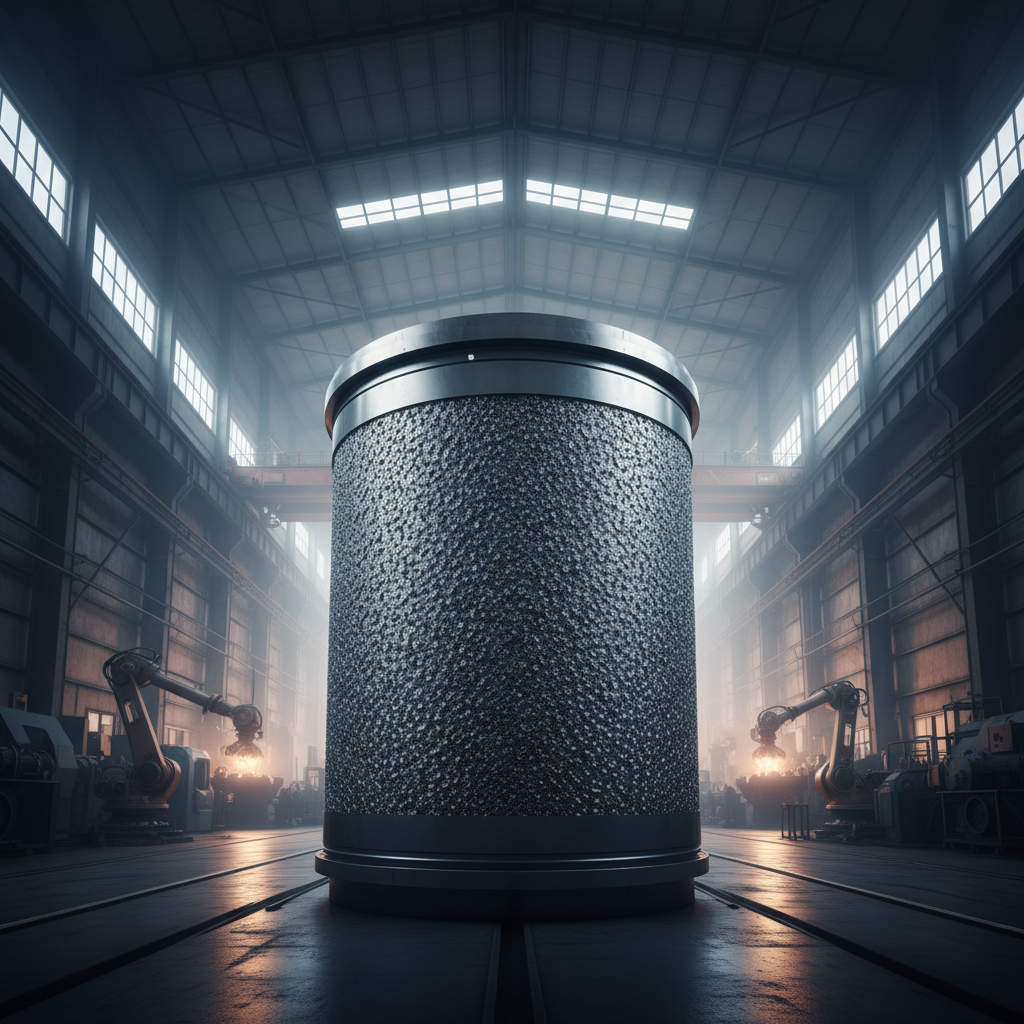
In numerous industrial processes, efficient gas distribution is critical for optimal performance. Sintered metal spargers provide a robust and reliable solution for introducing gases into liquids. These devices are designed to create small, uniform bubbles, maximizing gas-liquid contact and enhancing process efficiency. This article will explore the functionality, benefits, applications, and material options of sintered metal spargers, particularly focusing on those available from China Porous Filters. Choosing the right sparger is crucial for achieving desired results in aeration, reaction, and separation processes. Sintered metal spargers operate on the principle of forcing gas through a porous metal structure. Unlike simple perforated pipes, which create large bubbles with limited surface area, sintered metal spargers consist of interconnected pores of controlled size and distribution. This results in the formation of tiny, evenly dispersed bubbles. Read more »
-
Stainless steel filter tubes are critical components in a wide range of industries, from chemical processing to pharmaceuticals and food & beverage. Their durability, corrosion resistance, and ability to maintain purity make them ideal for demanding filtration applications. This article will delve into the benefits, types, applications, and key considerations when selecting stainless steel filter tubes, providing a comprehensive resource for engineers, purchasers, and industry professionals. Ensuring optimal filtration performance is essential for product quality and process efficiency. We’ll explore how choosing the right filter tube can make a significant difference. Stainless steel offers inherent advantages over other materials used in filtration. Primarily, its exceptional corrosion resistance ensures longevity, even when exposed to harsh chemicals and aggressive environments. This reduces the need for frequent replacements, lowering overall operational costs. Furthermore, stainless steel's smooth surface finish minimizes the risk of particle adhesion, promoting consistent flow rates and preventing contamination. Read more »
-
Spargers are crucial components in numerous industrial processes, particularly those involving gas-liquid contact. They are used to introduce gases into liquids, creating fine bubbles for enhanced mixing, mass transfer, and reaction rates. From bioreactors to wastewater treatment, understanding the principles behind spargers is essential for optimizing efficiency and product quality. This article delves into the world of spargers, covering their various types, applications, and how to choose the right one for your specific needs. A sparger is essentially a device that distributes a gas into a liquid. This is achieved by forcing the gas through small holes or porous materials, breaking it up into a large number of tiny bubbles. The creation of these small bubbles is critical because it significantly increases the surface area between the gas and liquid phases. Read more »
-
In the realm of industrial filtration, achieving efficient and reliable separation is paramount. Wedge wire laterals are a crucial component in many filtration systems, particularly those used in water well screens, chemical processing, and beverage industries. This article explores the design, benefits, applications, and key considerations when selecting wedge wire laterals. We will cover the technical aspects and why choosing the right laterals from a reputable manufacturer like China Porous Filters is vital for optimal performance. Wedge wire laterals, also known as Johnson screen laterals or V-wire laterals, are constructed from a series of profiled wires wrapped around a central core. These wires are welded together at the intersection points, creating a robust and precisely shaped opening. This construction offers a self-cleaning action, minimizing blockage and ensuring consistent flow rates. Read more »
-
Stainless steel spargers are essential components in a variety of industrial processes, particularly those involving gas distribution within liquids. They are used to introduce gases into liquids in a controlled and efficient manner, creating small bubbles and maximizing surface area for reaction or saturation. This article will delve into the design, applications, materials, benefits, and selection criteria for stainless steel spargers, providing a thorough overview for engineers, process operators, and procurement professionals. Understanding their function is crucial for optimizing processes in industries like brewing, wastewater treatment, and chemical processing. Read more »
-
In a wide range of industrial processes, efficient gas dispersion is critical. Whether it’s in bioreactors, fermentation tanks, or chemical reactors, achieving uniform gas distribution directly impacts process efficiency and product quality. Stainless steel tubular spargers are a popular and effective solution for this challenge. This article will delve into the design, benefits, applications, and key considerations when selecting a stainless steel tubular sparger for your specific needs. We'll explore how these spargers improve gas-liquid contact, enhance mixing, and contribute to optimized processes. A stainless steel tubular sparger is a device used to introduce gas into a liquid, creating small bubbles that increase the surface area for mass transfer. It consists of a series of stainless steel tubes with precisely drilled holes or slots along their length. The gas is fed into the tubes, and the holes or slots release the gas as bubbles into the liquid. The choice of stainless steel (typically 304 or 316L) offers excellent corrosion resistance and compatibility with a wide range of chemical environments. Read more »


