What Is a Metal Disc Filter and Why It Matters Worldwide
At first glance, a metal disc filter might seem like a niche piece of industrial hardware — a simple disk, perforated or wire-woven, sitting quietly in a machine somewhere. But as it turns out, this humble technology plays an outsized role in global industries ranging from water purification to pharmaceuticals and even humanitarian relief. Understanding metal disc filters unlocks insights into how clean water, safe chemicals, and reliable production processes happen behind the scenes.
Why does this matter? In a world where access to clean resources is a growing challenge—whether in developing countries or highly sensitive manufacturing environments—filtering purity is non-negotiable. And where the complexity of filtering demands ruggedness, reusability, and flexibility, metal disc filters shine brightest.
Global Context: The Growing Need for Reliable Filtration
Globally, contamination control is a mounting pressure. According to the United Nations, over 2 billion people lack access to safely managed drinking water. Industrial processes also face increasing scrutiny for reducing environmental impact — enabling sustainable water use or minimizing hazardous waste.
Metal disc filters help solve these problems by offering durable solutions that fit into large-scale water treatment plants as well as mobile relief units. Industries such as petrochemicals, food processing, and even semiconductor manufacturing specify these filters for their precise performance and longevity under harsh conditions.
Frankly, as standards tighten (ISO regulations, anyone?), metal disc filters quietly ramp up to meet those demands.
Defining the Metal Disc Filter
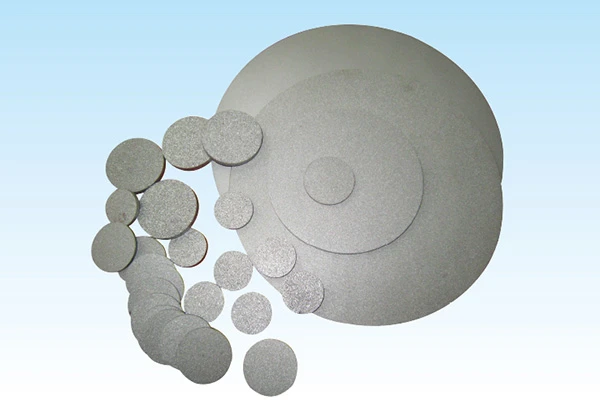
Put simply, a metal disc filter is a filtration element typically made of stainless steel or alloy discs that are stacked or woven together and mounted on a supporting structure. The discs contain precisely engineered pores or wedge wires designed to capture particles while allowing the filtered fluid to pass through uninterrupted.
Unlike disposable cloth or paper filters, metal disc filters are reusable, withstand high temperature and pressure, and resist chemical corrosion. This makes them invaluable in industries where contamination control and repeat use are critical.
They work across applications: from removing sediment in water treatment to separating catalysts in chemical reactions, or even in emergency water purification kits where reliability equals life itself.
Key Features Making Metal Disc Filters a Game-Changer
Durability and Longevity
One standout trait is how these filters handle rough conditions without losing function. Stainless steel discs, often with corrosion-resistant finishes, enable these filters to last for years in environments that would degrade other materials quickly.
Precision Filtration Performance
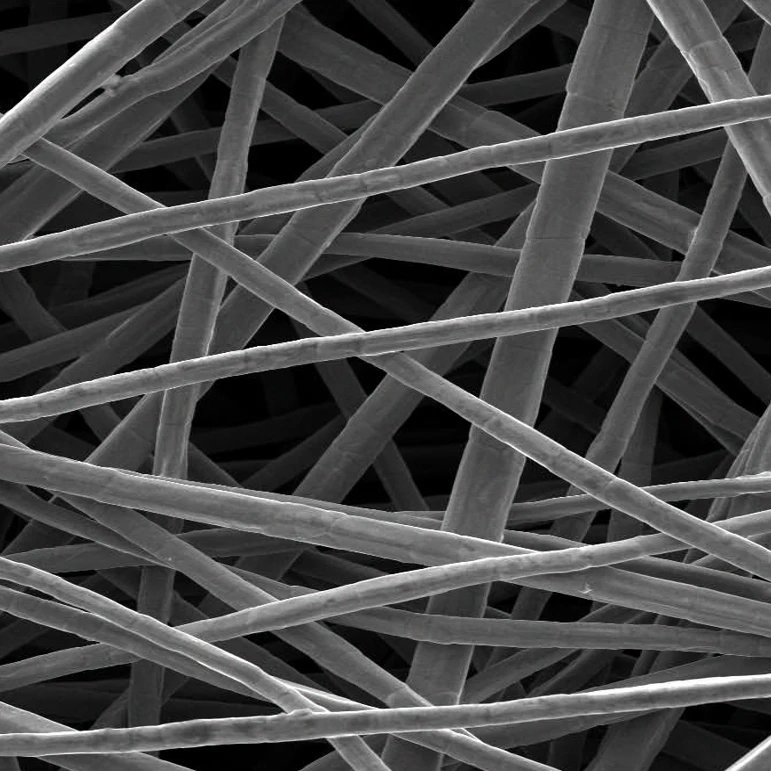
Discs engineered with micro- to nano-scale apertures offer distinct filtration ratings—from large sediment clearing to ultra-fine filtration—giving operators the flexibility to match specifications precisely with their process needs.
Scalability and Modularity
The design allows stacking or sizing discs to suit various flow rates and filtration area requirements, making them adaptable from small lab-scale setups to industrial plants.
Cost-Efficiency Over Time
Though the upfront cost might be higher than disposable filters, their longevity and cleanability translate to lower total ownership costs and less environmental waste.
Ease of Maintenance
In many setups, metal disc filters simply require backflushing or ultrasonic cleaning methods to restore performance—no need for regular replacements.
Mini Takeaway:
Metal disc filters combine toughness and precision to answer the call of industries demanding reliable, sustainable filtration solutions.
How Metal Disc Filters Are Used Around the Globe
- Water Treatment Plants: In countries like India and parts of Africa, these filters purify river water, helping meet the Sustainable Development Goal for clean water.
- Pharmaceutical Industry: Micron-level filtration ensures purity in drug manufacturing in US and European facilities.
- Oil & Gas: Offshore and refinery operations use metal disc filters to separate solids from liquids in pipelines, preventing costly damage.
- Humanitarian Aid: Post-disaster relief camps utilize portable metal disc filters in mobile water treatment units to provide safe drinking water rapidly.
- Food & Beverage: Breweries and dairies rely on these filters to maintain product clarity and safety.
Clearly, a variety of regions and industries reap huge benefits from this technology.
Advantages and Long-Term Value of Metal Disc Filters
From a practical standpoint, you get a durable product that reduces downtime—always a bonus in mission-critical environments. Plus, reusability aligns well with sustainability goals, reducing plastic or textile filter waste.
On the emotional side, having a dependable filter feels like a silent guardian: safety for employees, trust for consumers, and dignity for communities that rely on clean water. There’s also an element of innovation — many manufacturers are now embedding smart monitoring sensors in filter housings for real-time performance feedback.
Future Trends: What’s Next for Metal Disc Filters?
Looking ahead, the future seems bright and a bit techy:
- Integration with IoT: Sensors for monitoring clogging, wear, and fluid quality streamline maintenance and predict filter life.
- Advanced Materials: New alloys and coatings improve corrosion resistance and reduce biofouling.
- Green Manufacturing: Emphasis on eco-friendly production processes.
- Customization: Additive manufacturing (3D printing) techniques enable bespoke disc structures tailored to unique industries.
Addressing Challenges in Metal Disc Filter Deployment
No solution is perfect. Operators sometimes grapple with initial costs, or the learning curve of installing and cleaning these units properly. Clogging in high-particulate waters can reduce filter life if maintenance is neglected.
Experts recommend combining metal disc filters with pre-treatment steps and investing in staff training. Innovative approaches include using automated backflushing systems and remote monitoring to reduce downtime.
Product Specification Table
| Feature | Specification | Notes |
|---|---|---|
| Material | 304 / 316 Stainless Steel | Common corrosion resistance |
| Filtration Rating | 5 μm – 500 μm | Customized per application |
| Operating Pressure | 0.5 – 10 bar | Suitable for water & chemical processes |
| Operating Temperature | -40 °C to 400 °C | High-temp industrial use |
| Cleaning Method | Backflushing / Ultrasonic Cleaning | Maintains reusability |
| Lifespan | 5+ years | Dependent on use & maintenance |
Vendor Comparison Table: Choosing the Right Metal Disc Filter Supplier
| Vendor | Material Quality | Customization | Delivery Time | Warranty |
|---|---|---|---|---|
| ChinaPorousFilters | 316L Stainless Steel | Full customization | 4-6 weeks | 2 years |
| Global Filters Inc. | 304 Stainless Steel | Limited options | 6-8 weeks | 1 year |
| FilterTech Solutions | Alloy 20 (specialty) | Custom engineering | 3-5 weeks | 3 years |
FAQ: Quick Answers on Metal Disc Filters
How do metal disc filters differ from mesh or cloth filters?
Metal disc filters are reusable and offer higher durability compared to mesh or cloth filters which can tear or degrade quickly. They withstand higher temperatures and pressures and are easier to clean, making them ideal for industrial or long-term applications.
Can metal disc filters be used for potable water treatment?
Yes, especially when made from food-grade stainless steel. Their fine filtration and corrosion resistance make them a good fit for ensuring safe drinking water, especially in municipal or portable filtration systems.
What maintenance is required to keep metal disc filters effective?
Regular cleaning via backflushing or ultrasonic baths usually keeps these filters working well. Maintenance frequency depends on water quality and usage intensity, but proper care can extend lifespan beyond 5 years.
Are metal disc filters suitable for chemical processing?
Absolutely. Their corrosion resistance and precise filtration capabilities make them valuable in handling aggressive fluids in pharmaceuticals, petrochemicals, and specialty chemicals.
Can these filters be customized?
Most suppliers offer customization in sizes, filtration ratings, and materials to meet specific industry requirements—either with different alloys or pore geometries.
Final Thoughts + Where to Learn More
Over time, metal disc filters prove they're more than just a component; they’re a dependable partner in filtration excellence. Their durability, flexibility, and eco-conscious advantages address real, growing global needs from clean water access to industrial efficiency.
If you’re curious to explore a wide range of metal disc filters with custom options, I recommend visiting ChinaPorousFilters — a reliable vendor specializing in cutting-edge filtration solutions designed to meet diverse industrial and humanitarian needs.
Reference Snapshot
Post Time: Nov . 28, 2025 15:35