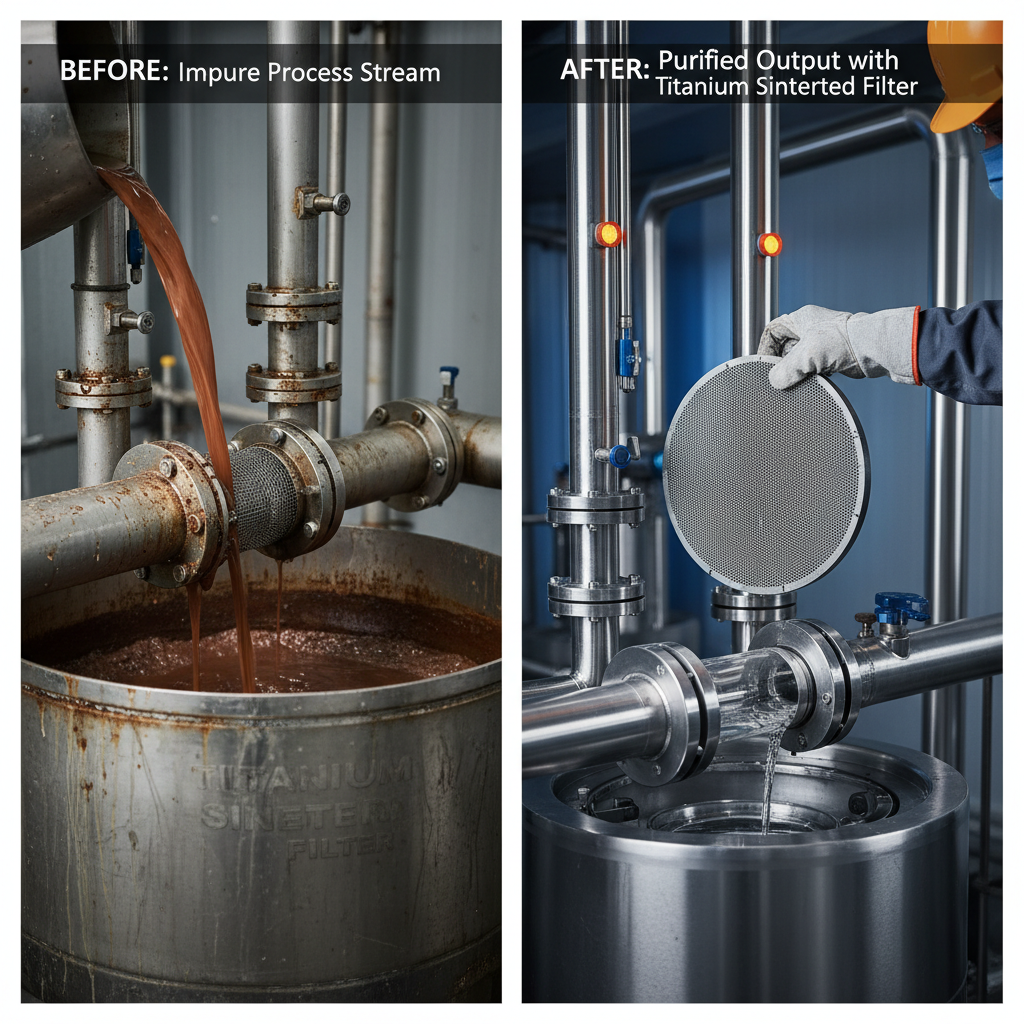
A suction filter supplier provides critical filtration components designed to protect pumps and compressors from debris and contaminants entering the suction line. These specialized systems ensure that fluid or air moving into a machine is purified, preventing internal abrasion, clogging, and catastrophic mechanical failure in high-pressure environments.
In the broader context of environmental protection and specialized equipment manufacturing, the quality of suction filtration directly impacts operational uptime and energy efficiency. Many industrial facilities struggle with frequent filter breakthroughs or excessive pressure drops, leading to increased maintenance costs and unexpected system downtime.
This article examines the technical specifications, selection criteria, and application scenarios of professional suction filtration solutions. By understanding the relationship between material science and fluid dynamics, procurement teams can better identify a supplier capable of delivering high-performance porous materials tailored to their specific industrial needs.

1The Role of Suction Filtration in Industrial Systems

Suction filtration serves as the first line of defense for fluid transport machinery. When a pump draws liquid from a reservoir, any suspended particles or debris can cause immediate damage to the impeller or seals. A professional suction filter supplier ensures that the mesh size and material are optimized to capture these particles without causing excessive cavitation.
The integration of these filters is essential in sectors like environmental protection and chemical processing, where fluids may contain abrasive slurry or corrosive agents. Ensuring a steady, clean flow of media allows for more predictable system behavior and reduces the frequency of emergency repairs.
Effective suction filtration is not merely about blocking particles but about managing the pressure differential. A well-engineered system balances the need for high purity with the requirement for low flow resistance, ensuring the pump operates within its designed efficiency curve.
2Key Technical Attributes of High-Performance Filters
The efficacy of a suction filter depends heavily on the material's porosity and mechanical strength. Advanced solutions often utilize sintered metal fibers or porous plastics to achieve a precise micron rating. These materials provide a depth filtration effect, allowing the filter to hold more contaminants before requiring a cleaning cycle compared to simple screen filters.
Corrosion resistance is another critical factor. Depending on the media—be it acidic chemicals, saltwater, or high-temperature oils—suppliers may recommend titanium, nickel, or specialized plastic sintered porous filters. The goal is to prevent the filter media from degrading, which could introduce new contaminants into the system.
Thermal stability also plays a role, especially in heating elements or high-temperature industrial loops. Materials that maintain their structural integrity under thermal stress ensure that the pore size remains constant, maintaining consistent filtration efficiency regardless of temperature fluctuations.
3Common Application Scenarios and Use Cases
In the medical and laboratory sectors, suction filters are used to protect vacuum pumps during the aspiration of biological fluids. These filters must be sterile and capable of handling varied viscosities while ensuring that no hazardous aerosols escape into the environment. Precision and reliability are paramount in these sensitive applications.
Within the energy sector, suction filters are employed in lubricant systems for large turbines. Even microscopic metallic shards can cause catastrophic failure in high-speed bearings. Here, a combination of metal sintered porous filters and metal fiber products is often used to achieve multi-stage purification.
Furthermore, the automotive industry uses similar filtration logic in fuel and oil suction lines. The move toward ultra-fine metal fibers allows for smaller filter footprints without sacrificing the flow rate, contributing to the overall compact design of modern engines.
4Evaluating Performance Metrics and Efficiency
To assess a suction filter, engineers look at the Beta Ratio, which indicates the efficiency of the filter at a specific particle size. A higher Beta Ratio means fewer particles are passing through the media. However, this efficiency must be weighed against the pressure drop (Delta P), as excessive resistance can starve the pump.
The relationship between flow velocity and particle capture is non-linear. As the filter loads with debris, the pressure drop increases. Monitoring this change is essential for implementing a predictive maintenance schedule, rather than relying on a fixed time interval which may be too late or too early.
suction filter supplier Performance Metrics
By comparing standard industry averages with high-end sintered solutions, it becomes evident that advanced porous materials offer a superior balance of flow and purity. This enables systems to operate at higher capacities with lower risks of particulate-induced wear.
5Strategic Procurement and Supplier Selection
Choosing the right suction filter supplier requires a deep dive into the supplier's manufacturing capabilities. A supplier that offers an integrated approach—combining metal fibers, sintered porous filters, and customized medical solutions—is typically better equipped to handle complex technical requirements.
Compatibility is a frequent point of failure. Procurement teams must ensure that the filter housing, seals, and media are all chemically compatible with the process fluid. A mismatch can lead to leaks or the chemical dissolution of the filter media, contaminating the entire downstream system.
Total cost of ownership (TCO) should be the primary metric for decision-making. While a high-quality sintered filter may have a higher initial cost, its extended service life and reduced downtime often make it more economical than cheaper, disposable alternatives.
6Innovations in Porous Material Technology
The industry is shifting toward "intelligent" filtration materials that can adapt to flow conditions. Recent developments in metal fiber technology allow for the creation of gradients in porosity, where the outer layer captures larger particles and the inner layer captures fines, maximizing the available surface area.
Additionally, the use of exotic materials like Titanium and Zirconium is increasing for extreme environments. These materials offer unparalleled corrosion resistance in highly oxidative or acidic atmospheres, ensuring that filtration remains consistent even in the harshest chemical reactors.
Sustainability is also driving innovation. The move from disposable plastic filters to washable and reusable sintered metal filters significantly reduces industrial waste, aligning corporate operations with global environmental standards.
7Comparing Filtration Material Options
Selecting between different filter media requires a trade-off analysis between cost, efficiency, and durability. While plastic sintered filters are cost-effective for low-temperature, non-corrosive fluids, metal fiber solutions are necessary for high-pressure and high-temperature applications.
The following table summarizes the typical performance characteristics of the most common materials provided by a professional suction filter supplier, aiding in the selection process based on specific operational constraints.
| Material Type | Best Use Case | Main Strength | Primary Limitation |
|---|---|---|---|
| Metal Sintered | High Pressure / Temp | Extreme Durability | Higher Initial Cost |
| Plastic Sintered | Chemical Processing | Corrosion Resistance | Thermal Limits |
| Metal Fiber | Ultra-fine Purity | High Flow Efficiency | Fragility if Mismanaged |
| Titanium / Nickel | Extreme Acids/Bases | Maximum Inertness | Very High Cost |
| Laboratory Grade | Medical Aspiration | Sterile Compatibility | Lower Flow Volume |
| Standard Mesh | Coarse Debris | Low Cost | Low Particle Capture |
Ultimately, the decision should be based on the specific contaminants present in the suction line and the tolerable pressure drop of the pump system. Consultation with a technical expert is recommended to ensure the material matches the fluid chemistry.
Frequently Asked Questions
Conclusion
Selecting a high-quality suction filter supplier is a strategic decision that directly affects the reliability and efficiency of industrial fluid systems. By prioritizing advanced materials like sintered metal fibers and focusing on the balance between filtration efficiency and flow resistance, enterprises can significantly reduce operational risks and maintenance costs.
For organizations seeking to optimize their filtration architecture or evaluate specific porous material solutions, detailed technical specifications can be reviewed at www.chinaporousfilters.com to ensure the selected system meets all operational and environmental requirements.