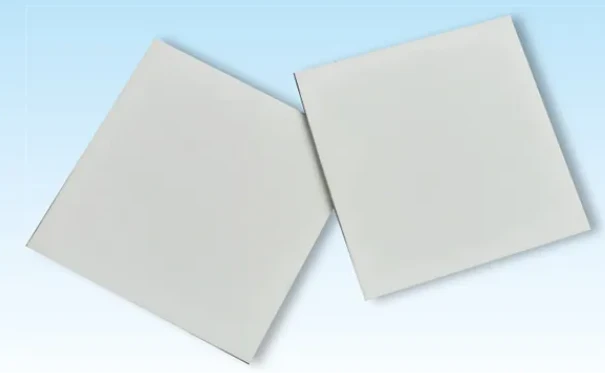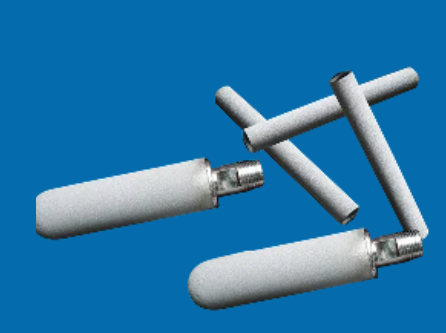
In the demanding world of industrial filtration, where performance under extreme conditions is non-negotiable, titanium powder sintered filters stand as a pinnacle of engineering. These components are revered for their exceptional combination of strength, corrosion resistance, and biocompatibility, making them indispensable in sectors ranging from pharmaceuticals and chemicals to aerospace and medical technology. But how are these remarkable titanium porous filters created? The journey from raw titanium powder to a precise, high-performance filter is a fascinating blend of material science and precision manufacturing. This article will explore the intricate titanium powder sintered filter manufacturing process, explaining each critical step that transforms fine metal powder into a robust, porous structure capable of withstanding some of the harshest environments on earth. At POROYAL, our expertise in powder sintering technology is at the core of our ability to produce superior sintered titanium cylinder filters and other custom forms, delivering reliable, high-value filtration solutions for our global clientele.
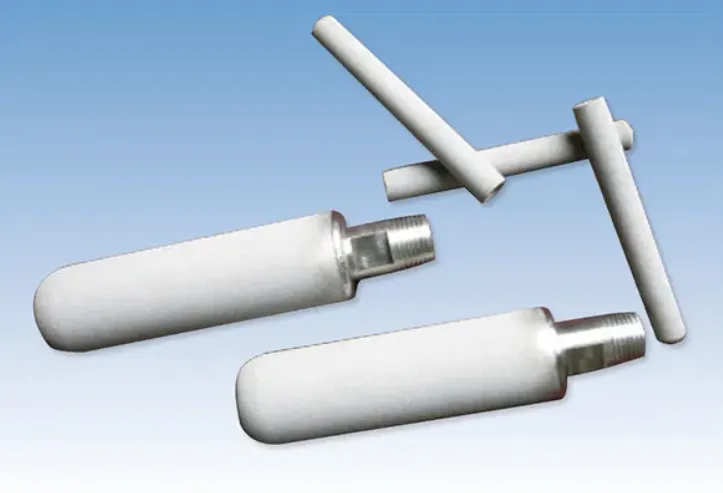
The Foundation: Material Selection for Titanium Powder Sintered Filters
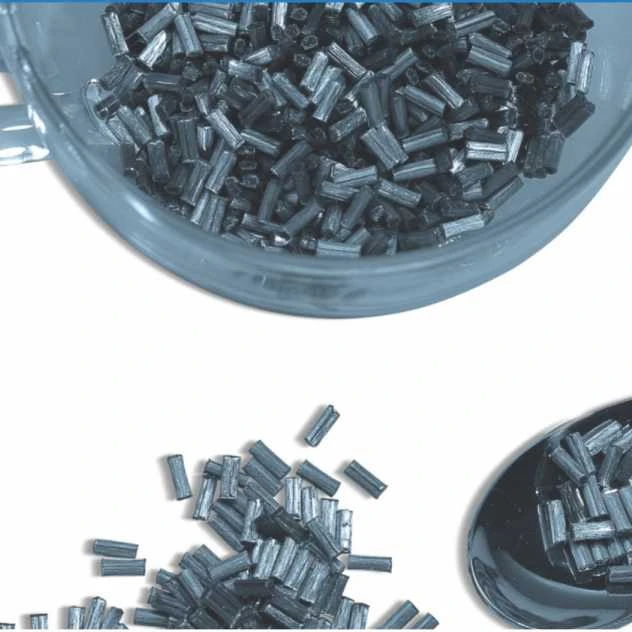
The manufacturing journey of a high-quality titanium powder sintered filter begins long before the sintering furnace is heated. It starts with the meticulous selection and preparation of the raw material: titanium powder. Not all titanium powders are created equal. For filtration applications, the powder must be of high purity, typically Grade 1 or Grade 2 commercially pure titanium, to ensure the final product's excellent corrosion resistance. The powder's morphology—its particle shape (spherical or irregular), size, and size distribution—is the primary dictator of the final filter's characteristics. This is a critical phase in creating titanium porous filters. A carefully controlled particle size distribution is essential for achieving a specific and consistent pore size within the sintered body. At POROYAL, we utilize advanced powder classification techniques to segregate and blend powders, ensuring the precise raw material input needed to manufacture sintered titanium cylinder filters with predictable and repeatable performance metrics, such as pore size, porosity, and permeability.
The Core Process: Forming and Sintering Titanium Porous Filters
Once the optimal titanium powder blend is prepared, the forming process commences. The powder is loaded into a precision mold that defines the shape of the final product, whether it is a disc, plate, or the highly common sintered titanium cylinder filters. Uniform powder filling and appropriate compaction are crucial here to avoid density gradients that could lead to weak spots or inconsistent filtration performance in the finished Titanium Powder Sintered Filter. After forming, the "green" (unsintered) part undergoes the transformative sintering stage. This is the heart of the manufacturing process. The parts are placed in a high-temperature vacuum or inert atmosphere furnace (to prevent oxidation) and heated to a temperature typically between 800°C and 1300°C, which is below titanium's melting point. During this controlled thermal cycle, a remarkable transformation occurs: the individual titanium powder particles begin to bond at their points of contact through solid-state diffusion. They coalesce without melting, forming a monolithic, three-dimensional network of solid metal with a labyrinth of interconnected pores. This creates the defining structure of titanium porous filters. The sintering parameters—time, temperature, and atmosphere—are meticulously controlled to achieve the desired mechanical strength, pore structure, and dimensional stability.
Post-Processing and Quality Assurance for Sintered Titanium Cylinder Filters
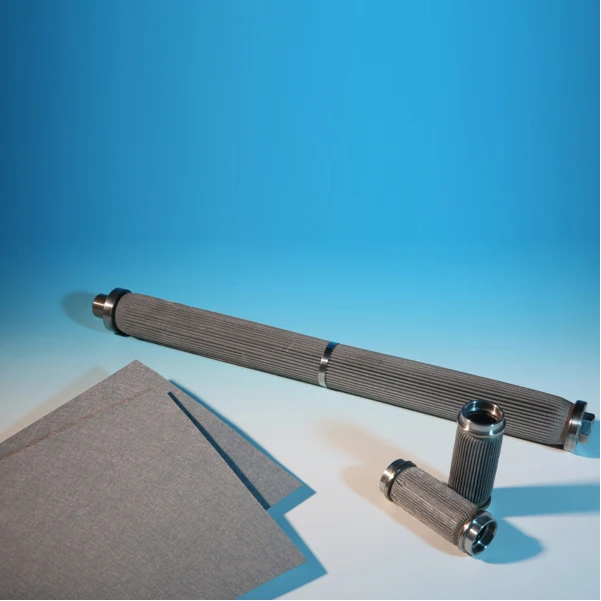
Following the sintering cycle, the parts are not yet ready for shipment. They undergo critical post-processing and rigorous quality assurance. The sintered components may require machining to achieve precise final dimensions and surface finishes, especially for complex assemblies or sintered titanium cylinder filters that must fit into specific housings. Non-destructive testing methods, such as bubble point tests to verify pore size integrity and pressure decay tests to check for defects, are employed. Every titanium powder sintered filter is subject to stringent inspections to ensure it meets all specified parameters for pore size distribution, porosity percentage, tensile strength, and cleanliness. This comprehensive quality control regimen guarantees that every Titanium Porous Filter leaving POROYAL's facility delivers the reliable, high-performance filtration our customers depend on for their most critical applications, from sterilizing-grade venting to aggressive chemical processing.
|
Aspect |
Details |
|
Material |
High-Purity Titanium Powder (Grade 1/2). Ensures exceptional corrosion resistance, biocompatibility, and high-temperature stability. |
|
Manufacturing Process |
Powder Metallurgy / Sintering. Creates a monolithic, porous structure with interconnected pores for depth filtration. |
|
Key Property |
Controlled Porosity & Pore Size. Directly determines filtration precision, flow rate, and particle retention capability. |
|
Typical Form |
Cylinders, Discs, Plates, Custom Shapes. sintered titanium cylinder filters are common for high - surface - area applications. |
|
Primary Advantage |
Superior Corrosion Resistance. Makes titanium porous filters ideal for harsh chemical, marine, and chloride - rich environments. |
|
Strength |
High Mechanical Strength & Durability. Allows titanium powder sintered filters to withstand high pressure and repeated cleaning cycles. |
|
Cleanability |
Excellent, via backflush, ultrasonics, or chemicals. Enables reuse and reduces long - term operational costs. |
|
Application Examples |
Pharma, Chemicals, Food & Beverage, Offshore, Medical. Highlights the versatility of sintered titanium cylinder filters across industries. |
About the Advantages of Titanium Powder Sintered Filters FAQs
To fully appreciate the value of this technology, it is important to address common inquiries about Titanium powder sintered filters and their benefits.
What are the key benefits of titanium porous filters?
Titanium porous filters offer an unparalleled combination of properties: exceptional corrosion resistance to chlorides, acids, and oxidizing media; high strength-to-weight ratio; excellent biocompatibility; and the ability to perform at elevated temperatures. Unlike polymeric filters, they can be repeatedly cleaned with aggressive chemicals or heat without degradation. Their monolithic sintered structure provides depth filtration, high dirt-holding capacity, and reliable long-term performance in harsh environments where other materials fail.
How are sintered titanium cylinder filters different from wired mesh?
Sintered titanium cylinder filters are fundamentally different from simple woven wire mesh. While mesh is a two-dimensional screen, sintering creates a three-dimensional, porous metal matrix. This gives sintered filters superior structural integrity, allowing them to withstand higher pressure differentials and mechanical shock. They also provide true depth filtration, trapping particles throughout their thickness rather than just on the surface, which results in higher efficiency and longer service life between cleaning cycles.
What applications are ideal for titanium powder sintered filters?
Titanium powder sintered filters are ideal for the most demanding applications. These include filtration in the chemical processing industry (handling acids and chlorides), pharmaceutical fermentation and sterile venting, food and beverage processing (like CO2 filtration in breweries), offshore oil and gas production (for seawater injection), and medical implants or devices requiring biocompatible materials. Their resistance to pitting and crevice corrosion makes them perfect for challenging environments.
Can titanium powder sintered filters be customized?
Absolutely. One of the greatest strengths of the powder sintering process is its adaptability. Titanium powder sintered filters can be customized in virtually every aspect: shape (cylinders, discs, cones, custom geometries), size, pore grade (from sub-micron to over 100 microns), porosity level, and mechanical strength. This allows engineers to specify a filter that is perfectly tailored to the flow rates, pressure drops, and filtration efficiency requirements of their specific system.
Why choose POROYAL for your titanium porous filters?
Choosing POROYAL means partnering with a specialist in sintered porous metal technology. Our dedicated division for Metal Sintered Porous Filters possesses deep expertise in titanium material science and advanced sintering processes. We provide more than just a product; we offer a collaborative engineering partnership to develop titanium porous filters and sintered titanium cylinder filters that are optimized for your application’s success, ensuring performance, durability, and value.
For engineers seeking a filtration solution that combines ultimate corrosion resistance with robust performance, titanium powder sintered filters from POROYAL represent the definitive choice. Contact our technical team today to discuss how our expertise in sintering can provide you with a custom Sintered Titanium Cylinder Filter solution that enhances your system's reliability and efficiency.
Post Time: Dec . 23, 2025 16:12