Understanding the sus316 Powder Sintered Metal Filter: Why It Matters Globally
If you’ve ever wondered how industries worldwide manage to finely filter liquids and gases with impressive precision, the sus316 powder sintered metal filter might just be your unsung hero. It’s not a household name, but this filter plays a pivotal role—from ensuring clean water in remote areas to maintaining high-grade processes in chemical and pharmaceutical plants. Globally, with sustainability and safety becoming huge priorities, such filters embody innovation and trustworthiness in one robust package.
Global Context: Why the sus316 Powder Sintered Metal Filter is More Relevant Than Ever
Look around — the global population, projected to hit nearly 8 billion by 2025 (UN data), demands technologies that keep industrial workflows safe, clean, and sustainable. Not to mention environmental regulations are tightening across Asia, Europe, and the Americas (ISO standards, anyone?). In these circumstances, the sus316 powder sintered metal filter stands out as a proven solution against hazardous particle intrusion, corrosion, and contamination. Not implementing such filters can lead to costly downtime, safety hazards, or worse.
Frankly, the challenge today is not just filtration—it’s combining durability with scalability and sustainability under growing industrial demands.
What Is a sus316 Powder Sintered Metal Filter Anyway?
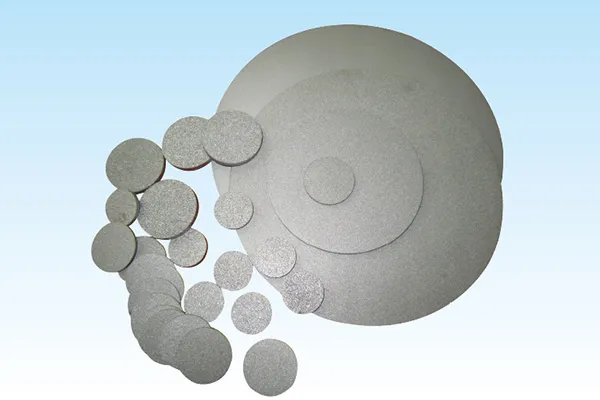
Let’s strip it down: "sus316" stands for a stainless steel grade renowned for its corrosion resistance, while "powder sintered metal filter" refers to a process where fine metal powders are pressed and heated just below melting to create a porous structure. Simply put, this filter is a tiny meshwork of stainless steel that traps unwanted particles while letting fluids or gases pass through efficiently.
In modern terms, these filters link high-tech manufacturing with humanitarian needs—for example, filtering contaminants in disaster-stricken areas where water safety is vital, or underpinning complex chemical processes with stringent purity demands.
Key Factors Behind sus316 Powder Sintered Metal Filters
Durability and Corrosion Resistance
The sus316 alloy is well-loved because it handles tough environments—think harsh chemicals, high humidity, or saline air near coasts. This means filters don't degrade quickly, saving costs on replacement and downtime.
Precision Filtration Capability
The sintering process creates very uniform pores, often down to single-digit microns. That lets plants reliably separate particles without losing fluid flow rate, tackling both industrial fine powders and liquid contaminants.
Thermal and Mechanical Stability
Interestingly, unlike polymer filters, these metal filters can resist high temperatures and pressure variations. Many manufacturers say this stability extends operational life drastically.
Cost Efficiency Over the Long Run
While initial costs might be slightly higher than plastic or fabric filters, the total cost of ownership is lower because of longevity and fewer maintenance shutdowns.
Environmental Sustainability
Being metal-based and reusable, these filters reduce waste versus disposable alternatives—everybody is stressed about waste these days, right?
Mini Takeaway
The sus316 powder sintered metal filter is kind of like the marathon runner of filters—built to last, precise, and ready for a tough, sustainable job.
Global Applications: A World of Uses
A lot of folks associate these filters with heavy industry—and rightly so. But they're popping up everywhere:
- Pharmaceutical and Chemical Manufacturing: Maintaining ultra-clean processes.
- Water Treatment Plants: Filtering sediments and bacteria in drinking water supplies.
- Oil & Gas Industry: Protecting delicate equipment from particles.
- Food & Beverage: Keeping products contaminant-free.
- Post-Disaster Relief Operations: Portable filtration units help provide clean water in remote zones.
In Southeast Asia’s remote industrial zones, where humidity and corrosive salts pose problems, the sus316 filter's corrosion resistance is a lifesaver. In Europe’s pharmaceutical hubs, consistency and purity demanded by regulators are upheld through these filters’ technical capabilities.
Product Specification Table
| Specification | Details |
|---|---|
| Material | SUS316 Stainless Steel Powder |
| Pore Size | 1 - 200 Microns (customizable) |
| Operating Temperature | -200°C to 600°C |
| Pressure Range | Up to 40 Bar |
| Corrosion Resistance | Excellent in acidic & saline environments |
| Lifecycle | 5+ years typical, depending on use |
Advantages & Long-Term Value
It feels like many engineers I’ve talked with appreciate the unique blend of reliability and sustainability here. Besides cost savings from extended usage, these filters offer peace of mind. After all, ensuring clean fluids and gases protects workers, communities, and the environment.
Socially, it supports dignity — especially in humanitarian contexts where access to clean water through filtered supplies can’t be overstated. Logically, the innovation behind sintering technology means manufacturers can push customizations, responding swiftly to changing industrial demands.
Future Trends and Innovations
The future’s looking pretty dynamic. Experts predict the integration of smart sensor technology within such filters, allowing real-time monitoring of clogging or membrane degradation. Meanwhile, new sintering materials could enhance filtration precision or thermal resistance even further.
There’s also a big conversation around sustainability: reuse and recyclability are front and center, as industries move toward greener policies globally. Automation in production also means more consistent quality—all promising a bright horizon for these filters.
Challenges & Solutions
Nothing’s perfect, right? One common hurdle is the initial cost barrier, which some smaller businesses or NGOs hesitate to cross. Another is the need for skilled installation and maintenance to maximize filter lifespan.
Nonetheless, offering training, leasing models, or modular systems helps overcome these issues. Plus, thorough testing against international standards ensures trusted performance, alleviating many worries.
Vendor Comparison: Choosing the Right Supplier
| Vendor | Customization | Price Range (per unit) | Lead Time | Certifications |
|---|---|---|---|---|
| China Porous Filters Co. | High (custom sizes & pore specs) | $50 - $150 | 2-4 weeks | ISO 9001 / CE |
| EuroSinter Filters Ltd. | Medium (standard & some custom) | €80 - €200 | 3-6 weeks | ISO 9001 |
| US Advanced Filters Inc. | Low (mostly standard products) | $100 - $250 | 1-3 weeks | ISO 13485 (medical use) |
FAQ: Practical Questions on sus316 Powder Sintered Metal Filters
Q1: How do sus316 powder sintered metal filters compare to polymer filters in harsh chemical environments?
A1: Thanks to the sus316 stainless steel alloy’s corrosion resistance, these filters outperform polymers in acidic or high-temperature settings. Polymer filters risk degradation, while sus316 filters maintain performance longer, reducing maintenance costs in industrial chemical processes.
Q2: Are these filters reusable, and how do you clean them?
A2: Yes, one big advantage is their reusability. Typically, cleaning involves backflushing with clean water or mild solvents. For heavy fouling, ultrasonic cleaning can restore functionality. This reuse reduces replacement frequency and waste.
Q3: What industries find sus316 powder sintered metal filters indispensable?
A3: Industries like pharmaceuticals, food and beverage, oil & gas, and water treatment rely heavily on these filters due to their precision, durability, and compliance with rigorous standards.
Q4: Can I order a custom-sized sus316 powder sintered metal filter for a unique application?
A4: Most reputable suppliers—including China Porous Filters Co.—offer customizable options in size, pore distribution, and pore size, helping you tailor solutions to your exact needs.
Q5: How does investing in quality sintered metal filters affect overall operational safety?
A5: Using reliable filters reduces contamination risks, equipment damage, and downtime. This translates into safer workplaces, compliance with regulations, and overall smoother operations.
Wrapping It Up: Why sus316 Powder Sintered Metal Filters Are Worth Your Attention
All told, sus316 powder sintered metal filters combine longevity, precision, and sustainability in a way that’s rare and highly valuable for multiple industries. Whether tackling environmental regulations, protecting worker safety, or supporting humanitarian efforts, these filters quietly but effectively play a big role.
If you want to explore solutions that last and perform, visit our website and see how modern filtration can upgrade your operations and impact.
References
Post Time: Nov . 29, 2025 21:55