Sintered Porous Metal Filter Pipe: A Durable Choice for Industrial Filtration
Having spent over a decade in the industrial equipment sector, I can say sintered porous metal filter pipes stand out in a crowded field of filtration options. If you’re curious about what makes these components tick—or simply wondering if they’re worth your attention—I hope this piece can shed some light. Frankly, they’re a bit like the unsung heroes of many critical processes, quietly delivering reliability where nothing else quite matches.
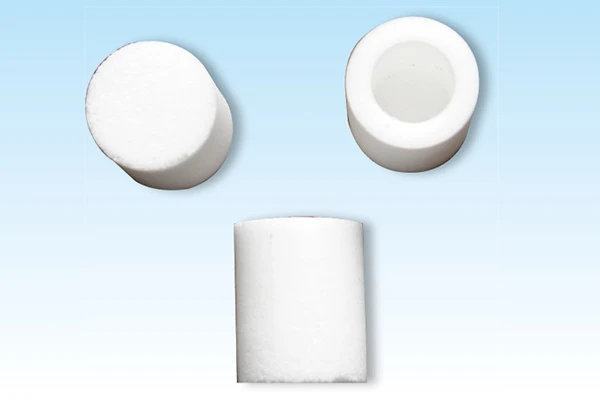
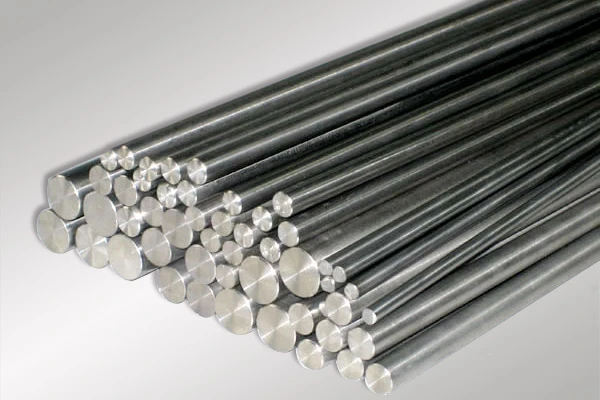
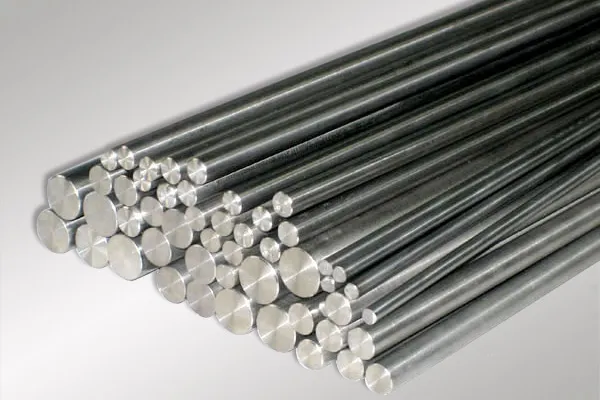
First off, what exactly is a sintered porous metal filter pipe? In short, it's a pipe made from metal powders that have been pressed and sintered (a fancy word for heated just below melting point) to form a solid, permeable structure. This gives it a unique combination of strength, porosity, and corrosion resistance—plus it can handle extreme temperatures without warping or breaking down. That kind of ruggedness is what keeps it in favor for harsh environments like chemical plants, power stations, and pollution control systems.
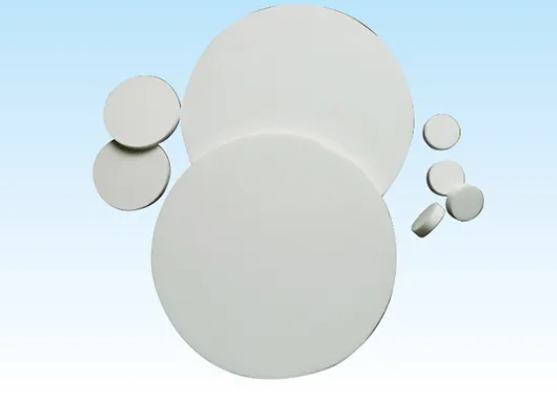
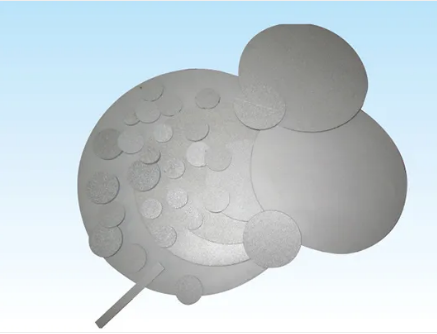
Oddly enough, what sticks with me is how customizable these pipes are. Back when I was on the floor with suppliers, I noticed engineers often requested different pore sizes depending on the filtration requirement — from coarse grit filtering in a crude oil processing line to superfine particulate removal in pharmaceutical lines. The sintering process allows fine-tuning of pore distributions which means you can balance flow rates and capture efficiency quite precisely.
| Specification | Value / Range |
|---|---|
| Material | Stainless Steel (304, 316), Bronze, Inconel |
| Pore Size | 1 - 200 microns (customizable) |
| Operating Temp. | -200°C to 800°C |
| Pressure Rating | Up to 20 bar (varies with design) |
| Dimensions | Custom diameters and lengths available |
| Surface Finish | Sintered porous metal matte texture |
Many engineers I've spoken with praise the longevity of these porous metal pipes. Unlike polymer filters that can degrade or clog quickly, sintered metal filters are relatively easy to clean and regenerate—think backflushing or ultrasonic cleaning—so maintenance costs drop noticeably. One anecdote: a refinery I know switched to these pipes for their gas scrubber systems and noted that their downtime shrank by nearly 30% over a year. That kind of impact can't be overstated in industries where uptime is money.
When comparing suppliers, I’ve always advised clients to look beyond just price, and instead consider materials expertise, manufacturing precision, and quality assurance standards. This is where vendor experience really differentiates.
| Criteria | Vendor A | Vendor B | Vendor C |
|---|---|---|---|
| Material Options | Stainless Steel, Bronze | Stainless Steel Only | Stainless Steel, Inconel |
| Customization (Pore Size) | 1–150 microns | 5–100 microns | 1–200 microns |
| Certifications | ISO 9001, CE | ISO 9001 | ISO 9001, ASTM Compliant |
| Lead Time | 2–4 weeks | 3–6 weeks | 3–5 weeks |
| Typical Applications | Chemical, Petrochemical, Power | Water, Food Processing | Aerospace, Pharmaceuticals |
Now, I suppose one of the biggest reasons for the popularity of sintered porous metal filter pipes is their versatility. They aren’t necessarily the go-to for just one industry. Whether it’s gas filtration in factories or air purification in environmental control, they adapt. The corrosion resistance, combined with mechanical strength, makes them ideal when failure simply isn’t an option.
In real terms, I’ve noticed these pipes also help engineers meet increasingly strict emissions standards without constant filter replacements. It feels like those small performance gains add up to big savings and less waste over time.
So, if you find yourself specifying filters for industrial processes, I’d suggest considering sintered porous metal filter pipe seriously. They carry that kind of quiet confidence you want when uptime and durability matter most.
References:
- Industrial Filtration Handbook, 5th Ed., Sigma Technologies, 2023.
- “Advances in Porous Metal Filters,” Journal of Manufacturing, Vol 47, 2022.
- Field notes from 15+ years working with filtration suppliers and end users.
Post Time: Dec . 09, 2025 04:55