Understanding the Sintered Filter Cartridge: A Quiet Revolution in Filtration
At first glance, a sintered filter cartridge might sound like niche technical jargon, but this humble component quietly powers many industrial, commercial, and even humanitarian processes that impact our daily lives—often without us ever noticing. Why does it matter? Well, in a world increasingly dependent on clean air and water, reliable filtration is no longer optional. Knowing what a sintered filter cartridge is, how it works, and where it fits in the global puzzle can save costs, protect health, and even aid disaster relief efforts. Let’s dive into this fascinating technology.
Setting the Global Stage: Why Filtration Technology Matters Now More Than Ever
Globally, clean water access remains one of humanity’s greatest challenges. According to the United Nations, over 2 billion people lack safely managed drinking water services (UN-Water, 2023). Industrial sectors, from pharmaceuticals to microelectronics, depend heavily on precision filtration, with stringent ISO standards (ISO 29463) outlining requirements. Here’s where the sintered filter cartridge steps in—offering high-performance filtration solutions that meet growing demand in a variety of harsh environments.
Oddly enough, despite the push toward renewable energy and digital tech, the very basics like clean water and air require robust, often overlooked components. The sintered filter cartridge is one such unsung hero addressing industrial contamination, humanitarian water purifiers, and even medical device sterilization.
What Is a Sintered Filter Cartridge?
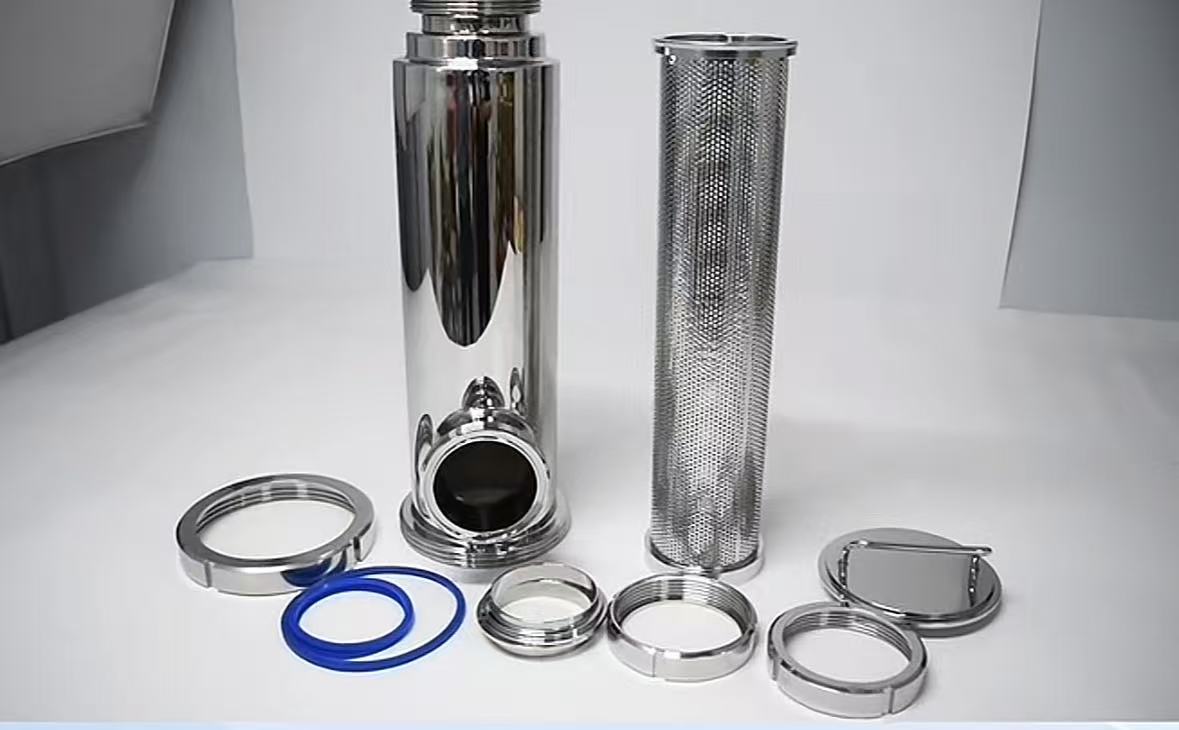
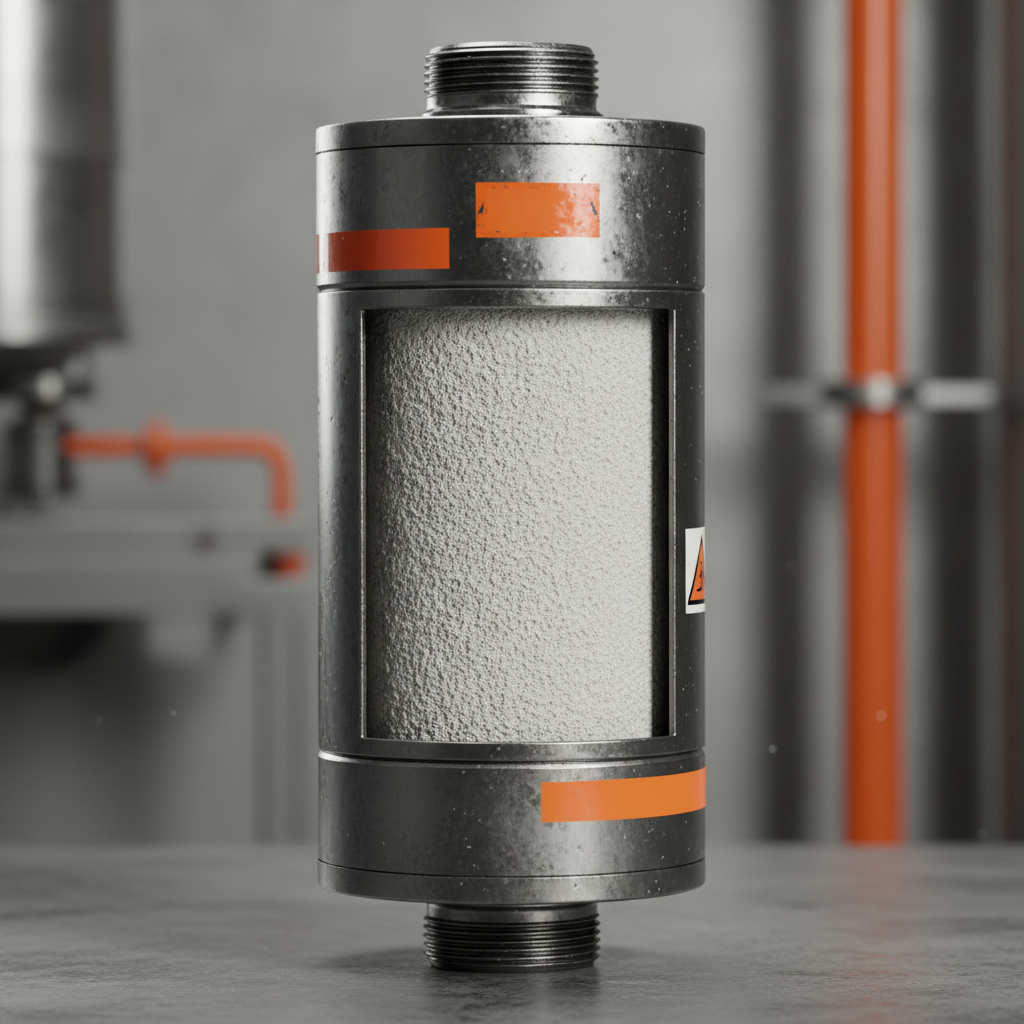
In simple terms, a sintered filter cartridge is a porous filtration element made by fusing metal or polymer powders under high heat (but below melting points). This sintering process creates a rigid, self-supporting filter medium with interconnected pores that trap particles efficiently without sacrificing flow rate. Compared to traditional woven filters or meshes, sintered cartridges boast better structural integrity and durability.
Modern industry loves them for their customizable pore sizes, chemical resistance, and ability to handle high temperatures or pressures. Humanitarian fields, especially water purification in disaster zones or remote communities, benefit from safe, re-usable, and low-maintenance filtration solutions that these cartridges provide.
Core Components That Define a Sintered Filter Cartridge
1. Durability and Heat Resistance
The sintering process bonds metallic or polymer particles into a solid network that withstands physically demanding environments. Whether filtering molten metals or steam, these cartridges don’t collapse or deform easily — a big advantage in demanding industries.
2. Pore Size Versatility
Manufacturers can tailor pore sizes from submicron scale up to hundreds of microns. This allows filtration of everything from bacteria and fine dust to larger sediments depending on the application. It’s like having a filter tailored exactly to your needs.
3. Chemical and Corrosion Resistance
Materials like stainless steel, bronze, or specialized polymers resist acids, solvents, and other aggressive chemicals, extending service life compared to disposable filters.
4. Flow Rate and Pressure Tolerance
The porous network balances filtration efficiency with minimal pressure drop, ensuring high throughput even in complex fluid systems.
5. Cleanability and Reusability
Unlike many fiber filters, sintered cartridges can often be cleaned by back-flushing or ultrasonic baths, reducing waste and overall cost.
Mini takeaway:
These core aspects explain why sintered filter cartridges are favored for heavy-duty and specialty filtration needs — where reliability and precision are non-negotiable.
Real-World Applications: Where Sintered Filter Cartridges Shine
- Industrial Filtration: Semiconductor plants in Taiwan and South Korea rely heavily on these cartridges for ultra-pure water and chemical process fluids.
- Environmental & Water Treatment: Non-profits operating in Sub-Saharan Africa use them in water kiosks to provide safe drinking water in rural villages.
- Pharmaceutical Manufacturing: European GMP-certified facilities depend on sintered cartridges for sterile filtration and particle removal.
- Oil and Gas: Offshore rigs in the North Sea employ metal sintered filters to handle abrasive drilling fluids under high pressure.
- Food and Beverage: Breweries in the US incorporate these filters to clarify products without altering taste.
In disaster relief scenarios—like after hurricanes—portable water treatment units fitted with sintered filter cartridges are often the first stop for clean water provision. It’s technically simple but operationally critical.
Advantages and Long-Term Impact
Choosing sintered filter cartridges is not merely a procurement decision—it embodies sustainability, cost savings, and safety.
- Cost Efficiency: With extended service life and cleanability, they cost less over time despite higher upfront investment.
- Environmental Sustainability: Reusability means less filter waste clogging landfills—an eco-friendly choice in line with ISO 14001 environmental standards.
- Safety and Reliability: Particularly in medical or food contexts, consistent filtration can be life-saving.
- Social Impact: Deploying reliable filtration in underserved areas improves health outcomes and dignity.
It feels like investing in something tangible yet futuristic — a solution that balances technical needs with human welfare.
Looking Ahead: Innovations on the Horizon
The filtration world is not stagnant. Recent advances include:
- Nanotechnology Integration: Embedding nano-coatings to reduce biofouling and enhance lifespan.
- Smart Filters: Sensors that monitor clogging or contaminant levels in real time, feeding data to predictive maintenance systems.
- Eco-materials: Experimentation with bio-based polymers aims to reduce carbon footprint even further.
- Automation: Automated cleaning cycles controlled digitally optimize performance while reducing manual labor.
Institutions like the ISO TC 142 Filtration Committee continue updating standards to reflect these advances, pushing manufacturers and users toward smarter practices.
Common Challenges and How They’re Being Tackled
Despite their virtues, sintered filter cartridges face a few bumps:
- Initial Cost Barrier: Some industries hesitate at upfront pricing. Solution? Lifecycle cost analysis often reveals real savings.
- Fouling & Clogging: Organic material buildup is tricky, but advanced cleaning techniques and coatings help a lot.
- Material Limitations: Standard stainless steel may not suit all chemicals, prompting use of specialty alloys—at a premium.
The key is the collaborative development between manufacturers, users, and research bodies like NACE International, sharing insights to refine materials and design.
FAQ: Frequently Asked Questions About Sintered Filter Cartridges
- What industries benefit most from sintered filter cartridges?
- They are invaluable across many sectors, including pharmaceuticals, food & beverage, oil & gas, water treatment, and microelectronics, thanks to their durability and precision.
- Can sintered filter cartridges handle high-temperature fluids?
- Yes, depending on the material—metal sintered cartridges tolerate high temperatures well, making them suitable for steam or hot chemical filtration.
- Are these filters reusable?
- Most sintered filter cartridges can be cleaned and reused multiple times, reducing waste and cost compared to disposable filters.
- How do I select the right pore size?
- Choosing a pore size depends on your contaminant size and flow rate needs. Manufacturers usually help specify the optimal size based on your process.
- Where can I purchase high-quality sintered filter cartridges?
- Look for specialized suppliers like sintered filter cartridge manufacturers that offer customization and certifications matching your industry standards.
Quick Product Specification Table
| Specification | Details |
|---|---|
| Material | Stainless Steel 316L / Bronze / Polymer blends |
| Pore Size | 0.5 to 300 microns (custom) |
| Maximum Temperature | 550°C (metal types) |
| Pressure Rating | Up to 100 bar |
| Cleaning Methods | Back-flush, Ultrasonic, Chemical soak |
| Typical Life | 3-5 years (depends on usage) |
Vendor Comparison Table: Major Sintered Filter Cartridge Manufacturers
| Vendor | Material Options | Customization | Delivery Time | Certification | Price Range |
|---|---|---|---|---|---|
| China Porous Filters | SS 316L, Bronze, Polymers | Full Custom | 4-6 weeks | ISO, CE | $$ |
| Western Filters Inc. | SS 304, 316 | Limited | 6-8 weeks | ISO | $$$ |
| EuroFilter GmbH | SS, Titanium | Moderate | 5-7 weeks | ISO, GMP | $$$$ |
Conclusion & Next Steps
Sintered filter cartridges represent a blend of age-old metallurgy and modern needs, offering robust, customizable filtration solutions that meet the exacting demands of today's industries and humanitarian efforts alike. Their durability and flexibility make them an investment in both safety and sustainability.
If you're seeking reliable, high-quality sintered filter cartridge products, take a closer look at manufacturers who combine certifications, customization, and expertise. It’s a small component but with outsized impact.
Explore more, ask questions, and find a solution that fits your filtration challenges today.
References & Further Reading
Post Time: Nov . 29, 2025 12:20