Understanding the Filter Element: The Unsung Hero in Clean Solutions
Filter elements are everywhere, quietly at work behind the scenes—whether in industrial plants, water treatment systems, or even the air we breathe indoors. Frankly, without these small but crucial components, many processes critical to our health, industry, and environment wouldn’t function smoothly. Globally, the importance of filter elements is growing, as stricter environmental standards, booming manufacturing sectors, and humanitarian needs demand cleaner water, air, and energy solutions.
Basically, filter elements serve as the frontline defenders, removing impurities and contaminants. But why does that matter on a global scale? In a nutshell: billions depend on them to safeguard drinking water, ensure air quality, and protect machinery from harmful particles. Understanding this helps engineers and decision-makers optimize system design while pushing innovations in sustainability and efficiency.
Global Context: Why Filter Elements Matter Today
According to the United Nations, roughly 2 billion people worldwide still lack access to safely managed drinking water services[1]. That’s staggering, and filter elements—at the core of purification systems—are key to bridging this gap. Industries, particularly in emerging economies, face rising challenges from pollution, tightening ISO standards, and aging infrastructure needing reliable filtration solutions. Oddly enough, even the smallest upgrade in a filter can dramatically reduce downtime or environmental impact.
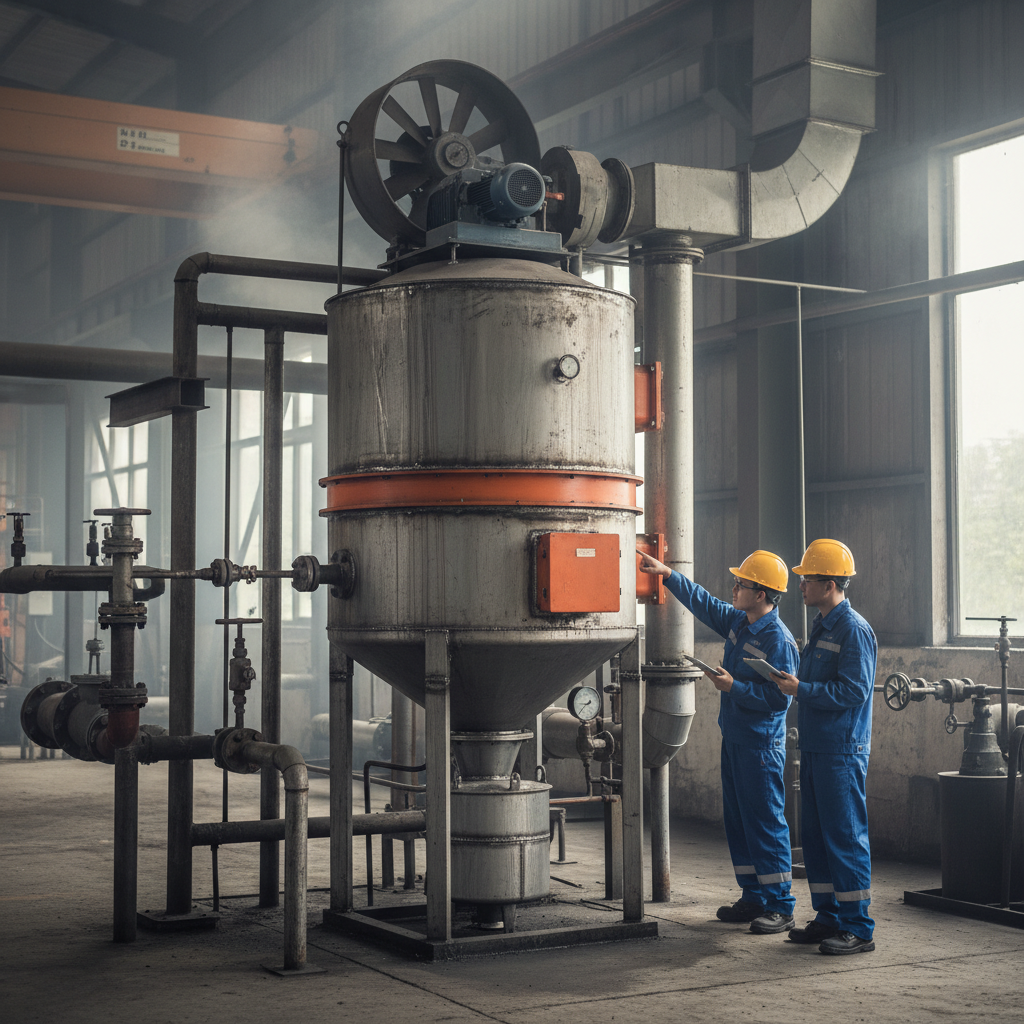
At the same time, climate change accelerates demand for cleaner energy and improved waste management—both rely on advanced filtration. For example, turbine oil filtration is critical to power plants running smoothly, cutting costs and emissions. But supply chain disruptions sometimes make top-quality filter elements scarce, highlighting the need for trusted vendors and adaptable designs.
What is a Filter Element?
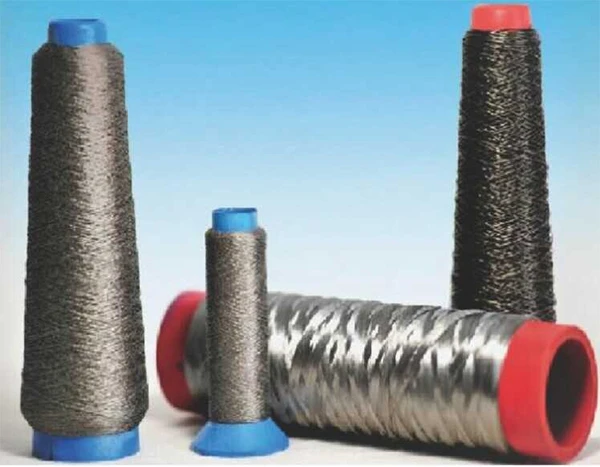
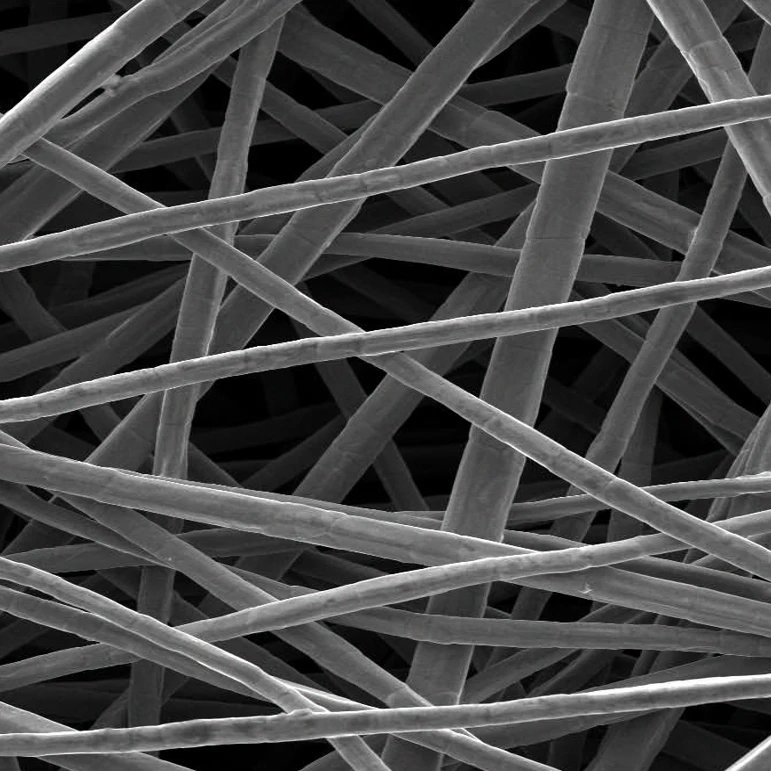
Simply put, a filter element is the replaceable core component inside a filter housing that traps unwanted solids, particles, or chemicals from fluids or gases. It acts like a sieve but with high precision and durability. You’ll find these elements made from various materials such as woven wire mesh, cellulose, synthetic fibers, or sintered metal, each tailored for specific filtration needs.
The role these elements play ties directly into industries like water treatment, oil refining, pharmaceuticals, and even humanitarian aid—for instance, in filtering out pathogens during disaster relief efforts. They’re small but mighty parts that keep systems running cleanly, safely, and efficiently.
Key Aspects of Filter Elements
1. Durability
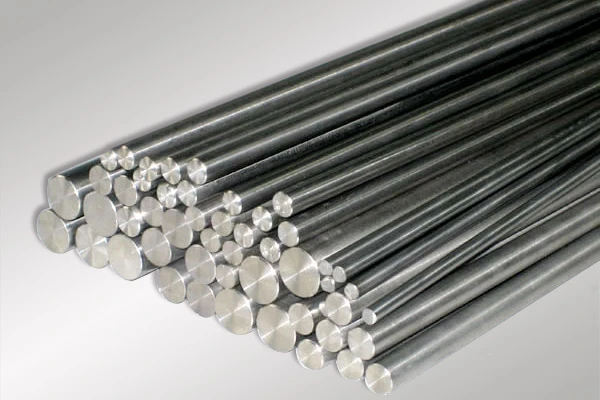
Whether exposed to corrosive chemicals or frequent pressure changes, filter elements must withstand demanding conditions. Materials like sintered stainless steel filter elements offer high strength and longevity, cutting down replacement frequency.
2. Filtration Precision
Measured in microns, the filtration rating defines what particles are caught. A fine 1-micron filter element can trap bacteria, making them ideal for drinking water purification, whereas 100-micron elements might serve in pre-filtration stages to remove coarse debris.
3. Cost Efficiency
Choosing the right element shapes the balance between upfront cost and lifespan. Some synthetic fiber elements might cost more initially but extend service intervals substantially—a consideration especially important in remote or disaster-prone areas.
4. Compatibility
Filter elements must fit seamlessly within existing housings and processing systems. Vendors often provide customizable dimensions and materials to accommodate diverse industrial setups.
5. Environmental Impact
Materials and recyclability matter now more than ever. Biodegradable or recyclable filter elements reduce waste and align with corporate sustainability goals, a growing priority worldwide.
Typical Filter Element Specifications
| Specification | Detail |
|---|---|
| Material | Stainless Steel Sintered Mesh / Polypropylene / Cellulose |
| Filtration Rating | 0.5 - 100 microns |
| Operating Pressure | Up to 500 psi |
| Temperature Range | -20 to 150°C |
| Connection Type | Threaded / Flanged / Clamp |
Mini takeaway: When selecting filter elements, balancing durability, filtration precision, and environmental footprint is key for effective filtration solutions.
Global Applications & Use Cases
- Water Treatment Plants: Filter elements purify drinking water, removing bacteria, sediment, and chemicals—critical in regions like sub-Saharan Africa where infrastructure gaps persist.
- Oil & Gas Industry: Protecting hydraulic systems and refining equipment from abrasive particles in the Middle East, improving machinery lifetime and safety.
- Pharmaceutical Manufacturing: Ensuring sterile conditions by filtering liquids and air, meeting strict ISO 9001 and 13485 certifications common across Europe and Asia.
- Disaster Relief Efforts: Portable filtration kits using advanced filter elements purify water quickly, providing safe drinking water in post-tsunami or earthquake areas.
- HVAC Systems: Filter elements maintain indoor air quality in densely populated urban centers, reducing airborne contaminants and allergens.
Vendor Comparison: Key Filter Element Providers
| Vendor | Material Specialization | Filtration Range | Customization Options | Sustainability Efforts |
|---|---|---|---|---|
| China Porous Filters | Stainless Steel, Synthetic Fibers | 0.5-100 microns | Size, shape, material blends | Recycling and waste reduction programs |
| GE Filtration Solutions | Polypropylene, Cellulose | 1-50 microns | Standard designs with some custom options | Focus on carbon-neutral production |
| Pall Corporation | Metal, Synthetic Membranes | 0.2-20 microns | Highly customizable filtration media | Certification in sustainable manufacturing |
Advantages & Long-Term Value of Quality Filter Elements
It feels like getting the right filter element is sort of like choosing safety shoes at a construction site — essential, but often overlooked. Good filter elements deliver a mix of strong cost efficiency, proven reliability, and environmental sustainability. They reduce system downtime by lasting longer and filtering more effectively. Over time, this translates into lower maintenance costs and fewer replacements—a huge deal for remote or disaster-prone locations where logistics are challenging.
There’s also the social dimension. Providing clean water or clean air, especially in under-resourced regions, supports dignity and safety—human impacts that numbers alone can’t capture. From an innovation perspective, as industries push towards greener technologies, filter elements that reduce waste and improve recyclability become invaluable.
Future Trends & Innovations in Filter Elements
Looking ahead, I suppose the most exciting advances lie in “smart” filter elements embedded with sensors that monitor clogging and performance in real-time — part of the broader digital transformation trend creeping across industrial supply chains. Materials science innovations, like graphene-coated filter elements, promise higher durability and filtration precision at lower energy consumption.
Plus, regulatory pressure globally is nudging manufacturers to adopt more eco-friendly materials and sustainable designs. Automation and modular filtration systems will help tailor filter element replacement schedules, improving uptime and reducing waste. These shifts seem aligned with the UN’s Sustainable Development Goals prioritizing clean water and responsible consumption[2].
Challenges & Practical Solutions
Of course, filter elements aren’t silver bullets. They face challenges like clogging, uneven wear, and matching filtration media precisely to diverse contaminants. Sourcing consistent, high-quality filter elements can be tough, especially in developing markets. That said, many engineers now recommend using multi-stage filtration setups—starting coarse, then fine—to extend element life.
Vendor partnerships matter. Opting for suppliers who provide customization and technical support ensures better system compatibility and reduces operational surprises. Field testing and ongoing performance monitoring also play a huge role—oddly enough, many failures trace back to poor installation or maintenance rather than the filter element itself.
Frequently Asked Questions About Filter Elements
- What determines the best filter element for industrial water treatment?
- The ideal filter element depends on the contaminants present, required filtration rating (micron size), flow rate, and compatibility with the fluid's chemistry. Stainless steel sintered elements are common for durability, whereas polypropylene filters suit lower-pressure and chemical-sensitive environments.
- How often should I replace a filter element in a HVAC system?
- Replacement frequency varies based on air quality and usage but typically ranges from 3 to 6 months. Regular inspections are critical—pressure drop across the filter element is a helpful indicator that replacement is due.
- Can filter elements be reused or cleaned?
- Some filter elements, especially metal mesh types, can be cleaned and reused if done properly. However, synthetic or cellulose filters are usually single-use and require replacement to maintain performance.
- Are there environmentally friendly options for filter elements?
- Yes, many manufacturers now offer biodegradable or recyclable filter elements to reduce landfill waste. Additionally, choosing longer-lasting materials decreases overall environmental impact.
- What are common signs that a filter element is failing?
- Look for increased system pressure drops, reduced flow rates, or contamination downstream. Any unusual odors or discoloration in fluids can also signal that the filter element is compromised.
Conclusion: Why Investing in Quality Filter Elements Makes Sense
In real terms, filter elements are tiny yet mighty marvels that keep critical systems running cleanly—from industrial plants to humanitarian water kits. Their long-term benefits are clear: enhanced safety, operational efficiency, and sustainability. For businesses and organizations looking to boost performance and environmental responsibility, investing in high-quality, customizable filter elements is a smart move.
If you want to explore trusted, high-grade filter elements that suit a wide range of industrial and humanitarian needs, I warmly encourage you to visit China Porous Filters. Their expertise and product range highlight what’s possible in modern filtration technology.
Stay curious, and keep an eye on this evolving technology that, oddly enough, quietly shapes so much of our daily life.
Post Time: Dec . 02, 2025 11:15