Understanding the Beer Filter: Vital Tech in Brewing and Beyond
At first glance, the phrase beer filter might conjure up images of a simple kitchen gadget or maybe a quirky craft beer accessory, but it’s actually a crucial technology with global relevance. Filtering beer isn't just about clarity or taste; it plays a vital role in quality control, shelf life, and safety — factors that ripple through the global beverage industry and even humanitarian contexts. Oddly enough, this unassuming device impacts everything from local breweries in Europe to large-scale industrial processes in Asia and beyond.
Introduction: Why the Beer Filter Matters Globally
The global beer market is projected to reach nearly $790 billion by 2025, according to the World Bank, underscoring not only its economic weight but also the importance of consistent quality and safety standards. Brewers worldwide wrestle with issues such as microbial contamination, haze formation, and oxidation, all of which degrade beer quality. This is where the beer filter becomes a kingpin, addressing problems that can lead to spoilage and even health risks. Beyond brewing, the technology of filtration inspires applications in water purification and food safety, illustrating how this tool bridges industries.
What Is a Beer Filter?
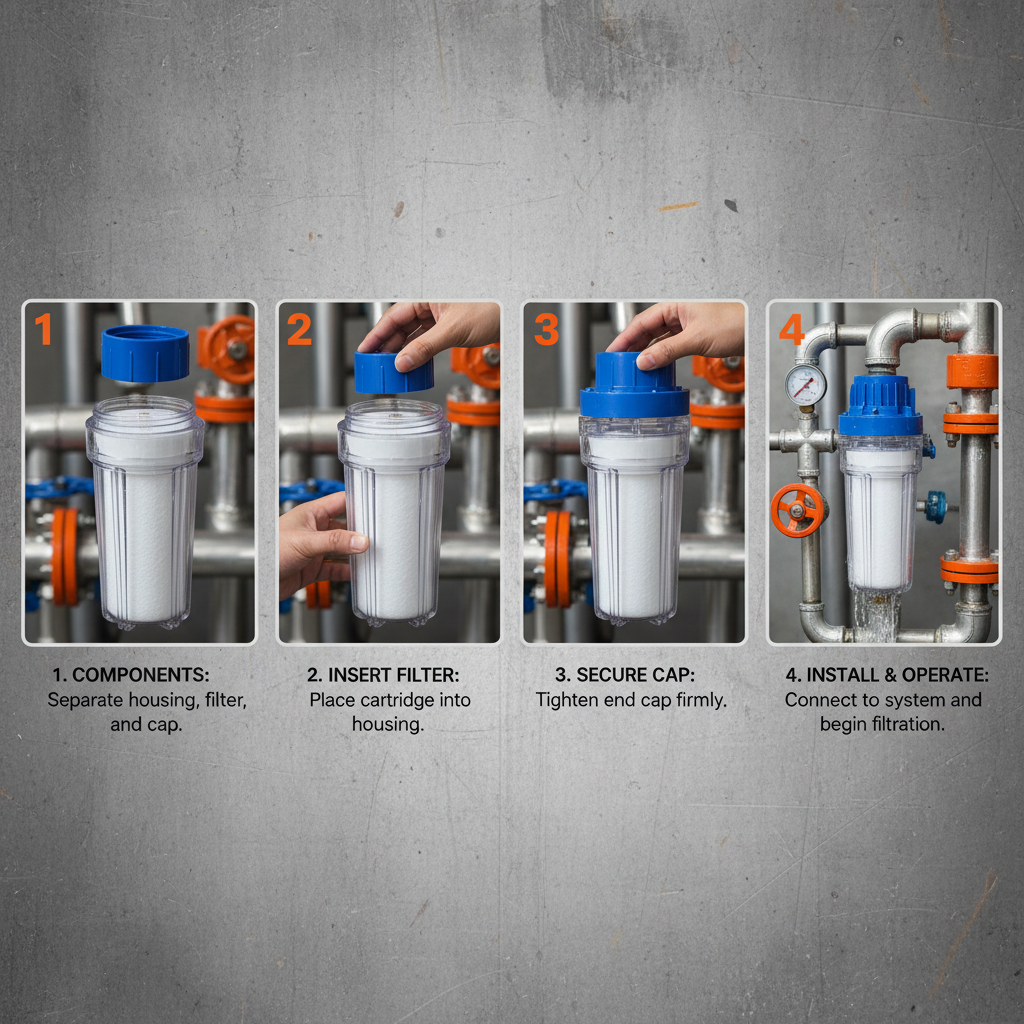
Simply put, a beer filter is a system or device designed to remove unwanted particles, yeast cells, and other sediment from beer, enhancing clarity and stability. Filters vary: from simple paper pads to sophisticated membrane or cartridge filters that employ microporous materials. They work by physically trapping solids or sometimes by adsorption and chemical means. This drives consistency in every bottle or keg leaving the brewery.
While beer filtration has been around since medieval times, modern techniques tie into larger industrial and humanitarian needs — such as producing safe drinking liquids or creating food-grade filtration systems that meet ISO standards. So the technology is far from trivial; it represents a fusion of tradition and advanced engineering.
Key Factors of Beer Filters
1. Filtration Material & Technology
Materials range from cellulose pads to cross-flow membrane filters. Your choice impacts not just clarity but also flavor retention and shelf life. For example, ceramic and synthetic membranes provide precise pore size control, allowing micro-particle and microbial removal without stripping flavors.
2. Durability and Maintenance
Filter longevity depends on the materials used and cleaning protocols. Durable filters reduce downtime in production and improve cost efficiency—important for large breweries juggling volume and quality.
3. Scalability
Beer filters come in sizes from small pilot-scale units to enormous industrial systems capable of processing millions of liters per day. Scalability is crucial for breweries planning growth or adapting production to meet seasonal demand.
4. Cost Efficiency
Initial filter investment, operational costs (like energy and replaceable media), and waste management all influence cost. More efficient filters can dramatically reduce long-term costs and environmental footprint.
5. Regulatory Compliance
The best filters comply with food safety and sanitary standards, including regulations by ISO and the FDA, ensuring products meet global export requirements.
Table: Typical Beer Filter Product Specifications
| Feature | Description | Typical Values |
|---|---|---|
| Filter type | Membrane / Crossflow | 0.45–1.4 micron pore size |
| Flow rate | Volume throughput capacity | 200–2000 L/hr |
| Max temperature | Operating temperature tolerance | Up to 85 °C |
| Cleaning protocol | Clean-in-place (CIP) compatible | Yes |
Global Applications & Use Cases
Across continents and scales, beer filters help brewers deliver consistent quality. For example, German and Belgian breweries emphasize traditional filtration to satisfy connoisseurs, while large industrial breweries in the U.S. and China adopt automated filtration systems for high volume output.
But the tech doesn't stop with beer—filtration methods have inspired water purification projects in remote regions. NGOs operating in disaster relief zones in Africa and Southeast Asia often borrow filtration concepts to provide clean drinking water, especially when local infrastructure is damaged or inadequate. It’s sort of remarkable how a beer brewing technique enhances global health initiatives.
Table: Comparison of Leading Beer Filter Vendors
| Vendor | Technology | Capacity | Price Range | Notable Feature |
|---|---|---|---|---|
| BrewTech Filters | Crossflow Membrane | 500–1500 L/hr | $$$ | Energy-efficient cleaning cycles |
| ClearPour Systems | Plate and Frame | 200–1000 L/hr | $$ | Modular design for scalability |
| Filtratech Co. | Ceramic Membrane | 1000–2000 L/hr | $$$$ | Ultra-durable for harsh environments |
Advantages & Long-Term Value
Adopting the right beer filtering technology yields clear benefits: better taste, extended shelf life, and significant reduction in microbial spoilage. Brewers find that healthier beer builds trust and brand loyalty; plus, less product loss means cost savings. Emotionally, a crisp, clean beer connects the drinker with craftsmanship and trustworthiness — invaluable in competitive markets.
Socially, improving filtration fosters sustainable production by reducing waste and energy use, aligned with global environmental efforts. It’s these overlapping values—economic, social, and environmental—that make beer filtration a genuine innovation, not just a technical requirement.
Future Trends & Innovations
Looking ahead, the beer filter industry is embracing digital transformation. Smart sensors embedded in filters now provide real-time monitoring of clogging or contamination, enabling predictive maintenance. Some newer filters incorporate nanomaterials to improve filtration efficiency while lowering energy consumption. Meanwhile, sustainability drives innovation toward eco-friendly disposable filter elements or recyclable membranes.
Automation will reduce manual cleaning and human error, especially helpful in large-scale breweries aiming for consistent performance. Also, rising interest in craft beers with less filtration (to retain flavor complexity) coexists with demanding stricter hygiene for mass markets — a fascinating balancing act.
Challenges & Solutions
Understandably, beer filtration presents hurdles. Filters clog, requiring downtime and labor-intensive cleaning, which can be costly. Some filtering methods strip delicate flavors if not carefully managed. And the initial financial investment can be a barrier for smaller breweries.
Many engineers recommend hybrid filtration systems that combine rough pre-filters with fine membranes. This staged approach extends filter life and maximizes flavor preservation. Collaborative R&D between breweries and filter manufacturers is pushing the envelope, creating tailored solutions that fit specific beer styles and production scales.
FAQ: Frequently Asked Questions About Beer Filter
- Q: What filter pore size is best for removing yeast without affecting flavor?
A: Pore sizes between 0.45 to 0.8 microns tend to balance yeast removal and flavor retention. Smaller pores remove more microbes but risk stripping character. Many brewers adjust based on beer style. - Q: How often should beer filters be cleaned or replaced?
A: Cleaning frequency depends on usage and filter type. Typically, membranes require cleaning after every production batch with CIP protocols, while pad filters might be replaced more frequently. Regular maintenance avoids contamination and downtime. - Q: Are beer filters reusable or disposable?
A: Both types exist. Membrane and ceramic filters are reusable, requiring cleaning, while some paper or cellulose filters are single-use. Sustainability goals often push brewers toward reusable options. - Q: Can beer filters be used in other beverage or food applications?
A: Definitely. The technology is common in water purification, juice clarification, and even pharmaceutical production. The core principles adapt to many liquid purification needs.
Conclusion
The beer filter is more than a tech detail — it’s a linchpin for quality, safety, and innovation in brewing and beyond. From enhancing flavor clarity to inspiring humanitarian water projects, its impact is surprisingly profound. For brewers large and small, understanding and investing wisely in filtration technology yields benefits that last for years.
If you want to explore the latest in beer filtration technologies, check out beer filter solutions that marry tradition with cutting-edge innovation.
Quick takeaway: Mastering the right filter tech is kind of like nailing the perfect brew — balancing clarity, flavor, and efficiency with a little bit of science and a lot of passion.
Post Time: Dec . 02, 2025 14:40