THE BUYER'S GUIDE / SELECTION
Choosing Titanium Fiber Felt: Application Fit and Specification Checks
Titanium fiber felt is used across demanding industrial and engineering applications—from hydrogen energy diffusion layers to aerospace structural components. This guide walks procurement teams through five selection criteria: application field fit, fiber diameter and bundle specification, corrosion and temperature performance, physical format, and supply packaging. Drawing on confirmed product specifications from SHIJIAZHUANG POROYAL TECHNOLOGIES CO., LTD., it explains how to match material parameters to your process requirements and when a sintered titanium fiber felt filter disc is the appropriate end-use format.

Application field fit — confirm that the intended use (hydrogen energy diffusion layers, filtration discs, aerospace structural materials, electromagnetic shielding, biomedical, or combustion) is among the confirmed application areas before specifying titanium fiber felt.
Fiber diameter and bundle specification — select from confirmed diameter options (8, 25, 40, or 50 µm) based on required porosity, filtration fineness, or structural density; cross-reference filament count, wave type (none or QH), linear weight (g/m), and Tex value to ensure consistent areal density in the sintered felt.
What Is Titanium Fiber Felt?
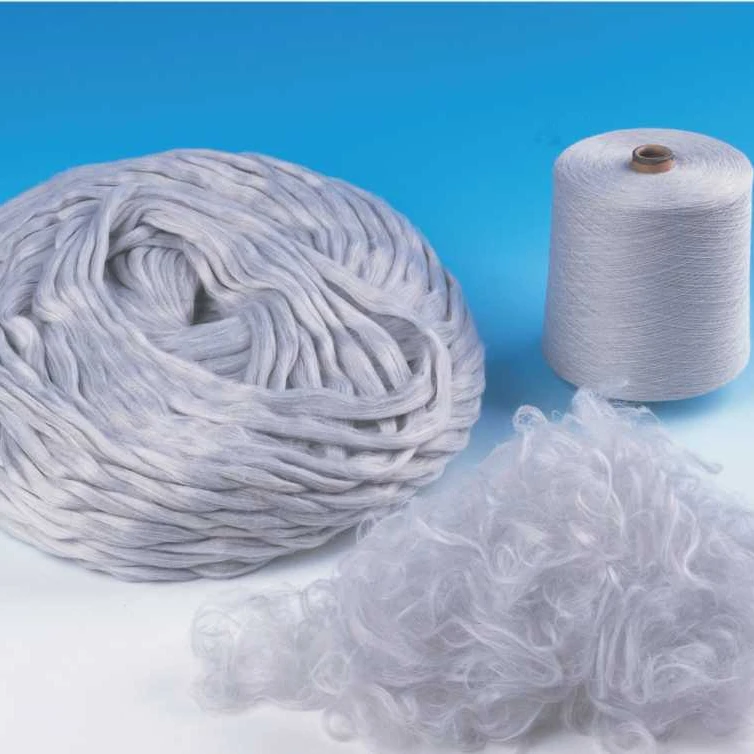
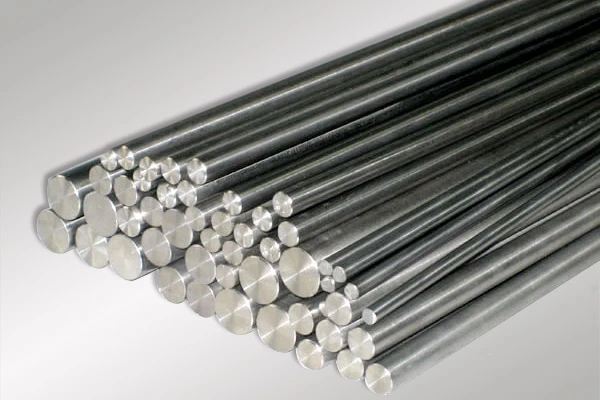
Titanium fiber is a fibrous material made by drawing titanium wire to a controlled aspect ratio. When processed further—typically through sintering—it forms a porous, mat-like sheet known as titanium fiber felt. The structure inherits titanium’s core advantages: corrosion resistance, high- and low-temperature stability, low weight, and good impact energy absorption.
Buyers encounter this material in two main roles. The first is functional filtration and diffusion media, such as anode diffusion layers for hydrogen energy stacks or inline filter discs. The second is structural or reinforcing media, such as aerospace equipment components or golf club shaft reinforcement. Identifying your role before evaluating dimensions or weights simplifies every downstream specification decision.
Criterion 1: Application Field Fit
Confirm that your application falls within the established use cases before specifying this material. Application fields supported by confirmed product data include:
- Hydrogen energy / PEM electrolysis — anode diffusion layer materials and high-performance titanium-based metal oxide electrodes
- Filtration and analysis — gas-solid and liquid-solid separation, including filter disc formats
- Aerospace and structural work — aerospace equipment materials where high specific strength and low mass matter
- Weight reduction and reinforcement — golf club shaft reinforcement is a confirmed example
- Electromagnetic shielding — enabled by titanium’s conductivity and the fibrous, open-mesh geometry
- High-efficiency combustion and biomedical materials
Buyer note: If your process falls outside these fields—for example, cryogenic vessels or direct electrical resistance heating—consult the manufacturer before committing to a specification.
Criterion 2: Fiber Diameter and Bundle Architecture
Fiber diameter is the primary variable controlling porosity, flow resistance, and filtration fineness in sintered felt products. Four confirmed diameter options are available:
| Fiber Diameter (µm) | Filaments / Bundle | Wave | Weight/meter (g/m) | Fineness (Tex) |
|---|---|---|---|---|
| 8 | 3,000 | None | 0.60 – 0.72 | 600 – 720 |
| 25 | 500 | QH | 1.03 – 1.18 | 1,030 – 1,180 |
| 40 | 500 | QH | 2.63 – 3.02 | 2,630 – 3,020 |
| 50 | 500 | QH | 4.11 – 4.73 | 4,110 – 4,730 |
Reading the table for procurement:
- 8 µm / 3,000-filament, no-wave: The finest confirmed grade. A higher filament count with no wave produces a denser, more uniform structure—well suited to diffusion layers where even gas distribution is critical.
- 25–50 µm, QH wave: The wave geometry increases inter-fiber contact and mechanical cohesion. These grades fit structural reinforcement applications or coarser filtration duty better than the fine grade.
- Linear weight (g/m) and Tex: Scale predictably with diameter. Including these values in a purchase order ensures consistent areal density in the sintered product.
Criterion 3: Corrosion and Temperature Performance
The base titanium material provides corrosion resistance and high-/low-temperature stability. Both properties are confirmed advantages of the fiber. However, buyers should note:
- Corrosion resistance depends not only on the base fiber but also on sintering profile, surface condition, and post-processing. Request material grade confirmation—commercially pure titanium versus titanium alloy fiber—for aggressive chemical environments.
- Temperature range: High- and low-temperature service is fitting applications such as combustion media and hydrogen stack operation.
- Impact energy absorption: The fibrous architecture provides confirmed impact absorption capability, relevant for aerospace and structural end uses.
Criterion 4: Physical Format
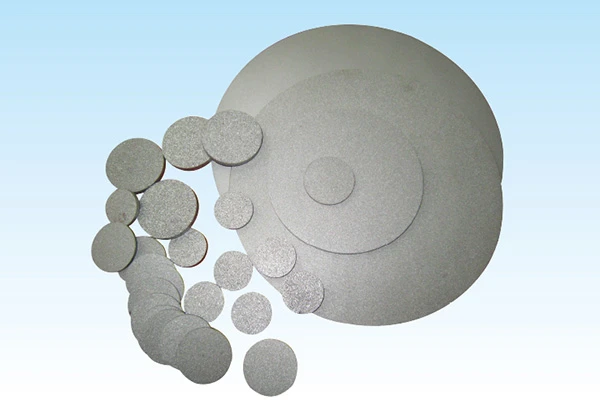
Titanium fiber is supplied as a bundle or tow and can be further processed into sintered sheet or a titanium fiber felt filter disc. The right format depends on your downstream processing capability and end-use geometry:
| Format | Typical Use | Buyer Consideration |
|---|---|---|
| Fiber tow / bundle | Composite reinforcement, weaving, in-house sintering | Buyer handles lay-up or sintering |
| Sintered felt sheet | Diffusion layers, flat filtration media, shielding panels | Confirm target thickness and porosity |
| Filter disc | Inline gas or liquid filtration, stack components | Specify disc diameter, sealing interface, and micron rating |
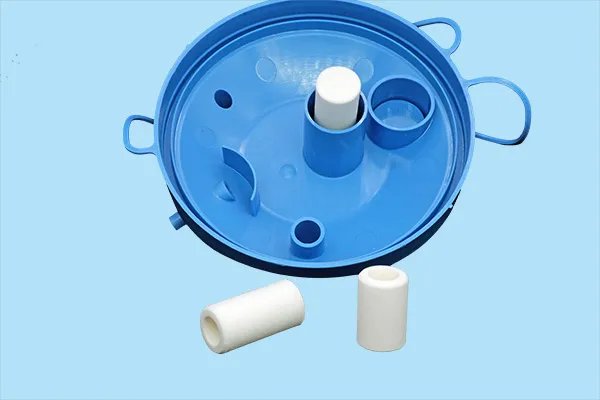
Filter disc dimensions—outer diameter, thickness, porosity, and housing fit—are downstream sintered-product parameters that go beyond the tow specification table. Discuss these with the manufacturer at the quotation stage.
Criterion 5: Packaging and Supply Format
Confirmed packaging options are cylindrical tube and customized package. Key points for procurement teams:
- Cylindrical tube is the standard form and protects fiber bundle integrity in transit.
- Customized packaging is available for non-standard spool sizes or OEM requirements.
Contact SHIJIAZHUANG POROYAL TECHNOLOGIES CO., LTD. directly for commercial terms.
Application Fit Summary
| Application | Confirmed Fit | Notes |
|---|---|---|
| PEM electrolyzer anode diffusion layer | ✔ | 8 µm grade preferred for uniform diffusion |
| Gas/liquid filtration disc | ✔ | Fineness depends on target cut-off rating |
| Aerospace structural component | ✔ | Coarser grades (25–50 µm) suit reinforcement duty |
| Electromagnetic shielding | ✔ | Confirm lay-up density with manufacturer |
| Biomedical material | ✔ | Verify grade and biocompatibility separately |
| High-efficiency combustion media | ✔ | Confirm thermal profile with manufacturer |
| Cryogenic or high-voltage service | Request technical clarification before specifying |
Specification Checklist Before You Order
Confirm each item before placing an order:
- Fiber diameter (µm): 8, 25, 40, or 50 — based on porosity or structural density target.
- Filament count and wave type: No-wave for uniform density; QH-wave for mechanical cohesion.
- Linear density (g/m and Tex): State these to ensure consistent areal density in sintered form.
- End-use format: Tow, sintered sheet, or disc—include target dimensions and porosity for sintered forms.
- Process environment: Chemical contact media, operating temperature range, and any biocompatibility or regulatory requirements—verify directly with the manufacturer.
- Packaging: Standard cylindrical tube or customized—state spool weight or length if non-standard.
About SHIJIAZHUANG POROYAL TECHNOLOGIES CO., LTD.
SHIJIAZHUANG POROYAL TECHNOLOGIES CO., LTD. operates dedicated divisions for Metal Sintered Porous Filters, Metal Fibers, Plastic Sintered Porous Filters, and Medical & Laboratory filtration solutions. Their titanium fiber product line covers raw fiber tow and sintered components, serving industries from hydrogen energy and aerospace to filtration and biomedical applications. Contact the manufacturer directly for custom formats, technical consultation, or commercial terms.
THE PEOPLE

About the author
THE COMPANY
SHIJIAZHUANG POROYAL TECHNOLOGIES CO., LTD.
POROYAL is dedicated to the research and development of powder sintered porous filter technology, establishing itself as a leading innovator in advanced porous material solutions. POROYAL engineers deliver high-value engineering solutions to address complex product design challenges across diverse industries, including petrochemical, oilfield, water treatment, food & beverage, pharmaceutical, chemical processing, medical devices, vacuum conveying, and other specialized applications.…
About Us ↗Visit company website ↗YOUR NEXT STEP
Bring your brief. Start a useful conversation.
Use case, specification, quantity and delivery window: make the next conversation specific.
Post Time: Oct . 28, 2026 00:22