The Quiet Power of Air Sparger Bubble Diffusers: Why They Matter Globally
If you've ever wondered how industries, especially wastewater treatment plants, manage to clean billions of gallons of water efficiently, there's a silent hero at work: the air sparger bubble diffuser. These devices might sound a bit... technical (and well, they are), but their impact is anything but dull. From reducing energy consumption to improving water quality in remote areas, understanding this technology opens a window to solutions that affect the environment, public health, and industry worldwide. In a world increasingly focused on sustainability and smarter resource use, mastering these diffusers' role is key to smarter water management.
Air Sparger Bubble Diffuser: A Global Perspective
Around the globe, water treatment is a major concern; the United Nations estimates that over 2 billion people lack access to safely managed drinking water (UN-Water, 2023). Industrialization, urbanization, and climate change create mounting pressures on fresh water availability and sanitation systems. Enter the air sparger bubble diffuser — a simple yet profoundly effective piece of technology that bubbles air through water to improve oxygen transfer rates during treatment.
These diffusers reduce energy needed to oxygenate, addressing one vital challenge: how to do more with less. According to the International Water Association (IWA), aeration processes make up roughly 50-60% of energy use in wastewater treatment plants worldwide. Optimizing this step with better air spargers helps cut carbon footprints dramatically — which, frankly, seems overdue.
Getting to Know Air Sparger Bubble Diffusers
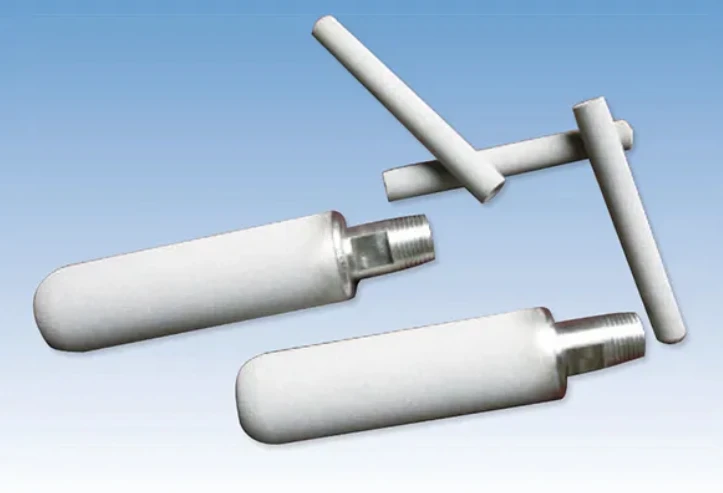
Put simply, an air sparger bubble diffuser is a device that releases air (or oxygen-enriched gas) into liquids, producing tiny bubbles. This increases the surface area for gas exchange, maximizing oxygen dissolution into the water. Think of it as the difference between blowing air into your coffee through a wide straw versus a tiny needle—the smaller bubbles dissolve oxygen far more efficiently.
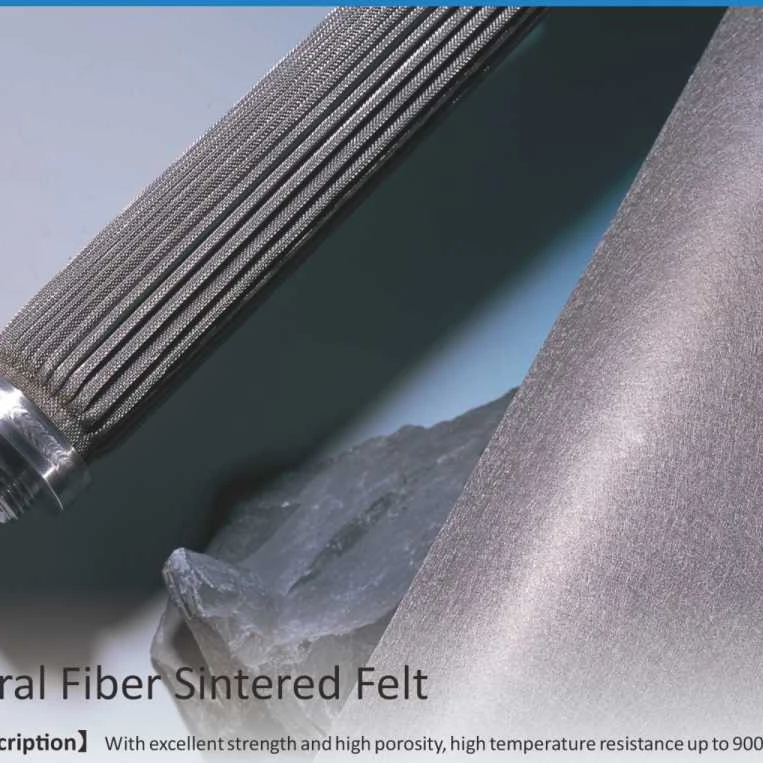
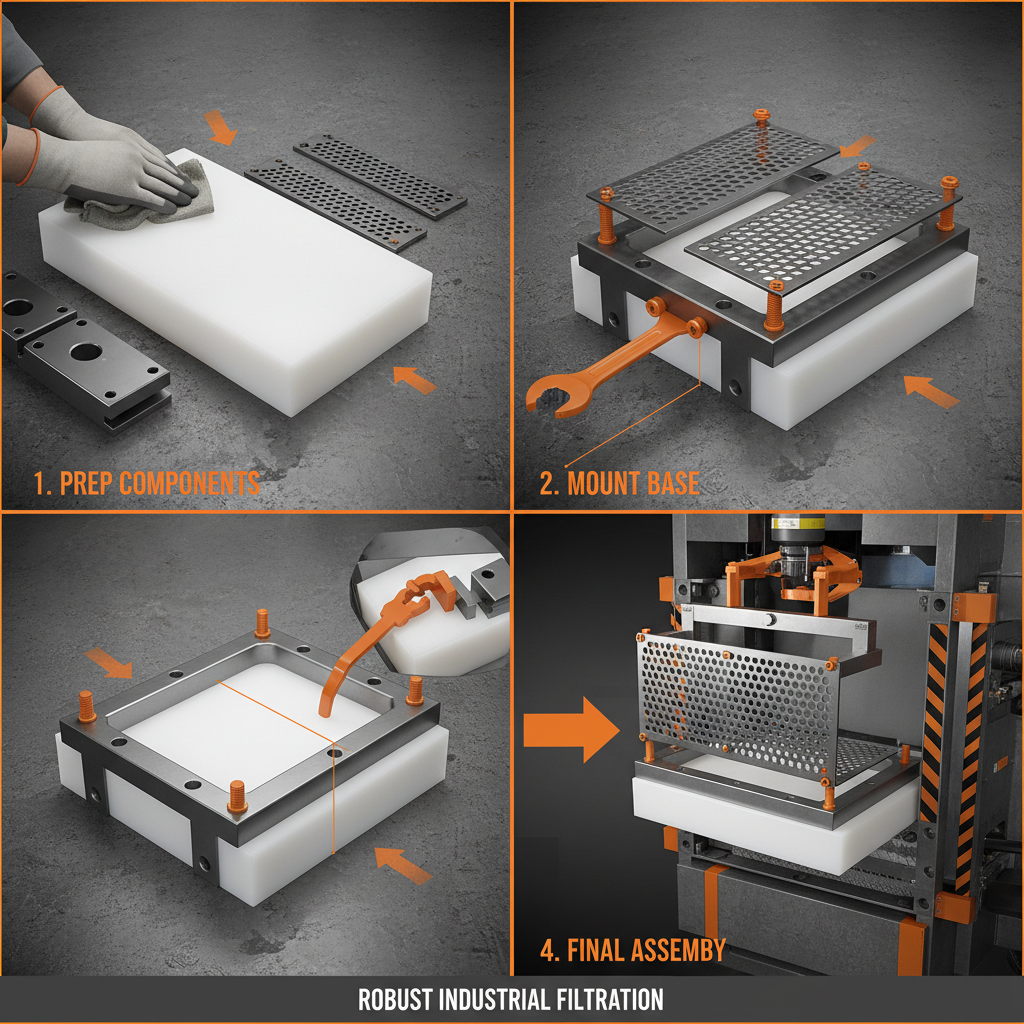
These bubble diffusers are often made from porous materials or membranes that control bubble size and distribution. Their design is so crucial because it determines everything from energy use to cleaning effectiveness. In essence, these devices help industries and utilities — as well as humanitarian agencies providing water in crisis zones — to treat water more effectively.
Key Components That Make a Difference
1. Material Durability
The best air sparger bubble diffusers are built to last. They face harsh chemical environments and physical wear daily. Materials like EPDM rubber, ceramic, or special polymers can resist fouling and breakage — meaning less downtime and maintenance.
2. Bubble Size and Distribution
Smaller bubbles mean larger surface area and better oxygen transfer. Manufacturers design diffusers with pore sizes sometimes less than 1 millimeter to create “fine bubbles.” Uniform distribution across tanks is essential for consistent treatment.
3. Energy Efficiency
Because aeration is energy-intensive, a diffuser's efficiency directly impacts operational costs. Innovations in membrane and sparger designs focus on reducing pressure drops while optimizing oxygen transfer.
4. Scalability and Modularity
Whether it’s a small village treatment unit or a massive urban facility, sparger systems adapt in size and complexity. Modular designs allow easy upgrades — handy when regulations tighten or needs grow.
5. Maintenance and Cleaning
Fouling—clogging by biofilm or minerals—is the bane of diffusers. Designs that facilitate backflushing or easy replacement are critical in real-world application.
Mini takeaway:
Material choice, bubble control, and energy efficiency aren’t abstract specs—they control how well the system treats water, costs, and how often engineers need to intervene.
Real-World Uses: From Cities to Crisis Zones
Many industries rely heavily on air sparger bubble diffusers — notably municipal wastewater treatment, aquaculture, chemical manufacturing, and food processing. In China and Western Europe, ultra-fine bubble diffusers have become standard equipment, helping facilities comply with increasingly strict environmental regulations.
Oddly enough, these diffusers also show up in post-disaster relief efforts. After a flood or earthquake, clean water is scarce — mobile treatment units equipped with air spargers can quickly oxygenate and purify water, supporting emergency response teams.
Aquaculture farms worldwide, especially in Southeast Asia, use sparger systems to maintain dissolved oxygen, keeping fish healthy and increasing yields. Even some remote industrial zones in Africa and South America deploy sparger technology for sustainable wastewater reuse.
Advantages That Stand the Test of Time
- Cost savings: Lower energy usage translates to smaller utility bills.
- Environmental impact: Better oxygen transfer means less chemical use and cleaner effluent.
- Reliability: Long-lasting designs cut down downtime, improving trust among operators.
- Social impact: Cleaner water improves public health, restores dignity in communities reliant on treated water.
Many engineers I spoke with noted how incorporating efficient bubble diffusers felt like one of the “low-hanging fruit” opportunities in plant optimization.
Spotting Innovation on the Horizon
The future is bubbling with promise. New diffuse materials incorporating nanotech promise even finer bubbles with less fouling. Others explore integrating real-time digital monitoring with IoT sensors to track diffuser performance remotely, automatically adjusting airflows and reducing human error.
There's also a push towards sustainability — using bio-based polymers or reclaimed materials to build diffusers without compromising durability. Green energy sources, like solar-powered blowers, tie directly into these systems, aligning with circular economy ideals.
Challenges and How the Industry Tackles Them
No tech comes without headaches. Fouling remains the numero uno problem, leading to reduced oxygenation and energy waste. However, chemical-free cleaning methods, self-cleaning membranes, and better system controls are making headway.
Another challenge is upfront cost—top-tier sparger systems don’t come cheap, which can deter smaller operators. Leasing options, government subsidies, and scalable designs help bridge this gap, ensuring more widespread adoption.
Product Specification at a Glance
| Feature | Typical Value | Notes |
|---|---|---|
| Bubble size | 0.5 - 2 mm | Fine bubbles boost oxygen transfer efficiency |
| Material | EPDM, Ceramic, PTFE | Depends on chemical load and environment |
| Operating pressure | 20-40 kPa | Optimized for low energy consumption |
| Lifespan | 3-7 years | Dependent on maintenance and water quality |
| Cleaning method | Backflushing, chemical soak | Crucial for fouling prevention |
Comparing Leading Air Sparger Bubble Diffuser Vendors
| Vendor | Material Options | Typical Applications | Price Range | Special Features |
|---|---|---|---|---|
| DiffusAir Co. | PTFE, Ceramic | Municipal, Industrial | $$$ | High temp resistance, self-cleaning membranes |
| EcoBubbles Ltd. | EPDM, Silicone | Aquaculture, Wastewater | $$ | Modular design, easy backflushing |
| WaterPure Tech | Ceramic only | Industrial, Municipal | $$$ | Long lifespan, chemical resistance |
| AquaSparge Solutions | PTFE, EPDM | Municipal, Emergency | $-$$ | Quick deploy units, portable systems |
Frequently Asked Questions About Air Sparger Bubble Diffusers
1. What is the difference between fine bubble and coarse bubble diffusers?
Fine bubble diffusers produce bubbles less than 2 mm in diameter, offering higher oxygen transfer efficiency due to increased surface area. Coarse bubble diffusers create larger bubbles, which rise faster but are less efficient. Fine bubbles are preferred for energy savings and optimal treatment but may clog faster.
2. How often should I clean or replace air sparger bubble diffusers?
Maintenance frequency depends on wastewater characteristics but generally ranges from every 6 months to a year for cleaning. Replacement cycles roughly span 3 to 7 years, depending on material durability and fouling severity. Regular backflushing can prolong lifespan.
3. Can air sparger bubble diffusers be retrofitted into existing water treatment plants?
Absolutely. Many plants upgrade old diffusers to modern air sparger bubble diffusers to increase efficiency and reduce energy costs. Modular designs facilitate retrofitting with minimal downtime, making them cost-effective improvement options.
4. Are these diffusers suitable for emergency water treatment?
Yes, especially portable and quick-deploy designs are used in disaster zones for rapid treatment. Their reliability, ease of transport, and energy efficiency make them ideal for humanitarian projects and temporary installations.
Wrapping Up: Why Embracing Air Sparger Bubble Diffuser Technology Makes Sense
The humble air sparger bubble diffuser is far more than just an industrial gadget. It holds a vital place in global efforts to manage water sustainably, save energy, and create healthier environments—from bustling cities to places recovering from crisis. If you’re in water treatment or involved with environmental technology, getting familiar with these devices is more than recommended; it’s essential.
Ready to upgrade your solution or just curious to explore options? Visit our website to learn more about the latest in air sparger bubble diffuser tech.
References
Post Time: Nov . 30, 2025 14:05