Introduction to Sintered Fiber Felt Technology
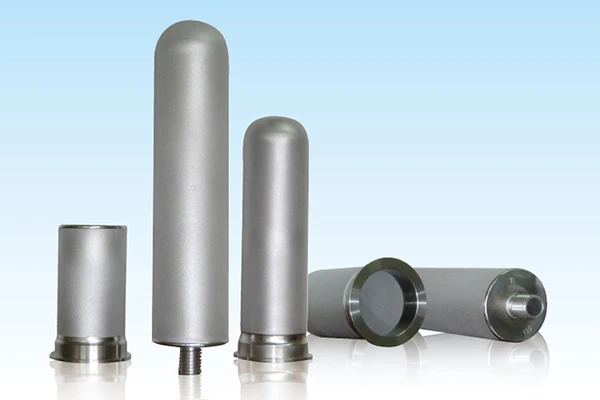
In the realm of advanced filtration and material science, fieltro de fibra sinterizada represents a critical innovation. This high-performance material, composed of ultra-fine metal fibers non-woven and then sintered at high temperatures, exhibits exceptional porosity, precise pore size distribution, and superior mechanical strength. Its unique characteristics make it indispensable across a multitude of demanding industrial applications, especially where high temperature, corrosion resistance, and efficient filtration are paramount. The meticulous engineering behind these materials ensures extended service life and optimal operational efficiency in various challenging environments.
The design principles leverage intricate fiber interlocking and metallurgical bonding to create a robust, three-dimensional porous structure. This structure is not only mechanically stable but also offers excellent permeability and dirt-holding capacity, making it a preferred choice over conventional filtration media. The ability to customize material composition, such as with specific alloys like titanium or pure nickel, further broadens its applicability.
Current Industry Trends and Market Dynamics
The market for fieltro de fibra sinterizada is experiencing robust growth, driven by increasing regulatory pressures for environmental protection, the demand for higher purity products in critical industries, and advancements in material science. Key trends include:
- Increased Demand for High-Temperature and Corrosive Applications: Industries such as petrochemicals, power generation, and chemical processing are increasingly adopting filtros de fieltro de fibra metálica sinterizada due to their unparalleled resistance to extreme temperatures and aggressive chemical environments.
- Focus on Sustainable Solutions: The ability of fiber felt filters to be backwashed and regenerated significantly reduces waste and operational costs, aligning with global sustainability initiatives. This makes them an attractive option compared to disposable filter media.
- Growth in Fuel Cell Technology: The burgeoning fuel cell industry, particularly hydrogen fuel cells, relies heavily on advanced porous media for gas diffusion layers and catalytic support. Materials like fieltro de fibra de titanio are gaining traction for their specific electrical conductivity and corrosion resistance properties in these cutting-edge applications.
- Advancements in Customization: Manufacturers are offering increasingly tailored solutions, allowing for specific pore sizes, material compositions (e.g., pure nickel, stainless steel, Hastelloy), and form factors to meet precise application requirements. This flexibility is crucial for integrating these materials into complex systems.
- Digitalization and IIoT Integration: The integration of smart sensors and analytics platforms for real-time monitoring of filter performance and predictive maintenance is becoming a significant trend, optimizing operational efficiency and extending the service life of fieltro de fibra sinterizada components.
Manufacturing Process Flow of Sintered Fiber Felt
The production of fieltro de fibra sinterizada is a sophisticated multi-stage process, ensuring high material integrity and consistent performance. The detailed steps are as follows:
- Preparación de la fibra: High-purity metal alloys (e.g., stainless steel, nickel, titanium) are drawn into ultra-fine fibers, typically ranging from 2 to 50 micrometers in diameter. This stage is critical for defining the final porosity and strength of the felt. For specialized products like fieltro de fibra de titanio, the titanium billets undergo specific forging and drawing processes to achieve the desired fiber characteristics.
- Web Formation: The prepared metal fibers are uniformly dispersed and laid into a non-woven web structure. Advanced air-laying or wet-laying techniques are employed to ensure homogeneous distribution and consistent areal density. This step is crucial for achieving uniform pore size and permeability.
- Pre-Sintering (Optional): In some cases, a pre-sintering step might be performed at a lower temperature to lightly bond the fibers, providing better handling strength before the main sintering process.
- Sintering: The most critical phase, where the fiber web is subjected to high temperatures (typically 800-1300°C, depending on the alloy) in a controlled atmosphere (e.g., hydrogen, vacuum, or inert gas). During sintering, inter-fiber diffusion bonding occurs at contact points, forming strong metallurgical bonds without melting the entire structure. This creates a stable, interconnected porous network. This process is meticulously controlled to ensure uniform pore structure and prevent deformation.
- Post-Processing and Shaping: After sintering, the felt material can be further processed. This may involve rolling to achieve desired thickness and density, cutting into specific shapes (e.g., disco de fieltro de fibra de níquel puro or large sheets), or welding/brazing into complex filter elements. CNC machining is often employed for precise dimensional control, ensuring adherence to tight tolerances required by industries like aerospace and medical devices.
- Quality Control and Testing: Each batch undergoes rigorous testing to meet international standards such as ISO (e.g., ISO 2942 for fabrication integrity, ISO 4003 for pore size distribution, ISO 3968 for pressure drop) and ANSI. Tests include porosity measurement, pore size distribution analysis, permeability tests, mechanical strength (tensile, compression), and corrosion resistance evaluations. Critical applications, like those for `titanium fiber felt filter disc`, often require additional non-destructive testing and validation. The expected service life of these materials, under specified operating conditions, typically ranges from 5 to 10 years, significantly reducing replacement costs in target industries such as petrochemical, metallurgy, and water supply & drainage.
This meticulous process ensures that the final fieltro de fibra sinterizada product delivers exceptional performance in energy saving through reduced pressure drop and superior corrosion resistance in aggressive media.
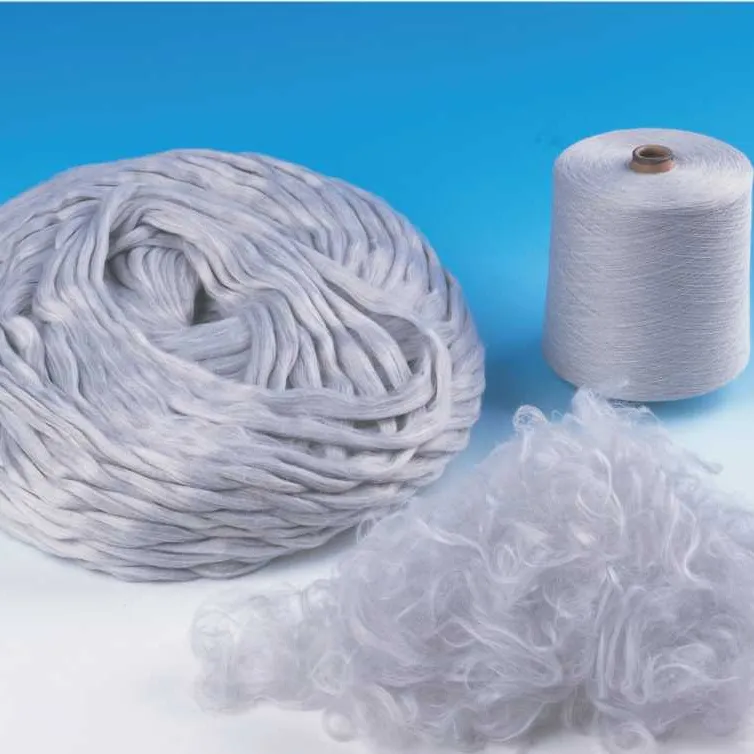
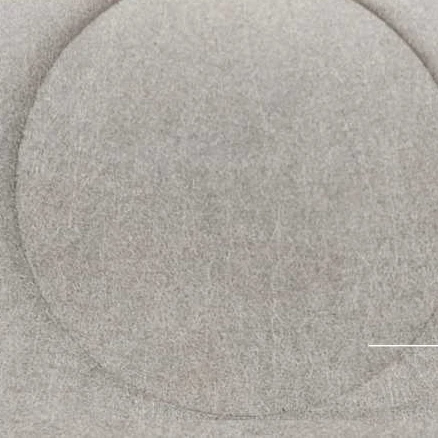
Figure 1: Microscopic view of a typical sintered metal fiber felt structure.
Technical Specifications and Performance Parameters
The performance of fieltro de fibra sinterizada is defined by a range of technical parameters that dictate its suitability for specific applications. Understanding these specifications is crucial for engineers and procurement specialists.
| Parámetro | Descripción | Typical Range / Value |
|---|---|---|
| Composición del material | Common alloys: SS316L, SS304, FeCrAl, Titanium, Nickel, Hastelloy, Monel | Dependent on application (e.g., Titanium for high corrosion, Nickel for alkalinity) |
| Fiber Diameter | Diameter of individual metal fibers | 2 µm to 50 µm |
| Filtration Rating (Pore Size) | Nominal or absolute particle removal capability | 0.5 µm to 200 µm |
| Porosidad | Volume fraction of voids in the material | 70% to 90% |
| Permeabilidad | Measure of a material's ability to allow fluids to pass through | Variable, customized to flow rate and pressure drop |
| Temperatura de funcionamiento | Maximum continuous operating temperature | Up to 600°C (SS), 800°C (Nickel), 900°C+ (FeCrAl, Hastelloy) |
| Resistencia a la corrosión | Resistance to various acids, alkalis, and solvents | Excellent (specific to alloy choice) |
| Resistencia mecánica | Tensile strength, resistance to vibration and pressure shock | High (inherent to sintered structure) |
These parameters are meticulously validated through comprehensive testing methodologies, ensuring that products like the Disco de filtro de fieltro de fibra de titanio or specialized disco de fieltro de fibra de níquel puro meet stringent application requirements for efficiency and longevity.
Key Technical Advantages
The inherent structure and material properties of fieltro de fibra sinterizada confer several distinct advantages over traditional filtration media:
- High Porosity and Excellent Permeability: With porosity typically ranging from 70-90%, it offers low initial pressure drop and high flow rates, leading to significant energy savings in pumping operations.
- Superior Filtration Efficiency: The tortuous path created by the fine fibers ensures high removal efficiency of sub-micron particles, providing high purity output.
- Resistencia excepcional a la corrosión: Manufactured from various corrosion-resistant alloys (SS316L, Titanium, Nickel, Hastelloy), these felts can operate reliably in highly acidic, alkaline, or otherwise aggressive chemical environments where polymer filters would degrade.
- High Temperature Stability: Capable of continuous operation at temperatures up to 900°C or more, making them ideal for hot gas filtration, catalytic reactions, and high-temperature process fluid purification.
- Mechanical Strength and Durability: The sintered structure provides excellent mechanical integrity, resisting pressure pulsations, vibration, and thermal shock, ensuring a long operational lifespan.
- Cleanability and Regenerability: Unlike disposable filters, filtros de fieltro de fibra metálica sinterizada can be effectively backwashed, ultrasonically cleaned, or chemically treated to restore their original filtration performance, thus extending service life and reducing operational costs. This regenerability contributes significantly to environmental sustainability.
- Versatile Form Factors: Available in sheets, tubes, discs (e.g., disco de fieltro de fibra de níquel puro), and custom geometries, allowing for integration into diverse system designs.
Diverse Application Scenarios
The unique properties of fieltro de fibra sinterizada make it highly adaptable across a wide range of industries and critical applications:
- Procesamiento petroquímico y químico: Used for catalyst recovery, purification of process liquids (acids, solvents), hot gas filtration, and steam filtration. For instance, Disco de filtro de fieltro de fibra de titanio is often chosen for highly corrosive acid filtration due to its excellent chemical inertness.
- Generación de energía: Applications include hot gas filtration in gasification and fluid catalytic cracking units, steam filtration in nuclear power plants, and condensate polishing.
- Water Treatment and Wastewater Management: Microfiltration and ultrafiltration for potable water, industrial wastewater, and oily water separation. The regenerability of filtros de fieltro de fibra metálica sinterizada significantly reduces operational costs in these high-volume applications.
- Farmacéutica y Biotecnología: Sterilizing filtration of liquids and gases, catalyst recovery, and purification of active pharmaceutical ingredients (APIs). The inert nature of materials like disco de fieltro de fibra de níquel puro ensures no contamination.
- Aerospace and Aviation: Hydraulic fluid filtration, fuel filtration, and pneumatic system filtration, where high performance and reliability are non-negotiable.
- Automotive Industry: Fuel filter elements, exhaust gas filtration, and DPF (Diesel Particulate Filter) components, especially for high-temperature and harsh environment conditions.
- Alimentos y bebidas: Clarification of beverages, removal of activated carbon, and fine filtration in edible oil processing.
- Fuel Cells and Electrolyzers: As gas diffusion layers, electrode backing, and flow field plates due to their excellent porosity, electrical conductivity, and corrosion resistance, particularly fieltro de fibra de titanio.
Vendor Comparison: Evaluating Sintered Fiber Felt Suppliers
Choosing the right vendor for fieltro de fibra sinterizada products is crucial for ensuring product quality, performance, and long-term cost-effectiveness. A comprehensive evaluation should consider several key factors beyond just price.
| Característica/Criterio | Leading Manufacturer (e.g., China Porous Filters) | Competitor A (Generic) | Competitor B (Generic) |
|---|---|---|---|
| Material Variety | Extensive (SS316L, Ti, Ni, FeCrAl, Hastelloy, Monel) | Limited (mainly SS316L, some Ni) | Moderate (SS316L, Ti) |
| Filtration Precision | 0.5µm to 200µm (Absolute and Nominal) | 1µm to 100µm (Nominal) | 0.8µm to 150µm (Mostly Nominal) |
| Capacidades de personalización | High; custom shapes, sizes, porosity, multi-layer designs | Limited to standard dimensions, basic modifications | Moderate; some custom sizes, limited material combinations |
| Certifications & Standards | ISO 9001, Material Certs (e.g., ASTM, DIN), Test Reports | ISO 9001 | ISO 9001, basic material certifications |
| Technical Support | Dedicated engineering support, application consultation | Standard product support | Basic technical assistance |
| After-Sales Service | Comprehensive warranty, cleaning/regeneration guidance | Standard warranty | Limited post-purchase support |
A leading manufacturer like China Porous Filters, with a strong focus on advanced materials such as fieltro de fibra de titanio y disco de fieltro de fibra de níquel puro, typically excels in customization, technical depth, and adherence to international quality standards, providing greater long-term value and reliability for complex B2B applications.
Customized Solutions for Unique Challenges
Recognizing that no two industrial applications are identical, leading manufacturers of fieltro de fibra sinterizada offer extensive customization options. This bespoke approach ensures optimal performance and seamless integration into existing or novel systems. Customization capabilities typically include:
- Selección de materiales: Tailoring the felt to specific chemical environments by using alloys such as SS316L for general corrosion, Titanium for oxidizing acids and seawater (as seen in a Disco de filtro de fieltro de fibra de titanio for desalination), Pure Nickel for strong alkalis, or Hastelloy for extreme reducing and oxidizing conditions.
- Pore Size and Porosity Tuning: Adjusting fiber diameter, felt thickness, and sintering parameters to achieve precise filtration ratings (from sub-micron to hundreds of microns) and optimized permeability for desired flow rates and pressure drops.
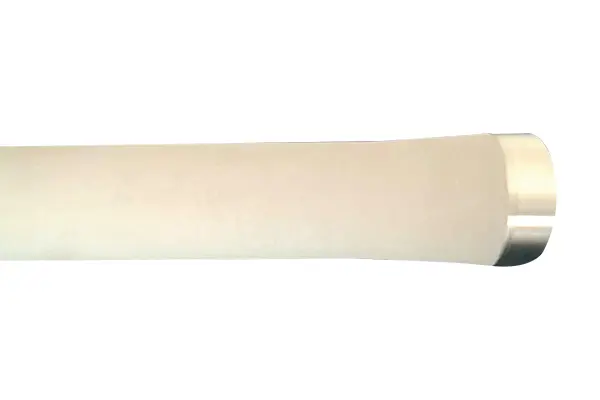
- Shape and Dimensional Flexibility: Manufacturing felts in various forms—sheets, rolls, discs (disco de fieltro de fibra de níquel puro, cylindrical tubes, cones, and complex geometries engineered to fit specific housing designs and operational constraints.
- Multi-layer and Composite Structures: Combining different layers of felt with varying pore sizes or even integrating wire mesh for enhanced mechanical support, creating gradient filtration or specialized separation functions.
- Tratamientos de superficie: Applying specialized coatings or surface modifications to enhance specific properties like hydrophobicity/hydrophilicity, catalytic activity, or anti-fouling characteristics.
Experienced engineering teams work closely with clients to understand their unique process requirements, designing and manufacturing filtros de fieltro de fibra metálica sinterizada that deliver optimal performance and maximize return on investment.
Real-world Application Case Studies
The practical advantages of fieltro de fibra sinterizada are best illustrated through successful deployments in challenging industrial settings.
Case Study 1: Catalyst Recovery in a Petrochemical Plant
A major petrochemical company faced significant losses due to inefficient catalyst recovery from hot, corrosive process streams. Their existing ceramic filters frequently clogged and required high maintenance. A custom-engineered fieltro de fibra sinterizada element, constructed from Hastelloy X fibers with a 5 µm absolute rating, was implemented. The felt's high temperature resistance (up to 950°C) and superior corrosion resistance to chlorides in the stream proved ideal.
- Outcome: Catalyst recovery efficiency increased from 92% to over 99.5%, leading to an estimated annual saving of $1.5 million in catalyst costs. The felt elements demonstrated consistent performance for over 3 years, significantly reducing maintenance downtime by 70% compared to previous solutions.
Case Study 2: Hydrogen Purification for Fuel Cell Applications
A research consortium developing advanced hydrogen fuel cells required a robust, highly permeable, and electrically conductive porous medium for gas diffusion layers. Traditional carbon paper materials showed insufficient corrosion resistance in acidic environments and mechanical fragility during assembly. Titanium fiber felt, specifically a 10 µm pore size variant, was selected for its exceptional properties.
- Outcome: The fieltro de fibra de titanio significantly improved the durability and performance of the fuel cell stack. It provided stable electrochemical performance, excellent current distribution, and sustained structural integrity under operational loads, contributing to a 15% increase in power density and a projected doubling of the fuel cell's lifespan. Customer feedback highlighted its ease of handling and reliable long-term performance.
Preguntas frecuentes (FAQ)
Q1: What is the primary difference between sintered fiber felt and woven mesh filters?
A1: Sintered fiber felt is composed of randomly oriented, ultra-fine fibers sintered together, creating a highly porous, tortuous path structure with excellent dirt-holding capacity and precise, depth filtration capabilities. Woven mesh filters, conversely, have a regular, uniform pore structure and primarily provide surface filtration. Felt offers superior performance in terms of dirt holding, particle retention, and mechanical strength, especially for very fine filtration.
Q2: Can sintered fiber felt filters be cleaned and reused?
A2: Yes, a significant advantage of filtros de fieltro de fibra metálica sinterizada is their regenerability. They can be effectively cleaned using various methods such as backwashing, ultrasonic cleaning, chemical cleaning, or thermal treatment, restoring their original filtration performance and extending their service life considerably, reducing replacement costs and environmental impact.
Q3: What factors should be considered when selecting the right material for sintered fiber felt?
A3: Key considerations include the operating temperature, the corrosiveness of the fluid or gas being filtered (pH, chemical composition), required mechanical strength, electrical conductivity needs (e.g., for fieltro de fibra de titanio in fuel cells), and cost-effectiveness. Our technical team can assist in selecting the optimal alloy for your specific application.
Q4: What are the typical lead times for custom sintered fiber felt products?
A4: Lead times for custom fieltro de fibra sinterizada products vary based on complexity, material availability, and order volume. Typically, standard products might ship within 2-4 weeks, while highly customized solutions could range from 6-12 weeks, including design, prototyping, and rigorous quality assurance. We prioritize clear communication regarding lead times throughout the order process.
Lead Time, Warranty & Customer Support
Lead Time & Fulfillment
We maintain efficient production schedules to ensure timely delivery of all fieltro de fibra sinterizada orders. Standard products are typically available for dispatch within 2-4 weeks, while custom-engineered solutions require a lead time of 6-12 weeks, depending on the complexity of design, material sourcing, and production queue. Our logistics team works diligently to ensure on-time and secure global shipping. Expedited options are available upon request for urgent requirements.
Warranty Commitments
Todos nuestros fieltro de fibra sinterizada products are backed by a comprehensive warranty against manufacturing defects and material failure under specified operating conditions. The standard warranty period is 12-24 months from the date of purchase, reflecting our confidence in the quality and durability of our products. Specific warranty terms may vary based on product type and application, and full details are provided with each order.
Dedicated Customer Support
Our commitment extends beyond product delivery. We provide dedicated technical support and after-sales service to ensure the optimal performance and longevity of your filtro de fieltro de fibra metálica sinterizada solutions. Our team of experienced engineers is available for application consultation, troubleshooting, and guidance on product selection, installation, and maintenance, including best practices for cleaning and regeneration. We are committed to fostering long-term partnerships through exceptional service and support.
Conclusión
Sintered fiber felt stands as a testament to advanced material engineering, offering unparalleled performance in critical filtration, fluidization, and thermal management applications. Its unique combination of high porosity, precise filtration, exceptional corrosion and high-temperature resistance, and regenerability makes it an economically and environmentally superior choice for demanding industrial environments. As industries evolve and challenges become more complex, the role of custom-engineered solutions based on fieltro de fibra sinterizada technology will continue to expand, driving efficiency, purity, and sustainability across global operations. Partnering with an experienced manufacturer ensures access to cutting-edge technology and tailored solutions that deliver tangible value.
Referencias
- ASTM International. (2018). ASTM F316-18, Standard Test Methods for Pore Size Characteristics of Membrane Filters by Bubble Point and Mean Flow Pore Test.
- ISO 2942:2018. (2018). Hydraulic fluid power — Filter elements — Verification of fabrication integrity and determination of the first bubble point. International Organization for Standardization.
- Fan, L. S., & Zhu, C. (1998). Principles of Gas-Solid Flows. Cambridge University Press.
- Journal of Porous Materials. (Various issues). Springer.
- Separation and Purification Technology. (Various issues). Elsevier.
Post Time: Sep . 29, 2025 15:26