Industrial Self-Cleaning Filter: A Comprehensive Guide
In many industrial processes, maintaining fluid purity is crucial for efficient operation and product quality. Industrial self-cleaning filters provide a reliable and cost-effective solution for continuous filtration, minimizing downtime and reducing maintenance costs. This article will explore the benefits, applications, types, and key considerations when selecting a self-cleaning filter for your specific needs. Choosing the right filtration system is a critical investment that directly impacts your operational efficiency.
What are Industrial Self-Cleaning Filters?
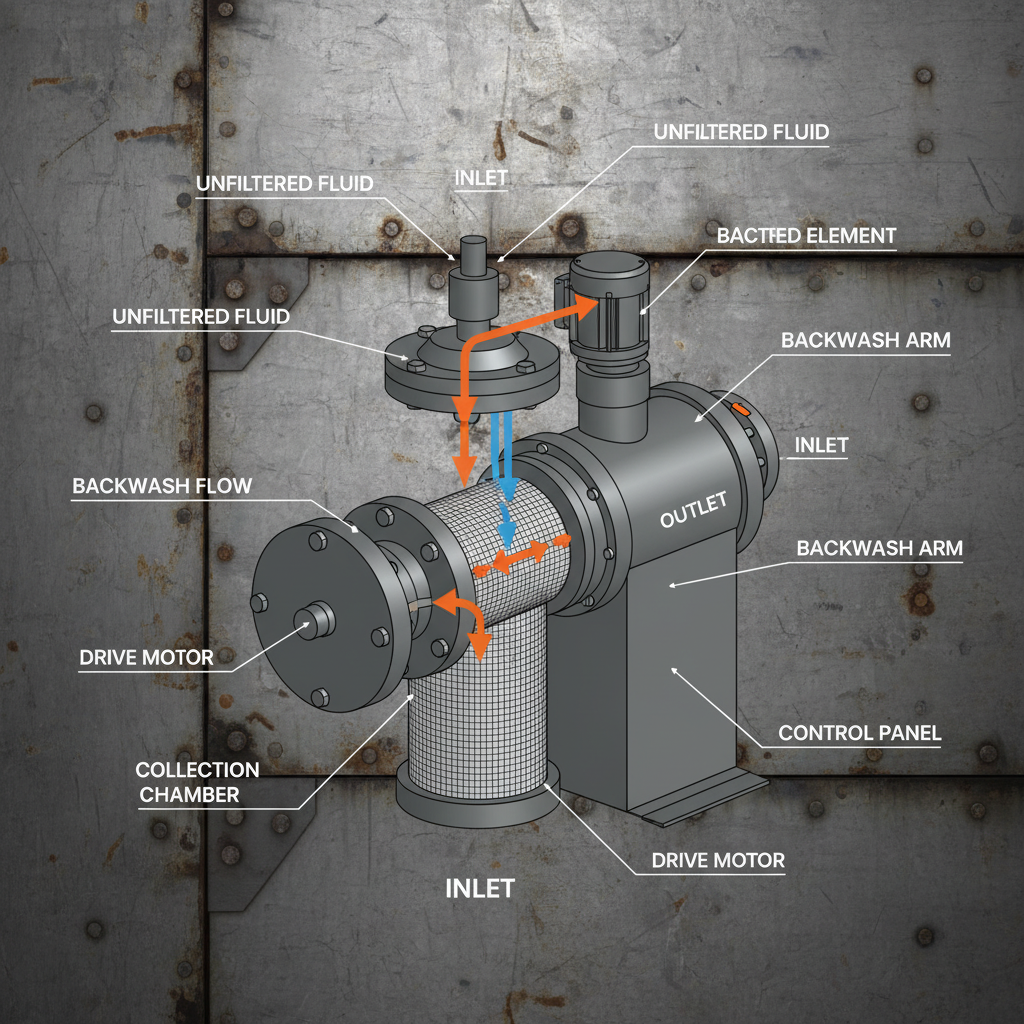
Industrial self-cleaning filters are automated filtration systems designed to remove particulate matter from liquids or gases without interrupting the process flow. Unlike manual filters that require regular shutdowns for cleaning or replacement, self-cleaning filters continuously operate, backwashing to remove accumulated contaminants. This backwashing process is typically initiated by a pressure differential, a timer, or a programmable logic controller (PLC). This leads to significant savings in both labor and materials, and a reduction in overall process downtime.
Key Benefits: Reduced downtime, lower maintenance costs, continuous operation, consistent product quality, and automated operation.
Applications of Self-Cleaning Filters
The versatility of industrial self-cleaning filters means they are used across a broad spectrum of industries. Common applications include:
- Water & Wastewater Treatment: Removing solids from incoming water sources and polishing effluent.
- Chemical Processing: Protecting downstream equipment from damage caused by particulates.
- Food & Beverage: Ensuring product purity and meeting stringent hygiene standards.
- Oil & Gas: Filtering produced water and protecting pipelines.
- Pulp & Paper: Removing debris and improving paper quality.
- Pharmaceuticals: Maintaining sterile filtration processes.
Types of Industrial Self-Cleaning Filters
Several types of self-cleaning filters cater to different application requirements. Here are some of the most common:
- Automatic Backwashing Filters: Utilize a backwash cycle to remove accumulated solids from the filter element.
- Rotating Brush Filters: Employ rotating brushes to sweep contaminants off the filter surface.
- Hydrocyclone Filters: Use centrifugal force to separate solids from liquids.
- Scraper Filters: Utilize a scraper blade to remove solids from the filter surface.
- Media Filters: Employ a porous media bed which is periodically backwashed
Comparing Filter Types: Performance and Cost
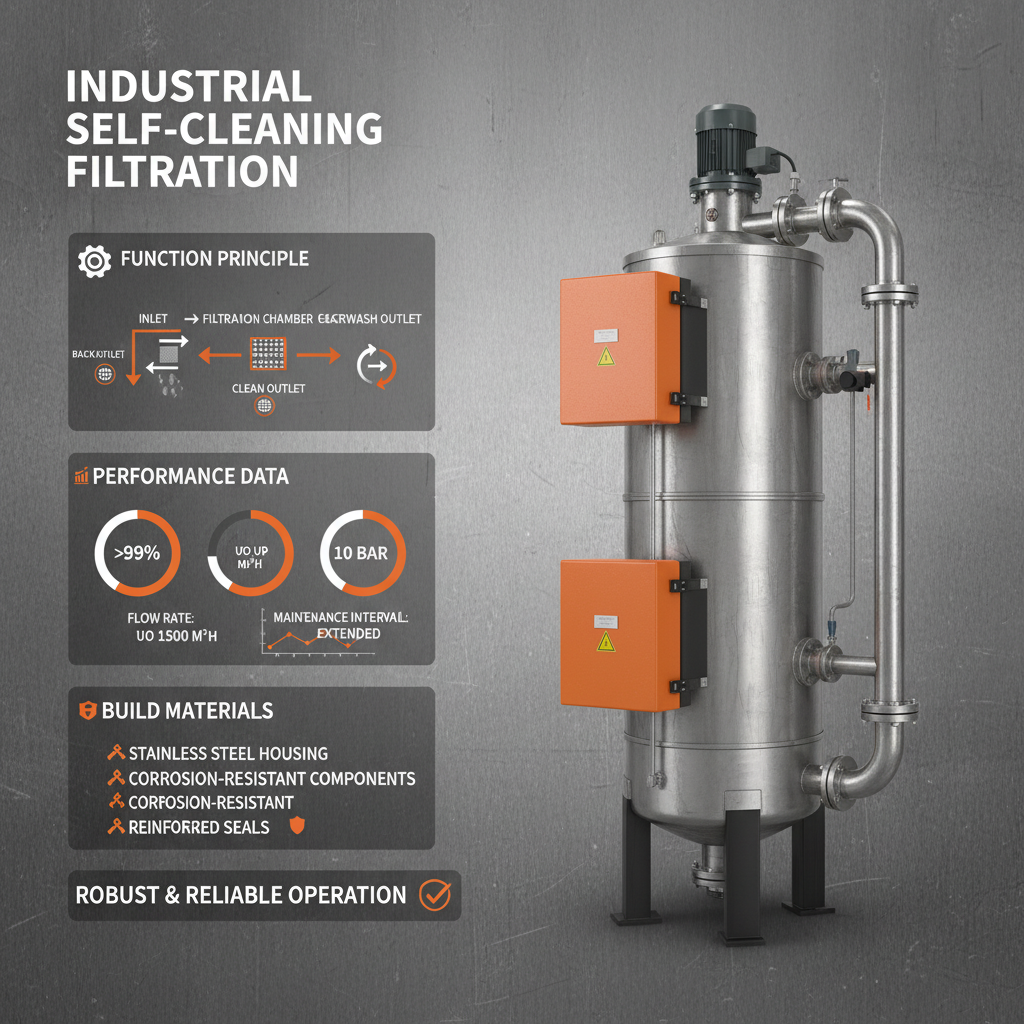
Selecting the appropriate filter type depends on several factors, including the nature of the contaminants, the flow rate, and the desired level of filtration. Here’s a comparison of some common options:
Key Considerations When Selecting a Self-Cleaning Filter
Choosing the right self-cleaning filter requires careful consideration of several factors:
- Flow Rate: The filter must be able to handle the maximum flow rate of your system.
- Contaminant Type & Size: The filter's micron rating should be appropriate for the size of the particles you need to remove.
- Fluid Compatibility: Ensure the filter materials are compatible with the fluid being filtered.
- Operating Pressure: The filter must be able to withstand the operating pressure of your system.
- Maintenance Requirements: Consider the ease of maintenance and the availability of spare parts.
Explore our range of industrial self-cleaning filters to find the perfect solution for your application.
Conclusion
Investing in an industrial self-cleaning filter is a strategic decision that can significantly improve your operational efficiency, reduce costs, and enhance product quality. By understanding the different types of filters available and carefully considering your specific application requirements, you can select the optimal solution for your needs.
Frequently Asked Questions (FAQs)
What is the typical payback period for a self-cleaning filter?
The payback period varies depending on the application and the cost of the filter system, but typically ranges from 6 months to 2 years. The savings from reduced labor costs, decreased downtime, and improved product quality often outweigh the initial investment. By eliminating the need for frequent manual cleaning or filter replacements, self-cleaning filters provide a significant return on investment.
What maintenance is required for self-cleaning filters?
While self-cleaning filters require less maintenance than manual filters, periodic inspections and maintenance are still necessary. This includes checking the backwash system, inspecting the filter element for damage, and verifying the proper operation of the controller. Regular maintenance ensures optimal performance and extends the lifespan of the filter.
Can self-cleaning filters handle high viscosity fluids?
Some self-cleaning filter types are specifically designed to handle high viscosity fluids. For instance, scraper filters are well-suited for viscous liquids as they efficiently remove buildup from the filter surface. It's crucial to select a filter type and materials that are compatible with the fluid's viscosity and chemical properties. Consult with a filtration specialist to ensure you choose the correct filter for your specific application.
Post Time: Mar . 19, 2026 02:45