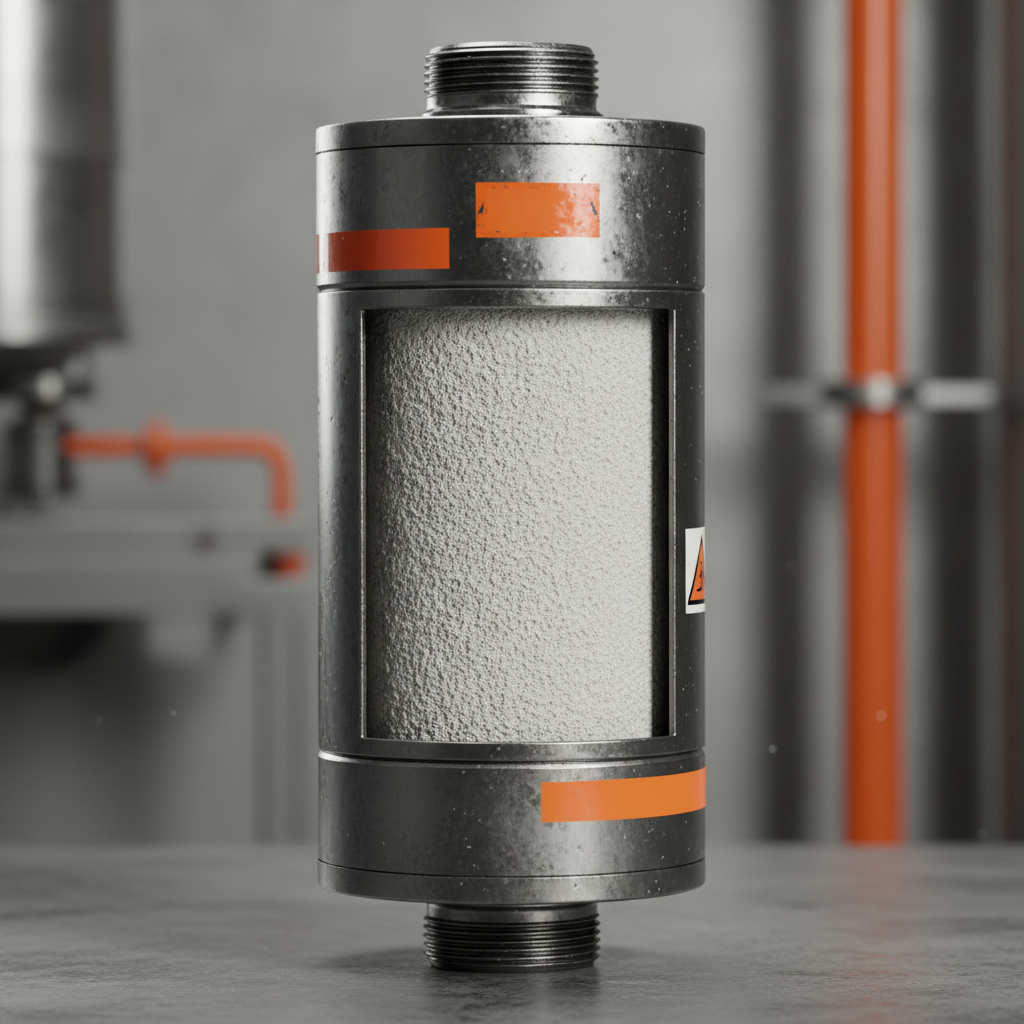
Understanding the Sterile Syringe Filter: Why It Matters Globally
To put it simply, a sterile syringe filter is a small but critical component in many medical, laboratory, and industrial settings. Oddly enough, it’s one of those unsung heroes that most people never think about but whose role is crucial in ensuring safety and purity in fluid handling. Frankly, in a world where contamination can cause huge setbacks—from failed experiments to life-threatening infections—grasping the importance of sterile syringe filters is, well, more than just academic. Globally, these filters help protect millions by preventing pathogens or particulates from entering sensitive processes or equipment.
In this article, we’ll dive into what sterile syringe filters are, their core attributes, and how they’re applied worldwide. Plus, we’ll peek into challenges and innovations shaping their future. If you’ve ever wondered how lab technicians and health professionals keep their processes clean, you’re in the right spot.
Introduction: Global Context of Sterile Syringe Filters
The sterile syringe filter isn’t just a tiny piece of plastic and membrane—it’s a vital control point in global health and industry. According to the World Health Organization (WHO), ensuring sterile medical supplies reduces hospital-acquired infections by up to 70%. Additionally, the global membrane filters market, which includes syringe filters, is projected to grow at a compound annual growth rate (CAGR) of around 7.8% through 2027 (source: MarketsandMarkets).
The challenge lies in preventing contamination while dealing with increasing complexity and demand in healthcare, pharmaceuticals, biotechnologies, and environmental monitoring. Whether it’s filtering a vaccine sample or a water test fluid, the stakes are high. This is why sterile syringe filters are fundamental in safeguarding product purity and patient safety worldwide.
What is a Sterile Syringe Filter?
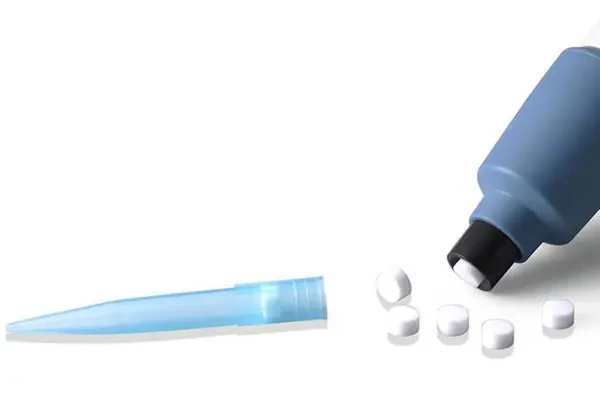
Put simply, a sterile syringe filter is a device attached to the tip of a syringe to remove bacteria, fungi, or particulate matter from liquids before injection or analysis. These filters use specialized membranes—like PTFE, Nylon, or PVDF—that trap unwanted contaminants with pore sizes often as small as 0.22 microns.
Sterility means no viable microorganisms pass through the membrane, and the whole assembly is packaged to remain contamination-free until use. This makes these filters indispensable in biomedical procedures, chemical labs, and even food and environmental testing sectors.
Key Factors of Sterile Syringe Filters
1. Membrane Material
The choice of membrane—be it hydrophilic Nylon for aqueous solutions or hydrophobic PTFE for solvents—affects what fluids the filter can handle and how effective it is against various contaminants.
2. Pore Size
Usually between 0.2 to 0.45 microns, the pore size determines filter efficiency. For sterile filtration, 0.22 microns is the standard to block bacteria, ensuring valid sterilization according to ISO 13408.
3. Compatibility & Chemical Resistance
Filters must withstand the specific solvents or fluids they’re filtering without degradation. This ensures no leaching or breakdown occurs during use.
4. Durability & Flow Rate
Balancing filtration speed with the integrity of contaminants trapped is a design challenge. Filters have to be thin and effective but also resist failure under pressure.
5. Sterilization Method
Commonly gamma-irradiated or autoclaved, sterilization preserves filter functionality while certifying safety.
Product Specifications at a Glance
| Specification | Details |
|---|---|
| Membrane Types | PTFE, Nylon, PVDF, Cellulose Acetate |
| Pore Size | 0.22 µm (standard), 0.45 µm (others) |
| Filter Diameter | 13mm, 25mm, 33mm options |
| Sterilization | Gamma irradiation, Autoclave |
| Maximum Pressure | Up to 3 bar (varies by model) |
Mini takeaway: Picking the right sterile syringe filter requires attention to membrane compatibility, pore size, and sterilization methods to suit your specific application.
Where and How Are Sterile Syringe Filters Used Globally?
These filters find homes in diverse contexts worldwide. In hospitals and clinics, they ensure injections are free from harmful microbes. Pharmaceutical companies rely on them to purify drug solutions before packaging. In environmental science, filters help monitor water quality by removing debris that could interfere with detection.
Regions with less-developed infrastructure often depend on medically sterile syringe filters during immunization drives and emergency relief operations, where preventing contamination can be a game changer for vulnerable populations.
Let’s not forget research labs—right across Europe, Asia, and North America—using these filters to maintain experimental integrity. Even food safety testing benefits from sterile filtration.
Vendor Comparison: Leading Sterile Syringe Filter Manufacturers
| Vendor | Membrane Options | Sterilization Method | Price Range (per 100 pcs) | Notable Features |
|---|---|---|---|---|
| China Porous Filters Co. | PTFE, Nylon, PVDF | Gamma Irradiation | $150 - $200 | Customization, bulk availability |
| MilliporeSigma | Nylon, PTFE, CA | Autoclave, Gamma | $250 - $350 | High consistency, wide distribution |
| Sartorius | PVDF, PTFE | Gamma Irradiation | $300 - $400 | Premium grade, precise manufacturing |
Mini takeaway: When choosing suppliers, consider membrane types, sterilization processes, price sensitivity, and bulk order needs—all key to matching your project’s scope.
Advantages and Long-Term Value
The advantages of sterile syringe filters stretch beyond pure utility. Yes, they physically block contamination, but they also provide peace of mind—a priceless commodity in healthcare and research. Cost-wise, using these filters prevents expensive reworks, contamination-related recalls, or worse, patient harm.
From a social perspective, they support dignified healthcare even in low-resource environments by enabling safe injections, immunizations, and diagnostics. Innovatively, ongoing improvements in membrane materials mean filters are becoming more eco-friendly and efficient.
Looking Ahead: Future Trends & Innovations
There’s a definite movement toward sustainable membranes made from biodegradable materials. Digital innovations are enabling “smart filters” that can signal saturation or clogging electronically—a boon for complex manufacturing operations.
Automation of quality testing and integration with Industry 4.0 processes means sterile syringe filters won’t just be passive tools; they’ll be part of an intelligent supply chain to enhance drug safety and environmental monitoring.
Challenges and Solutions
Of course, there are challenges. For example, filter clogging can slow down workflows, and chemical incompatibility can cause membrane failure. However, advances in membrane coatings and hybrid materials are mitigating these issues.
Moreover, supply chain disruptions—like we saw recently worldwide—highlight the importance of reliable vendor partnerships and on-demand manufacturing capabilities.
FAQ: Sterile Syringe Filter Essentials
Q1: How do I choose the right pore size for my sterile syringe filter?
Typically, 0.22 µm pore size is recommended for bacterial sterilization as it blocks most microorganisms. However, for filtering larger particles or non-sterile filtration, a 0.45 µm might be appropriate. Match the pore size to your fluid and contamination concern.
Q2: Can I reuse sterile syringe filters?
No. These filters are designed for single use only to maintain sterility and integrity. Reuse risks contamination and membrane damage.
Q3: Are sterile syringe filters compatible with all solvents?
Not exactly. Compatibility depends on the membrane type. For example, PTFE membranes handle many solvents well, while Nylon is better suited for aqueous solutions. Always check the chemical resistance chart of the filter membrane.
Q4: How are sterile syringe filters sterilized?
Common methods include gamma irradiation and autoclaving. These ensure the filter is free from viable microorganisms before packaging and use.
Q5: Where can I buy sterile syringe filters in bulk?
Suppliers like China Porous Filters offer bulk purchasing options with customization available for large orders—helpful in scaling operations affordably.
Conclusion: The Essential Role of Sterile Syringe Filters
In real terms, sterile syringe filters are more than just convenient gadgets; they form a cornerstone of modern sterile practice across healthcare, research, and industry worldwide. Their ability to reliably separate contaminants safeguards health, supports innovation, and drives sustainable progress. Of course, choosing the right filter supplier and specifications is vital. To explore your options and learn more, visit our website: China Porous Filters.
Ultimately, these little filters embody a big promise: safety through precision.
References
Post Time: Dec . 02, 2025 14:20