Understanding Plastic Filter: A Key to Cleaner Industrial and Environmental Solutions
Plastic filters play a surprisingly pivotal role across numerous industries worldwide, though they often operate quietly behind the scenes. With growing concerns around pollution, manufacturing efficiency, and safety, the humble plastic filter is more relevant than ever. Simply put, these filters are designed to separate contaminants from air, water, or liquids, ensuring cleaner outputs that benefit public health, ecosystems, and industrial processes.
Grasping what makes plastic filters essential helps industries comply with environmental standards, improve product quality, and advance sustainable practices. Today, I’ll walk you through what plastic filters are, how they work globally, their types, uses, challenges, and where the future of filtration is heading.
Plastic Filter: A Global Industry Perspective
Worldwide, filters remove pollutants and particles that would otherwise harm human health or equipment integrity. According to the International Organization for Standardization, standardized filtration ensures consistency in industries as varied as pharmaceuticals, food processing, and water treatment. Plastic filters particularly contribute due to their versatility, lightweight nature, and cost-effectiveness.
Consider this: The global market for filtration systems was valued at over $60 billion in 2023 and is expected to grow steadily (source: World Bank). This demand mirrors the increasing push for cleaner manufacturing and water purification—especially in densely populated or developing areas where resources are strained.
For instance, in Southeast Asia, plastic filters are integral to water treatment plants ensuring safe drinking water in rapidly urbanizing cities. In industrial zones of Europe and North America, they protect sensitive machinery from airborne dust or chemical particulates, reducing downtime and costly repairs. Clearly, the challenge of pollution and contamination at various scales needs practical solutions like plastic filters.
What Exactly Is a Plastic Filter?
At its core, a plastic filter is any filtration medium made primarily from synthetic polymers that separate unwanted particles from fluids (liquids or gases). Unlike metal or glass filters, plastic filters benefit from flexibility, corrosion resistance, and easy customization in shape and porosity.
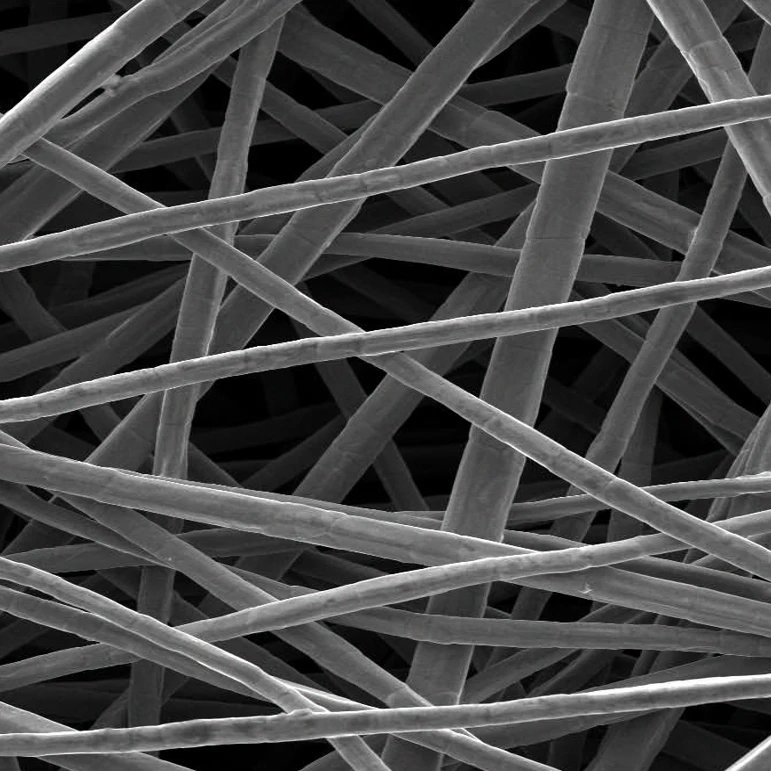
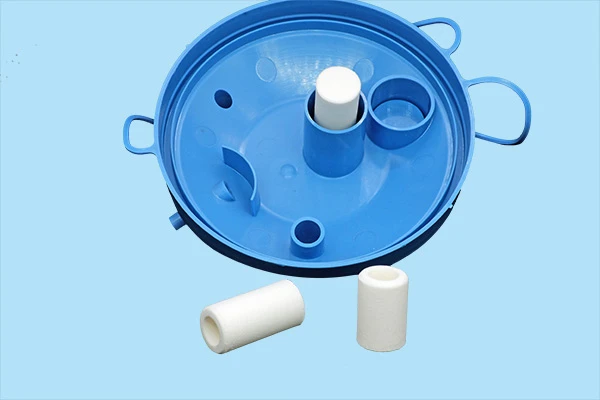
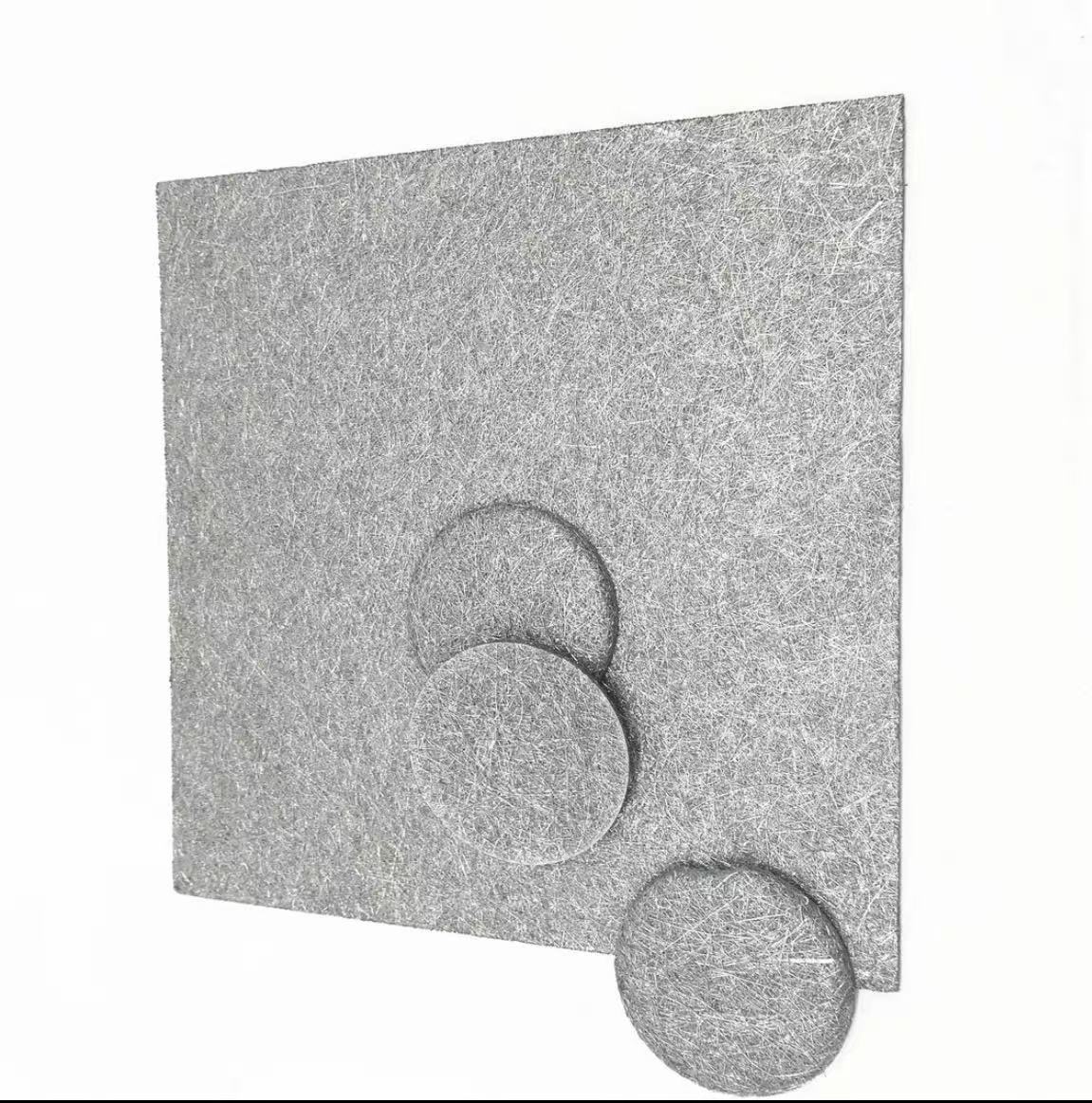
These filters come in forms like porous plastic membranes, sintered plastic granules, or fiber mats. Their ability to reject contaminants while allowing necessary flows makes them especially useful where weight, chemical compatibility, or cost is a concern.
In modern industries, plastic filters are linked tightly to critical processes such as:
- Manufacturing electronics, where dust particles must be eliminated to prevent defects
- Food and beverage safety, removing impurities from liquids without changing taste
- Humanitarian water purification, especially in remote or disaster-hit regions
Oddly enough, these small pieces of engineered plastic quietly contribute to everything from our morning coffee’s clarity to lifesaving clean water.
Core Components and Key Factors of Plastic Filters
1. Durability
Plastic filters are tough. Their resistance to chemical corrosion and impact ensures long service lives, especially in aggressive environments where metallic filters fail.
2. Scalability
From tiny filters in medical devices to large panels in water treatment plants, plastic filters scale easily without losing efficiency, thanks to the adaptability of plastics manufacturing techniques.
3. Cost Efficiency
Plastic materials reduce production costs dramatically, especially compared to metals or ceramics, making filters affordable for widespread industrial and consumer use.
4. Customizability
Plastics can be molded into complex geometries and customized porosity, allowing filters tailored for specific particle sizes or flow rates.
5. Environmental Compatibility
Advancements in bio-based and recyclable plastics provide sustainability angles that traditional filter materials can't match, aligning plastic filters with green industry goals.
Mini Takeaway
Plastic filters combine resilience, affordability, and flexibility—qualities vital for broad industrial and environmental applications.
Product Specification: Common Plastic Filter Types
| Filter Type | Material | Pore Size Range | Typical Applications | Max Temperature |
|---|---|---|---|---|
| Sintered Plastic Membrane | Polypropylene (PP), Polyethylene (PE) | 0.1 – 50 microns | Water purification, gas filtration | 80°C (PP), 100°C (PE) |
| Porous Plastic Fiber Filter | Polyvinylidene fluoride (PVDF) | 0.01 – 10 microns | Pharmaceutical, electronics | 150°C |
| Foamed Plastic Filter | Polyurethane (PU) | 50 – 1000 microns | Air filtration, acoustic insulation | 70°C |
Global Applications and Real-World Use Cases
Plastic filters find themselves at the heart of some surprisingly critical efforts worldwide. For example:
- Water Treatment in Developing Countries: Organizations partnering with local governments use plastic filters in plastic filter cartridges to provide affordable, portable purification—crucial after floods or droughts.
- Industrial Manufacturing: In automotive and electronics plants in Germany and South Korea, plastic filters reduce particulate contamination, enhancing product reliability.
- Disaster Relief Operations: In emergency shelters deployed following earthquakes, plastic filter systems clean water onsite, allowing displaced families access to safe hydration quickly.
- Food & Beverage Industry: Breweries and dairies run filters made from plastic media to maintain strict hygiene without expensive maintenance.
Mini Takeaway
The versatility of plastic filters spans geographies and sectors—from remote villages to advanced manufacturing hubs.
Advantages and Long-Term Value of Plastic Filters
Tangible benefits resonate both emotionally and rationally. Cost reduction obviously helps businesses stick around, but more than that, plastic filters offer:
- Sustainability: Their resistance to corrosion means fewer replacements, and emerging bio-plastic options promise circular economy benefits.
- Reliability: Robust design minimizes downtime related to filter failure, building trust in critical applications.
- Safety & Dignity: For humanitarian efforts, these filters provide clean water, directly impacting health and restoring human dignity.
- Innovation: Customizable plastic filters enable designers to meet otherwise tough filtration challenges, fostering new industry growth.
Future Trends and Innovations
Tech-wise, plastic filters are evolving faster than you might guess. Current research is focusing on:
- Green Materials: Biodegradable plastics and recycled polymers reduce environmental footprints dramatically.
- Smart Filters: Embedded sensors monitoring clogging or contamination levels enable predictive maintenance—a game-changer for industry.
- Nanotechnology: Nano-coated plastic filters improve filtration precision at molecular levels, ideal for pharmaceutical and microelectronics.
These trends align squarely with global sustainability goals, such as those defined by the United Nations Sustainable Development Goals (SDGs), particularly clean water and industry innovation.
Challenges & Solutions in Plastic Filter Usage
Of course, no technology is perfect. Common constraints include:
- Temperature Limitations: Some plastic filters can degrade under high heat compared to metal alternatives.
- Disposal Concerns: Without recycling, plastic waste from used filters can contribute to pollution.
- Performance Trade-offs: Achieving both high flow rates and fine filtration simultaneously is tricky.
Experts suggest solutions focusing on innovative materials like high-temperature resistant polymers, improving waste collection programs, and hybrid filter designs combining plastics with ceramic or metal layers.
Vendor Comparison: Leading Plastic Filter Manufacturers
| Vendor | Material Expertise | Custom Options | Market Focus | Sustainability Efforts |
|---|---|---|---|---|
| PorousTech Co. | PP, PVDF | Wide range with rapid prototyping | Industrial filtration, pharma | Recycled plastics initiatives |
| ClearFlow Filters | PU, PE | Standard product lines, some customization | Food & beverage, municipal water | Focus on energy-efficient production |
| EcoFilter Systems | Bio-based polymers | Tailored design for green projects | Environmental NGOs, disaster relief | Zero-waste manufacturing |
Frequently Asked Questions About Plastic Filter
Q1: How durable are plastic filters compared to traditional metal ones?
A1: Plastic filters typically resist corrosion and impact better than many metals but may have lower maximum temperature limits. For many applications, they offer longer service lives and require less maintenance, especially in chemically aggressive environments.
Q2: Can plastic filters be recycled or reused?
A2: Recycling depends on the polymer type and local facilities. Efforts to develop bio-based and recyclable plastic filters are underway, improving sustainability. Reuse is possible if carefully cleaned and if filter integrity remains intact.
Q3: What industries benefit the most from plastic filters?
A3: Industries such as pharmaceuticals, food and beverage, water treatment, electronics manufacturing, and humanitarian relief all leverage plastic filters for their affordability, efficiency, and chemical resistance.
Q4: Are plastic filters suitable for high-temperature industrial processes?
A4: Some plastics like PVDF resist moderate heat (~150°C), but for very high temperatures, metals or ceramics may be better. Hybrid designs incorporating plastic and metal are sometimes used to balance performance and cost.
Q5: How can organizations source quality plastic filters for specialized needs?
A5: Sourcing from experienced manufacturers offering customization and certifications (such as ISO 9001) is key. Partners like plastic filter producers with global reach are reliable options.
Conclusion: The Lasting Impact of Plastic Filters
In sum, plastic filters represent a quietly vital technology with a massive global footprint. Their combination of durability, flexibility, and cost advantages powers everything from daily comforts to life-saving purification systems. While challenges in sustainability and extreme conditions endure, ongoing innovations promise an even brighter, cleaner future for these indispensable tools.
If these insights resonate, I encourage you to explore further at plastic filter suppliers who can tailor solutions specific to your industry’s needs.
Sometimes, it feels like the world turns on little things like a plastic filter—unseen but endlessly shaping our quality of life.
References & Further Reading
Post Time: Dec . 02, 2025 06:20