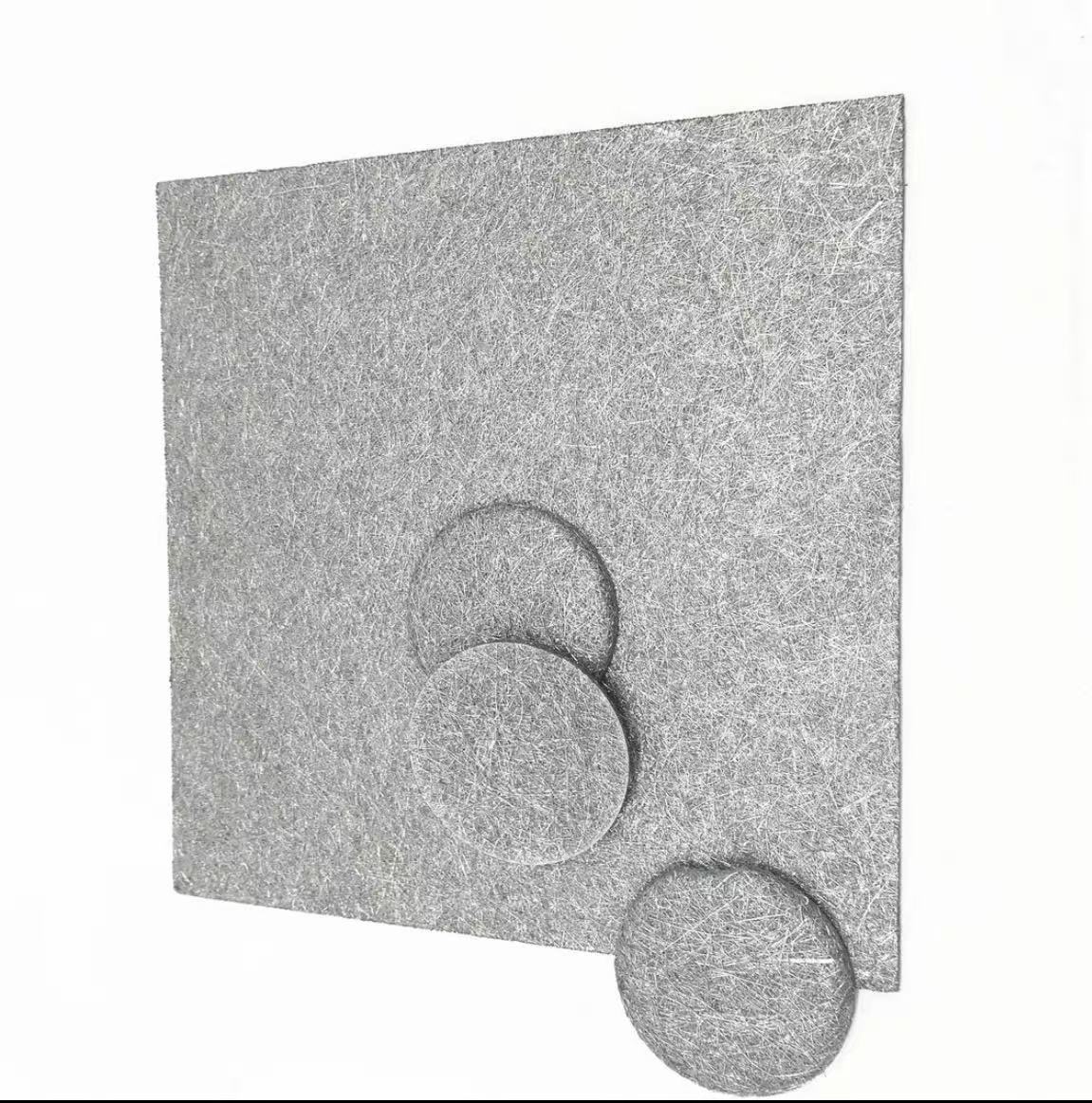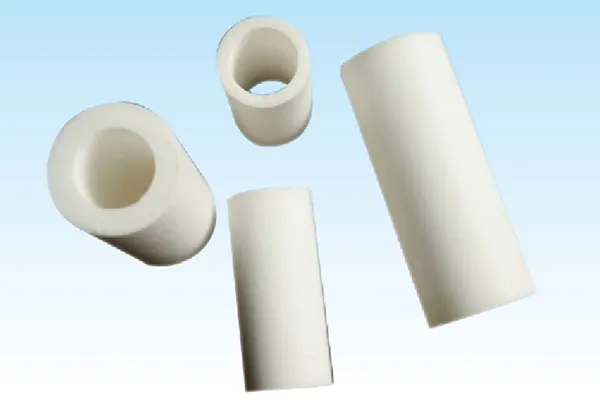
sintered metal filter plate: A Vital Component in Modern Filtration
In today's interconnected industrial landscape, the sintered metal filter plate has quietly become a cornerstone in filtration technology. It’s a product that often goes unnoticed outside specialist circles but has a profound global impact — from ensuring clean water supply to safeguarding sophisticated manufacturing operations. Understanding it is key not just for engineers or procurement professionals but anyone curious about how small components uphold large-scale sustainability and efficiency goals worldwide.
Why the Focus on Sintered Metal Filter Plates?
The world faces mounting environmental and industrial challenges. Population growth, industrial expansion, and tightening regulations require filtration solutions that are both robust and sustainable. According to the International Organization for Standardization (ISO), improved filtration efficiency is critical for reducing waterborne contaminants and industrial pollutants. The sintered metal filter plate offers unique advantages that address some of these challenges head-on — combining durability and precision in filtering solids, liquids, and gases.
In short, it matters globally because it helps industries comply with environmental standards, protect equipment, and ensure safer, cleaner operations—this is something global organizations and governments alike recognize as priorities.
Definition & Meaning
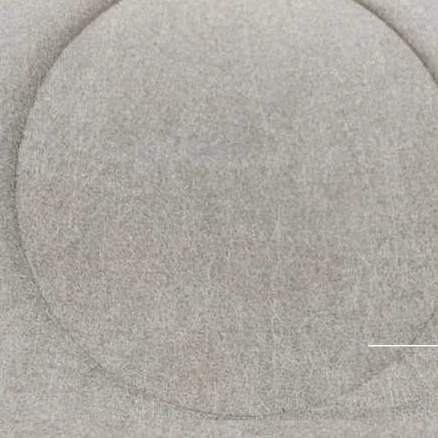
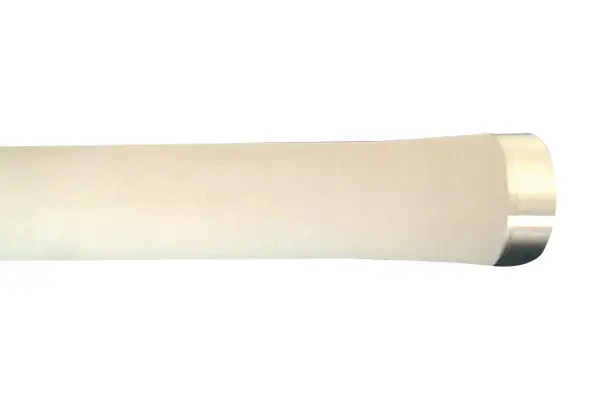
Put simply, a sintered metal filter plate is a porous metal component created by fusing tiny metal powders under heat and pressure. This process, called sintering, produces a rigid plate with microscopic pores that can trap particulate matter while allowing fluids or gases to pass through.
Unlike conventional filters that might rely on synthetic fibers or woven meshes, these plates boast superior mechanical strength and temperature resistance. In industries ranging from chemical processing to water treatment, the sintered metal filter plate plays a critical role in delivering precise filtration where contamination control and longevity are non-negotiable.
Key Factors & Core Components
1. Durability
The sintering process creates an interlocked metal matrix, allowing these filters to withstand harsh operating conditions—corrosion, pressure fluctuations, and extreme temperatures. For example, stainless steel sintered plates can last years where polymer filters would degrade quickly.
2. Filtration Precision
Depending on the metal powder size and sintering parameters, pore sizes can be tightly controlled (sometimes down to the micron or sub-micron level). This flexibility lets engineers tailor filtration to remove anything from coarse sediments to fine particulates, critical in chemical manufacturing or pharmaceutical applications.
3. Scalability & Customization
These filters come in various sizes and thicknesses, making them adaptable for everything from small bench-scale equipment to massive industrial systems. Custom sintered plates can also be shaped or layered to enhance filter performance.
4. Cost Efficiency Over Time
While initial costs might be higher than disposable filters, their longevity reduces total operating expenses. They can be cleaned and reused multiple times, which speaks volumes in industries keen on cutting waste and operational downtime.
5. Environmental Resistance
Beyond temperature and corrosion resistance, these plates can handle aggressive solvents, acids, or alkaline fluids—offering exceptional performance where traditional materials fail.
Global Applications & Use Cases
Oddly enough, despite their technical nature, sintered metal filter plates find homes in very diverse settings. Consider the large-scale water treatment plants of Europe, where removing fine pollutants ensures clean urban water. In the oil and gas sector of the Middle East, they help separate particulates during extraction to maintain equipment longevity. Also, in post-disaster humanitarian operations, mobile filtration units equipped with sintered plates provide clean water sources quickly, vital for community health.
Regions with heavy industrialization, like Southeast Asia and North America, rely on these filters for making chemicals, pharmaceuticals, and even food products to stringent quality standards.
Advantages & Long-Term Value
- Sustainability: Reusability reduces waste compared to disposable filters.
- Reliability: Consistent performance under demanding conditions safeguards production lines.
- Cost Savings: Lower replacement frequency reduces downtime and purchasing costs.
- Safety & Dignity: Clean water and air support human health, crucial in both urban and remote areas.
- Innovation: Enables new industrial processes by providing fine filtration options where none were feasible before.
Put plainly, the value is equal parts practical and ethical. Industries trust these filter plates because they deliver tangible results — not just for profit but for societal well-being.
Product Specification Table
| Specification | Details |
|---|---|
| Material | Stainless Steel (304, 316L), Bronze alloys |
| Pore Size Range | 0.5 - 50 microns (customizable) |
| Thickness | 1 - 10 mm (optional layering) |
| Operating Temperature | -200°C to 600°C (dependent on metal) |
| Max Pressure | Up to 25 bar (varies by design) |
| Dimensions | Custom sizes up to 1000 x 1000 mm |
Vendor Comparison Table
| Vendor | Material Options | Customization | Typical Lead Time | Certification |
|---|---|---|---|---|
| China Porous Filters | Stainless Steel 304/316L, Bronze | Full custom pore and size options | 2-4 weeks | ISO 9001, CE |
| EuropeanMetalFilters | Stainless Steel 316 | Standard sizes, limited pore control | 3-5 weeks | ISO 14001 |
| Industrial Filter Co. | Bronze, Nickel alloys | Moderate customization | 4-6 weeks | CE, RoHS |
Future Trends & Innovations
In thinking ahead, the filtration field is integrating with digital technology and green manufacturing. Smart sintered metal filter plates embedded with sensors can now provide real-time data on clogging and filtration efficiency—cutting downtime dramatically. Furthermore, research is ongoing into alternative, more eco-friendly metal powders and sintering techniques that consume less energy. Oddly enough, additive manufacturing (3D printing) is beginning to influence how custom porous filters are built, pushing the boundaries of complex shapes and graded porosities.
Challenges & Solutions
Yet, not all is seamless. Cost barriers for smaller businesses sometimes limit adoption, and thoroughly cleaning intricate porous structures isn't always easy. However, advances in ultrasonic cleaning and customized maintenance programs are making a difference. Additionally, global supply chain disruptions have encouraged companies to seek local suppliers or diversified inventory strategies, ensuring steady access.
FAQ: Frequently Asked Questions About Sintered Metal Filter Plates
- What industries benefit most from sintered metal filter plates?
Industries like chemical processing, water treatment, pharmaceuticals, and oil & gas rely heavily on these filters due to their durability and precise filtration capabilities. - Can sintered metal filter plates be cleaned and reused?
Absolutely. One of their major advantages is the ability to undergo cleaning processes such as backflushing or ultrasonic cleaning, extending their service life. - Are sintered metal filter plates customizable?
Yes, manufacturers can tailor pore sizes, thicknesses, and shapes to fit specialized filtration needs. - How do I choose the right pore size?
It depends on the application and particle size to be filtered; consulting with a filtration expert or vendor can help determine the best specification. - Is sourcing sintered metal filter plates internationally complicated?
While logistics can be complex, many suppliers—including our recommended sintered metal filter plate manufacturers—offer global shipping and support, simplifying import/export processes.
Conclusion
To sum up, the sintered metal filter plate is a quietly powerful technology that offers durability, precision, and sustainability across numerous industries. As environmental standards rise and industries innovate, these filter plates will only grow more vital. If your business or project could benefit from high-quality, customizable filtration components, I highly recommend exploring options from trusted vendors, including sintered metal filter plate specialists. They fuse advanced technology with practical benefits you can count on.
A wise investment in robust filtration pays dividends in operational reliability and environmental stewardship — pretty impressive for something that can fit right into a machine casing.
Post Time: Dec . 03, 2025 12:56