Why the Metal Powder Filter Tube Matters More Than Ever
In a world increasingly relying on clean, reliable industrial filtration systems, the metal powder filter tube emerges as a quiet workhorse. It’s not just a piece of metal engineering; it’s a linchpin in processes that purify air, water, and countless fluids critical to industries from automotive manufacturing to humanitarian aid. With global concerns over pollution, resource scarcity, and sustainable manufacturing, understanding these filters means appreciating how microscopic metal powders and smart design shape our safer, cleaner future.
Frankly, the role of metal powder filter tubes may sound mundane, but the global impact is anything but. According to ISO standards on filtration (ISO 16890), efficient particulate removal has been key in reducing industrial emissions by nearly 20% worldwide in the last decade. That’s a big deal considering the urgent global push towards cleaner industries and responsible manufacturing practices.
Mini takeaway: The metal powder filter tube is a crucial piece in the puzzle of sustainability and industrial purification, underpinning efforts that touch everything from factory floors to emergency relief camps.
The Global Context: Why Metal Powder Filter Tubes Are Industry Staples
The story starts at a bigger scale. Industries worldwide generate billions of cubic meters of contaminated gases and fluids yearly, be it chemical plants in Europe, mining sites in South America, or pharmaceutical zones in Asia. WHO estimates show that air pollution alone contributes to 7 million premature deaths per year globally, partly fueled by inefficient filtration. Enter the metal powder filter tube, which cuts through these challenges by filtering particulates and impurities with efficiency and durability.
Oddly enough, while plastic or ceramic filters have their place, metal powder variants withstand higher temperatures, resist corrosion, and can be cleaned or regenerated, which means less waste and downtime. That’s why manufacturing hubs across continents depend on them for critical processes.
Definition in Plain Terms
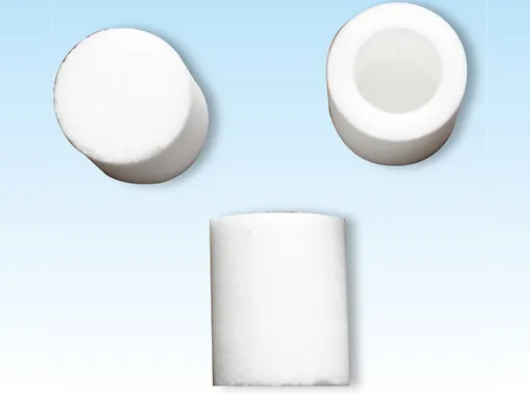
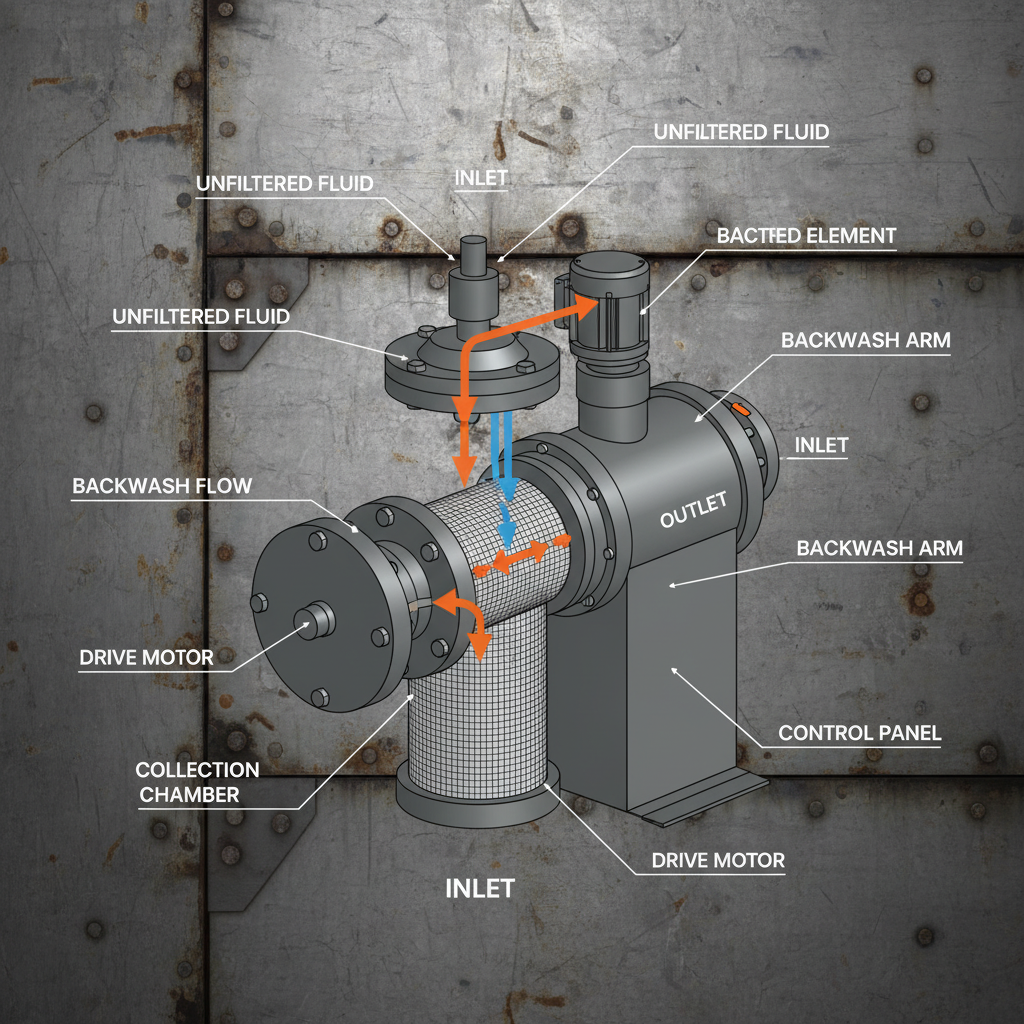
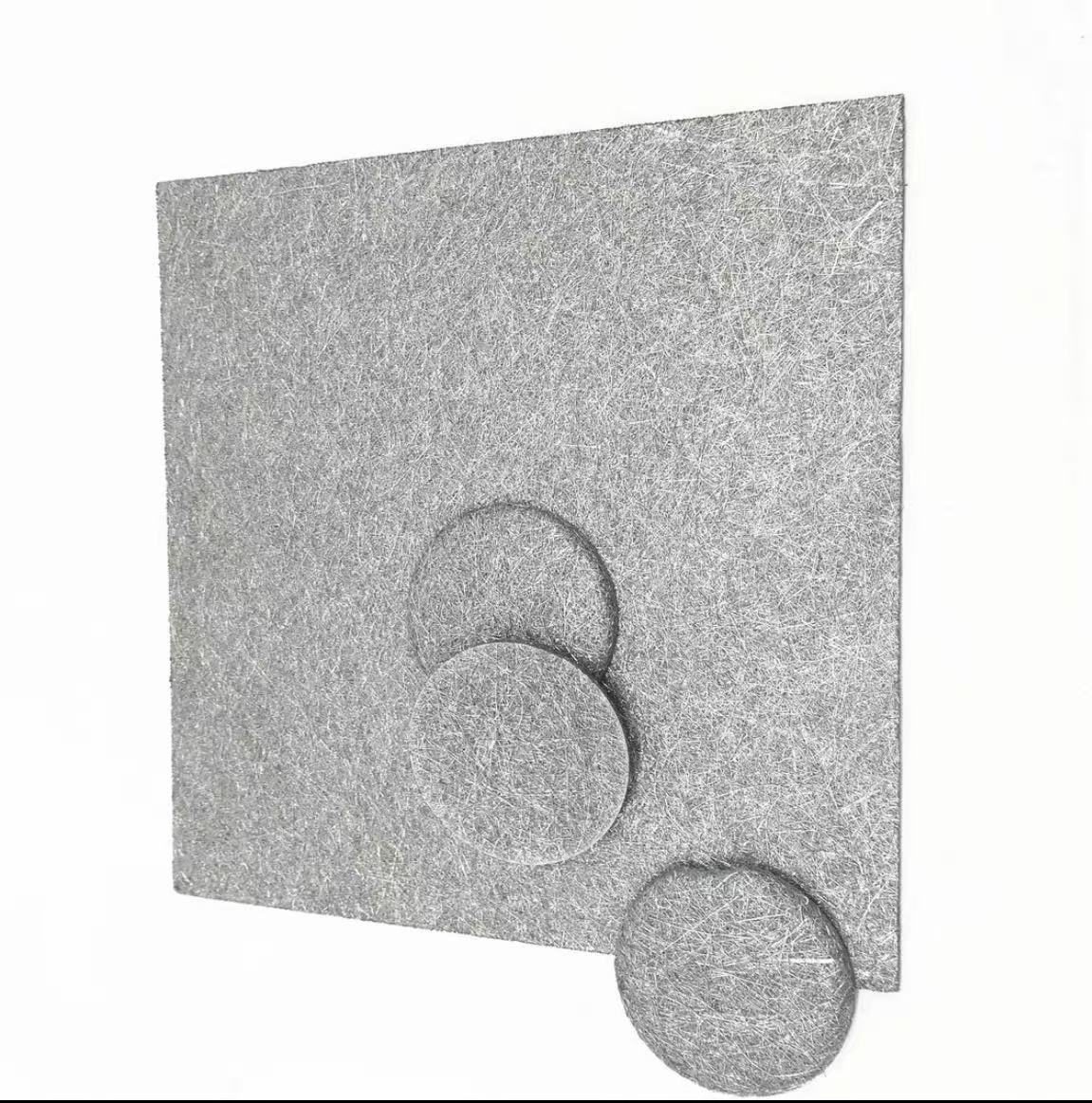
So what exactly is a metal powder filter tube? Imagine a hollow cylinder, but instead of being a solid piece of metal, it’s created from compacted tiny metal powder particles fused by sintering (a heating process just shy of melting). This results in a highly porous structure that acts like a sieve on a microscopic scale, letting fluids or air pass through while trapping unwanted particles.
It’s a modern marvel that feels almost paradoxical—metal that’s both tough and breathable. Industries use them not just because they can survive harsh environments, but because their permeability is controllable, which means engineers can tailor their filtering precision exactly where it’s needed.
Key Factors Behind Effective Metal Powder Filter Tubes
1. Durability and Corrosion Resistance
High temperatures, harsh chemicals, and constant pressure cycles don’t faze these tubes. Stainless steel or nickel-based powders are common, giving them the ability to last years, even in aggressive environments like chemical plants or offshore rigs. Their durability translates into fewer replacements and safer operations.
2. Porosity and Filtration Precision
The magic lies in tuning porosity. Using metal powders of different sizes and sintering times, manufacturers can create tubes that trap micron-sized particles or allow only specific fluids through. This precise control is essential when filtering delicate pharmaceuticals or toxic emissions.
3. Customizability and Scalability
These tubes aren’t one-size-fits-all. OEMs can specify diameters, lengths, and porosity grades. The production technology allows scalability from small lab filters to massive industrial cartridges. For industries that grow fast or adapt quickly, this flexibility is crucial.
4. Cleaning and Reusability
Unlike disposable filters, many metal powder filter tubes can be cleaned by backflushing or ultrasonics, extending their lifecycle and reducing environmental waste. This means more sustainable operations without sacrificing performance.
| Specification | Typical Range | Remarks |
|---|---|---|
| Material | Stainless Steel 316L, Inconel | Corrosion and heat resistance |
| Outer Diameter | 10mm - 150mm | Customizable to application |
| Length | 100mm - 1000mm+ | Adapted to system design |
| Pore Size | 1 - 50 microns | Defines filtration granularity |
| Operating Temp. | -50°C to 800°C | Suitable for extremes |
| Pressure Drop | Low to medium | Balances filtration & flow |
Real-World Applications: Where Metal Powder Filter Tubes Shine
These tubes pop up in ways many don’t realize. Here’s a quick rundown:
- Automotive Industry: Emission control systems use metal powder filters to trap particulate matter from exhaust gases.
- Pharmaceutical Production: Critical for ensuring fluids are free from contamination during synthesis and packaging.
- Water Treatment Plants: Filters remove heavy metals and sediments, improving potable water quality especially in areas with limited infrastructure.
- Disaster Relief Efforts: NGOs deploy filtration units using metal powder filter tubes to provide clean water in post-disaster zones (think typhoon-hit coastal areas or floodplains in South Asia).
- Oil & Gas Exploration: Harsh environments mean filtration has to be reliable—these tubes resist corrosion and high temps underwater and on rigs.
For example, a recent project in remote Alaskan drilling sites saw these filters extend equipment runs by 30%, cutting shutdowns and maintenance costs drastically.
Mini takeaway: From fragile pharma labs to rugged industrial sites, metal powder filter tubes adapt to diverse roles, proving their versatility hands down.
Advantages: More Than Just Technical Specs
If you’re thinking this is just a “tech thing,” consider the broader picture:
- Cost Efficiency: Though upfront prices might be higher than polymer filters, their longevity and ability to be cleaned save money long term.
- Sustainability: Reduced waste generation and recyclability align with greener business goals.
- Reliability and Safety: Minimizes filter failures, which means safer workplaces and better environmental compliance.
- Social Impact: Providing clean water filtration in underserved regions builds trust and improves quality of life, which is an emotional win for companies investing in these technologies.
Looking Ahead: Emerging Trends in Metal Powder Filter Tubes
The future? Exciting stuff. Nanotechnology is pushing boundaries by enabling filters that can capture nano-scale particles, improving air quality even further. Meanwhile, additive manufacturing (3D printing) of metal powders is making it easier and faster to prototype custom filter shapes — dramatically cutting lead times.
On the sustainability front, there’s growing interest in combining metal powder filters with renewable energy-powered purification plants for truly green filtration systems. Digital sensors embedded in filter tubes to monitor real-time clogging or damage are another innovation, helping companies avoid unplanned outages.
Current Hurdles – And How We’re Overcoming Them
No tech is perfect. Metal powder filter tubes face challenges like:
- Initial Cost: The advanced materials and processes mean higher upfront costs — though economies of scale are improving this.
- Complex Cleaning Needs: Some designs require specialized cleaning methods that not all sites can support easily.
- Manufacturing Limits: Size constraints exist; tubes larger than a certain diameter become difficult to sinter uniformly.
Industry leaders are banking on hybrid materials and improved sintering tech to address size and cost issues. Plus, modular filter systems help manage cleaning by swapping units out without system shutdowns — pretty clever, honestly.
Vendor Options Compared: A Quick Look
| Vendor | Material Options | Custom Sizes | Typical Industries Served | Lead Time |
|---|---|---|---|---|
| Porous Metals Inc. | SS316L, Inconel, Titanium | Yes | Pharma, Petrochemical, Water | 4-6 weeks |
| SteelFlow Filters | SS304, SS316 | Limited | Automotive, Oil & Gas | 3-5 weeks |
| Nano Pore Solutions | Nickel, SS316L | Yes | Electronics, Labs | 6-8 weeks |
FAQ: Your Top Metal Powder Filter Tube Questions Answered
- Q: How can I choose the right pore size for my application?
- A: Pore size depends on what you want to filter. For fine particulate like pharmaceutical dust, 1-5 microns is typical. Industrial dust or sediments might allow larger pores up to 50 microns. Consulting with a filter specialist and understanding your fluid properties is key.
- Q: Can metal powder filter tubes be cleaned on-site?
- Many can be cleaned using backflushing, ultrasonic cleaning, or chemical washes depending on the filter design and the contaminants. This means less downtime but you should follow vendor specifications to avoid damage.
- Q: Are these filters suitable for high-pressure environments?
- Yes, metal powder filter tubes generally perform well under moderate to high pressure due to their robust materials and structure. Always confirm pressure ratings as per your process needs.
- Q: How do I get metal powder filter tubes shipped internationally for my operations?
- Most manufacturers handle export logistics, but you can work directly with them or through local distributors. Ensure compliance with import regulations in your country regarding metal goods and filtration devices.
Conclusion: Why You Should Care About Metal Powder Filter Tubes
To wrap up, metal powder filter tubes are not just a niche tech item but an industrial pivot toward safer, cleaner production, and humanitarian aid. Their strength, flexibility, and environmental benefits make them a smart investment for many sectors. If you want to explore this further or find tailored solutions, I highly recommend visiting metal powder filter tube suppliers who offer deep expertise and customization options.
Light, durable, and endlessly interesting — these tubes are proof that sometimes the smallest components carry the biggest weight in progress.
Mini takeaway: The future of filtration depends on smart materials and smart choices. Metal powder filter tubes sit right at that intersection.
References
Post Time: Nov . 29, 2025 09:05