Why Fine Bubble Diffusers Matter in Today’s Water Treatment Landscape
At first glance, a fine bubble diffuser might sound like just another technical gadget in wastewater treatment or aquaculture. Yet, its impact runs deeper than mere hardware. With global freshwater shortages, rising pollution levels, and stringent environmental standards, optimizing water aeration has become crucial. Fine bubble diffusers, producing minuscule air bubbles that dramatically increase oxygen transfer efficiency, offer a beacon of hope for sustainable industries and communities alike.
For anyone remotely interested in environmental tech or industrial process optimization, understanding fine bubble diffusers is a neat cheat sheet in how engineering can harmonize better with nature — boosting performance while trimming carbon footprints and operating costs.
Fine Bubble Diffusers: A Global Overview & Industry Context
Globally, more than 2 billion people lack access to safely managed drinking water, per the UN Water report (2023). Wastewater treatment plants are under growing pressure—not just to clean water but also to do so sustainably. Enter the realm of the fine bubble diffuser.
Compared to older coarse bubble or jet aeration systems, fine bubble diffusers generate bubbles often less than 1 mm in diameter, increasing oxygen dissolution thanks to a higher total surface area. The World Bank reports up to a 30% energy saving when switching to these advanced diffusers, translating directly into reduced greenhouse gas emissions.
Yet, challenges loom—aging infrastructure, inconsistent manufacturing quality, and adaptation to varying wastewater compositions often hold back more widespread adoption. But the trend is clear: Nearly every continent’s water treatment sector has projects deploying fine bubble diffuser systems for efficiency breakthroughs.
What Exactly Is a Fine Bubble Diffuser?
Simply put, a fine bubble diffuser is a device that infuses air or oxygen into liquids in small, finely dispersed bubbles. These tiny bubbles stay suspended longer, improving oxygen transfer rates, essential for aerobic biological treatment processes. You could say it’s like turning the water into a gently fizzing drink—except that fizz is literally feeding life to bacteria that cleanse our wastewater.
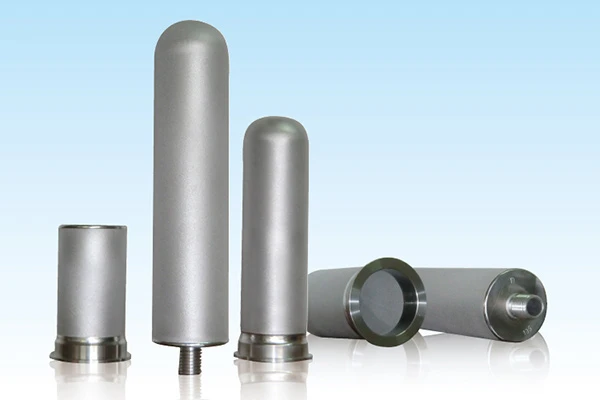
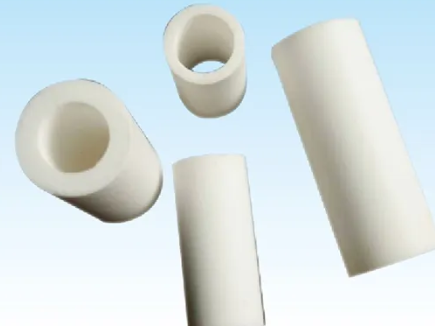
These diffusers are typically flat plates, tubes, membranes, or ceramic disks, designed with precision to produce consistent, ultra-fine bubbles. They’re pivotal in modern wastewater treatment plants, aquaculture farms, and even fermentation industries. Nothing fancy in the look, but the science behind them is quite elegant.
Key Components & Core Features of Fine Bubble Diffusers
1. Bubble Size & Distribution
It’s all about the size – sub-millimeter bubbles provide maximum oxygen transfer. Uniform distribution means entire tanks get treated evenly, avoiding dead zones where bacteria might starve.
2. Material Durability
Materials need to resist chemicals, abrasion, and bacteria buildup. EPDM rubber, polyurethane, or ceramic options are common. Depending on the wastewater acidity or temperature, durability can vary significantly.
3. Energy Efficiency
Generating fine bubbles requires precision but minimal energy compared to coarse bubble systems. Many operators notice a 10–30% cut in energy bills after upgrading.
4. Easy Maintenance & Cleaning
Since biofilms or mineral scaling can clog diffusers, they must allow simple cleaning or replacement. In some high-demand installations, automatic cleaning features are becoming popular.
5. Scalability & Customization
Sizes range from small units for lab-scale bioreactors to massive aeration grids servicing cities. Modular designs let engineers tailor systems for specific plant footprints or flow rates.
6. Cost Considerations
While upfront costs of fine bubble diffusers might be higher than older systems, the payback in energy savings and operational reliability typically balances out quickly, if not faster.
Fine Bubble Diffuser Product Specification Table
| Specification | Typical Range | Notes |
|---|---|---|
| Bubble Size | 0.3 - 1.0 mm | Smaller bubbles increase transfer rate |
| Materials | EPDM, Polyurethane, Ceramic | Resistance to corrosion & scaling |
| Oxygen Transfer Efficiency (OTE) | 20-35% improvement over coarse bubbles | Varies by design & tank conditions |
| Operating Temperature | 0-60 °C | Typical range; special materials for extremes |
| Lifespan | 5-10 years | Dependent on maintenance & water chemistry |
Global Applications & Real-World Use Cases
- Municipal Wastewater Treatment: Most cities in Europe, North America, and increasingly parts of Asia use fine bubble diffusers to meet strict water quality standards and reduce energy usage.
- Aquaculture Farms: Keeping oxygen levels stable is critical for fish and shrimp health. Fine bubble diffusers ensure steady aeration especially in dense farming setups in Southeast Asia.
- Industrial Effluent Management: Chemical and food processing plants implement these diffusers to improve aerobic digestion before discharge.
- Disaster Relief Water Systems: Portable treatment units equipped with fine bubble diffusers have been deployed in post-tsunami recovery in Indonesia and earthquake zones in Nepal.
Oddly enough, some remote locations with limited power supply favor fine bubble diffusers because of their energy efficiency, making treatment possible where it once wasn’t — a small tech leap with big humanitarian impact.
Advantages & Long-Term Values of Adopting Fine Bubble Diffusers
- Energy Savings: Reducing blower power is a huge win in operating expenses and carbon emissions.
- Improved Water Quality: Boosts treatment efficiency, helping plants meet tighter discharge regulations.
- Longer Operational Lifespan: Quality materials mean fewer replacements, less downtime, more reliability.
- Supports Environmental & Social Responsibility: Cleaner water supports ecosystems and communities, frankly, it builds trust in corporate sustainability.
- Cost-effectiveness: While the initial investment is higher, ongoing savings and maintenance ease pay back quickly.
Looking Ahead: Future Trends & Innovations
The innovation landscape around fine bubble diffusers is pretty exciting. Materials science is pushing into ultra-durable, anti-fouling membranes that last longer without cleaning. Digital sensors and IoT platforms enabling real-time monitoring and control of oxygen delivery are becoming mainstream — though I suspect we’re only scratching the surface.
Renewable-powered aeration systems pairing with green energy sources like solar or biogas look poised to reduce carbon footprints even further. Plus, AI-assisted predictive maintenance may soon minimize unexpected downtime, an advance that, frankly, will delight operators facing tight budgets.
Challenges & Practical Solutions in Fine Bubble Diffuser Deployment
- Maintenance Hassles: Scaling and biofilm buildup can clog pore holes. Solution? Regular cleaning regimes and selecting membranes designed to resist fouling help.
- Operational Variability: Fine bubbles are sensitive to water chemistry changes. Real-time sensors coupled with adaptive controls can optimize performance.
- Cost Barriers: Initial expenses deter some smaller plants. However, leasing models and modular setups increase accessibility.
- Installation Complexity: Retrofitting older plants requires expertise. Consulting specialized vendors with flexible designs can simplify this.
Vendor Comparison Table: Popular Fine Bubble Diffuser Providers
| Vendor | Materials | OTE Improvement | Maintenance Features | Price Range |
|---|---|---|---|---|
| AeroPure Systems | EPDM Rubber | +25% | Manual cleaning, modular design | $$ |
| CleanAir Tech | Polyurethane membrane | +30% | Self-cleaning modules | $$$ |
| EcoBubble Solutions | Ceramic elements | +28% | Easy replacement, durable | $$$ |
FAQ: Frequently Asked Questions About Fine Bubble Diffusers
Q1: How does a fine bubble diffuser improve wastewater treatment efficiency compared to coarse bubble systems?
A1: Fine bubble diffusers produce smaller bubbles with a larger surface area, enhancing oxygen transfer rates by up to 30%. This results in better aeration, faster biological degradation, and energy savings since less air volume is required to achieve treatment goals.
Q2: What materials are best for my local water conditions?
A2: EPDM rubber is versatile for neutral pH conditions. Polyurethane membranes offer higher abrasion resistance for harsher environments, while ceramic diffusers are ideal for highly corrosive or high-temperature wastewater. Consult your supplier about local water chemistry.
Q3: Can fine bubble diffusers be retrofitted into existing treatment tanks?
A3: Yes, most systems are modular and adaptable. However, installation complexity depends on tank size and layout. Working with experienced providers ensures compatibility and minimizes downtime during upgrades.
Q4: How often do fine bubble diffusers require maintenance?
A4: Regular inspection every 6-12 months is recommended. Cleaning frequency varies with water quality; some installations need quarterly maintenance, while others run for years before cleaning. Automated self-cleaning features help reduce manual labor.
Q5: Where can I purchase high-quality fine bubble diffusers?
A5: Reliable suppliers like fine bubble diffuser manufacturers offer a range of products customizable for different industries and scales. Always check certifications and after-sales support when choosing a vendor.
In Conclusion: Small Bubbles, Big Impact
The humble fine bubble diffuser quietly powers some of the most important environmental protections in our time. From cities striving to meet ever tighter discharge laws to aquaculture farms keeping sustainable fish stocks alive, their role is indispensable. Beyond the technical gains, they embody a commitment that’s part innovation, part stewardship — a reminder that sometimes, the smallest bubbles make the biggest waves.
Thinking of upgrading or installing a new aeration system? Explore detailed options and trusted suppliers at fine bubble diffuser solutions online today.
References
Post Time: Nov . 30, 2025 17:20