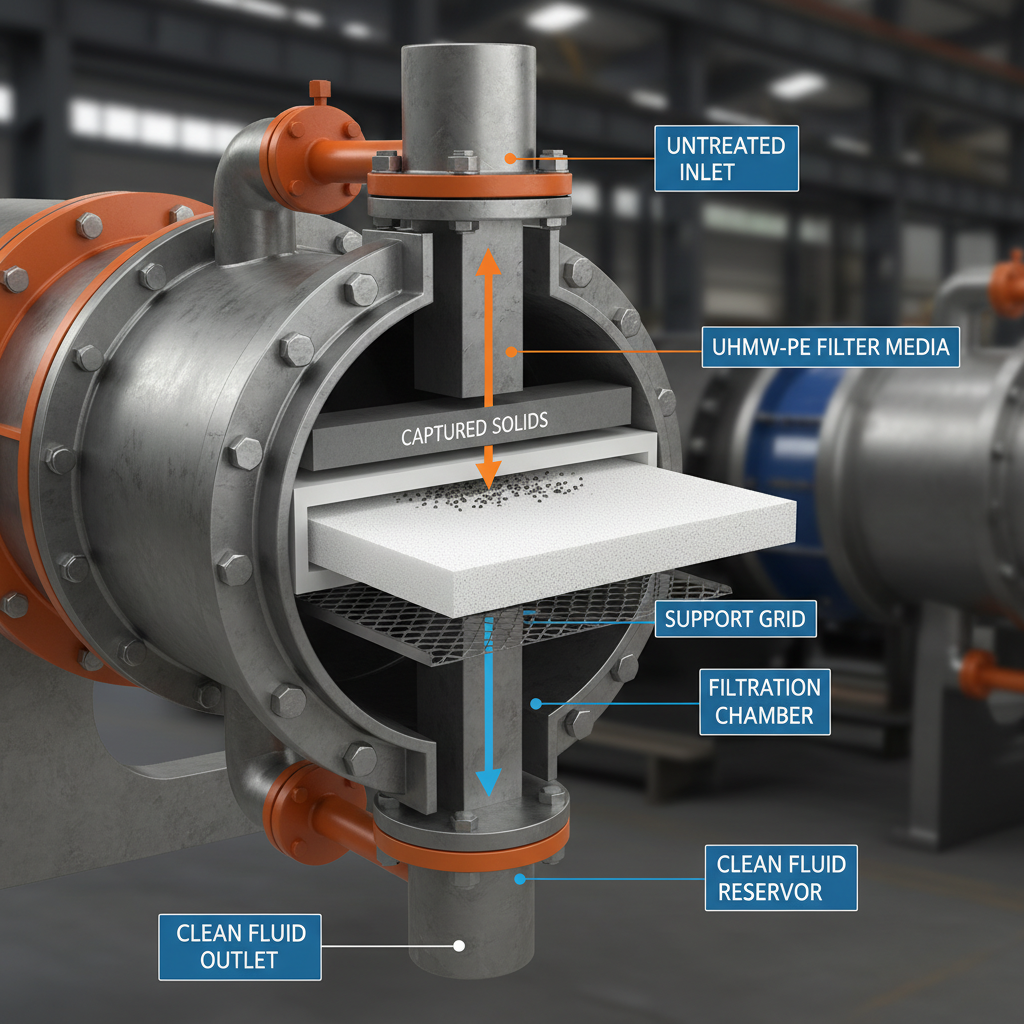
The Unsung Hero of Filtration: Understanding the UHMW-PE Filter Plate
When you hear "uhmw-pe filter plate," your first thought might not be excitement—yet these humble components quietly steer global filtration solutions in ways many don’t realize. Ultra High Molecular Weight Polyethylene (UHMW-PE) filter plates are essential in industries where clean water, purity, and efficiency aren't just buzzwords but life-or-death needs. Their role spans from industrial wastewater treatment plants tackling pollution to humanitarian efforts delivering clean water in disaster zones. Understanding what makes these filter plates special isn’t just a niche topic; it's a matter of global sustainability, safety, and innovation.
Why the UHMW-PE Filter Plate is Crucial in Today’s Industry
According to the United Nations, over two billion people worldwide lack access to safely managed drinking water (UN-Water, 2021). On the industrial front, wastewater discharge standards are tightening, compelling industries to rethink filtration. Enter the UHMW-PE filter plate, a component perfectly suited to meet these escalating demands.
These plates address a pervasive problem: how to filter solids efficiently while resisting corrosion, running continuously without wearing out, and keeping costs down. From chemical plants in Europe facing harsh environments, to mining operations in Australia and textile plants in Southeast Asia, the pressure to improve filtration quality without downtime or frequent replacements is real. That’s where UHMW-PE steps into the spotlight.
What Exactly is a UHMW-PE Filter Plate?
Simply put, a UHMW-PE filter plate is a filtration module made from ultra-high molecular weight polyethylene, a tough plastic known for its durability, elasticity, and resistance to abrasion and chemicals. These plates form the backbone of plate-and-frame or recessed chamber filter presses used across industries for solid-liquid separation.
The material's hallmark is its molecular structure—extremely long polymer chains that yield impressive impact resistance and a low coefficient of friction. This means the plates can withstand rough treatment, chemical assault, and high operating pressures, all while keeping filtration efficient. This isn’t just about fancy plastic: it fulfills critical humanitarian needs too. In emergency relief, for instance, these plates can be deployed rapidly in filtration units to help purify water, aiding millions.
Mini Takeaway:
UHMW-PE filter plates combine physical toughness and chemical resistance that make them indispensable in the modern quest for clean water and efficient industry filtration.
Core Features That Define the Performance of UHMW-PE Filter Plates
Durability & Chemical Resistance
UHMW-PE’s molecular chains make it incredibly durable against wear and aggressive chemicals. Unlike traditional metal plates that corrode or degrade, UHMW-PE filters hold up in acidic, alkaline, or salt-rich settings without weakening — a godsend in industries processing harsh effluents.
Lightweight Design
Because the material is lighter than metals or resin composites used before, filter plates are easier to install, maintain, and replace on-site. This lowers labor intensity and speeds up routine operations.
Adaptability & Customization
Manufacturers can mold UHMW-PE plates into various sizes and pore configurations, tailoring filtration precision to particular needs—from coarse sludge dewatering to fine chemical separation.
Cost Efficiency Over Time
Initial investment may be similar to alternatives, but the longer lifespan and lower maintenance dramatically reduce total cost of ownership. Many plants notice fewer downtime hours and savings on replacement parts.
Environmental Sustainability
UHMW-PE is recyclable and contributes to circular economy models in filtration technology, aligning with growing global commitments to sustainability and waste reduction.
Mini Takeaway:
- Durability and chemical resistance make UHMW-PE plates reliable under tough conditions.
- Lightweight design and customization options help industries optimize filtration performance and costs.
Global Applications: Where Are UHMW-PE Filter Plates Making a Difference?
Anyone working in wastewater treatment, mining, food & beverage, or pharmaceutical manufacturing has likely encountered filter presses with UHMW-PE plates. Their use is truly global:
- Europe: Textile plants leverage UHMW-PE plates to remove dyes and fibers before water is released back into rivers.
- Asia-Pacific: Mining operations extract minerals while separating harmful particulates, meeting stringent environmental mandates.
- Africa & Middle East: In post-disaster relief efforts, mobile filtration units employing these plates provide safe drinking water.
- North America: Chemical processing industries appreciate the plates’ resistance to corrosive byproducts in manufacturing.
For example, a recent project in Southeast Asia used modular filter presses with UHMW-PE plates to treat palm oil mill effluent—reducing waste discharge by 75%. This kind of impact shows the tangible difference such tech makes.
Mini Takeaway:
From wastewater to humanitarian aid, UHMW-PE filter plates are an adaptable solution addressing diverse needs across multiple continents.
Advantages & Long-Term Value of UHMW-PE Filter Plates
Why do so many engineers swear by UHMW-PE in filtration? For one, reliability. These plates enable continuous operation without surprise failures, meaning their users sleep a little easier.
Financially, the reduced downtime, maintenance, and replacement costs stack up to solid savings and productivity gains. Emotionally, think about the dignity of water users downstream, relying on cleaner water thanks to resilient technology.
Environmentally, they help industries meet ISO environmental standards while supporting corporate responsibility goals. The trust they build—for plants, communities, and governments alike—is invaluable.
UHMW-PE Filter Plate Specification Table
| Specification | Detail |
|---|---|
| Material | Ultra High Molecular Weight Polyethylene (UHMW-PE) |
| Plate Thickness | 20 - 30 mm (customizable) |
| Operating Temperature | -50°C to 80°C |
| Chemical Resistance | High resistance to acids, alkalis, solvents |
| Filtration Area | 0.5 to 3.0 sq. meters |
| Lifespan (Typical) | 10+ years under normal operation |
Comparing Top UHMW-PE Filter Plate Vendors
| Vendor | Customization | Delivery Time | Price Range | Warranty |
|---|---|---|---|---|
| China Porous Filters Ltd. | High – sizes, pore structures | 3-5 weeks | $$ | 2 years |
| EuroTech Filtration | Medium – standard plates only | 4-6 weeks | $$$ | 3 years |
| Asia Filter Solutions | Custom, but higher cost | 2-4 weeks | $$$ | 1.5 years |
Looking Ahead: The Future of UHMW-PE Filter Plates
As the world pivots toward sustainability, filter plate innovation pushes forward. There’s growing interest in integrating sensors into uhmw-pe filter plate systems to provide real-time performance monitoring and predictive maintenance — minimizing downtime and waste.
Material scientists are exploring composites that blend UHMW-PE with bio-based polymers for enhanced biodegradability without compromising strength. This could revolutionize disposability and recyclability, which is crucial for industries chasing carbon neutrality.
Automation and machine learning will further optimize filtration parameters, ensuring these plates aren’t just dumb barriers but smart, adaptable elements in a digital filtration ecosystem.
Challenges and Smart Solutions in UHMW-PE Plate Utilization
No technology is perfect. The main hurdles around these plates include:
- Initial Investment: Though cost-effective over time, upfront costs can discourage smaller operators.
- Customization Lead Times: Tailoring plates for specific industries can slow delivery.
- Handling and Storage: Susceptible to UV degradation if exposed improperly outside.
Pragmatic workarounds include bulk ordering to reduce unit costs, partnering with manufacturers who offer rapid prototyping, and using protective storage solutions. Experts recommend thorough training for operators to maximize plate lifespan.
FAQ: Your Questions About UHMW-PE Filter Plates Answered
Q1: How does a UHMW-PE filter plate differ from traditional metal filter plates?
A1: UHMW-PE plates are lighter, resist corrosion, and have a longer lifespan in chemically aggressive environments compared to metal plates, which tend to corrode and require more maintenance. This means less downtime and maintenance costs overall.
Q2: Can UHMW-PE filter plates be used in food and beverage processing?
A2: Absolutely. Their chemical resistance and inertness make them suitable for food industry applications, where contamination risks must be minimized. They also comply with certain food safety standards when properly certified.
Q3: What’s the typical lifespan of a UHMW-PE filter plate?
A3: Under normal operation, these plates can last over 10 years, mainly depending on handling, chemical exposure, and maintenance. Their durability is one of their biggest selling points.
Q4: Are UHMW-PE filter plates recyclable?
A4: Yes, UHMW-PE material is recyclable, supporting sustainability goals. However, recycling programs depend on regional capabilities, so it’s wise to consult with your vendor about end-of-life options.
Q5: How can I source custom UHMW-PE filter plates quickly for urgent projects?
A5: Working with vendors like China Porous Filters Ltd. that offer customization with shorter lead times is key. Also, keeping a small inventory of standard sizes helps cover unexpected needs.
Wrapping Up: Why UHMW-PE Filter Plates Will Stay Relevant
In real terms, the UHMW-PE filter plate ticks so many boxes—durability, chemical resistance, cost effectiveness—that it’s no surprise it’s become a staple in filtration industries worldwide. As challenges mount, whether environmental regulations or humanitarian demands, these plates adapt and endure.
If you’re curious to explore the possibilities firsthand or seek custom solutions, do visit our website: https://www.chinaporousfilters.com. The future of filtration is… well, strongly shaped by these unsung plastic marvels.
References
Post Time: Dec . 01, 2025 22:45