Titanium Tube Filter: The Backbone of Modern Filtration Technology
The titanium tube filter often flies under the radar but plays a pivotal role in many industrial, environmental, and humanitarian fields worldwide. If you’ve ever wondered how critical filtration systems manage to withstand harsh environments or deliver ultra-clean outputs, you’re about to get some insight. Understanding the workings, advantages, and potential challenges of titanium tube filters is valuable not just for engineers but for anyone interested in sustainable and efficient filtering solutions.
Introduction: The Global Context of Titanium Tube Filters
On a global scale, filtration technologies shape everything from clean water access to industrial manufacturing and energy production. The World Bank estimates that over 2 billion people lack access to safely managed drinking water worldwide. While titanium tube filters are only one piece of a vast puzzle, their durability, corrosion resistance, and filtration precision make them indispensable. Organizations like the United Nations and ISO recognize advanced filtration methods as crucial to sustainable development goals, especially for clean water and industry emissions reductions.[1]
Industrial zones, especially in Asia and developing nations, face harsh conditions where normal filters fail prematurely. Titanium tube filters address this by combining strength and resistance to chemical attack—allowing operations to continue safely and efficiently, without frequent breakdowns.
What Is a Titanium Tube Filter?
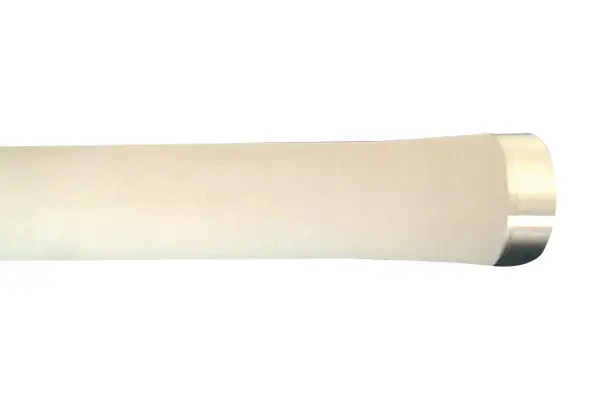
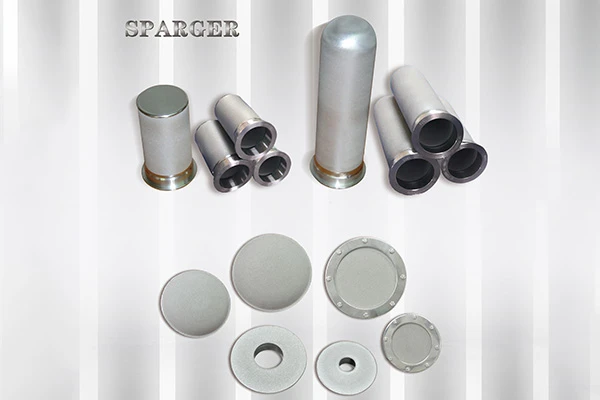
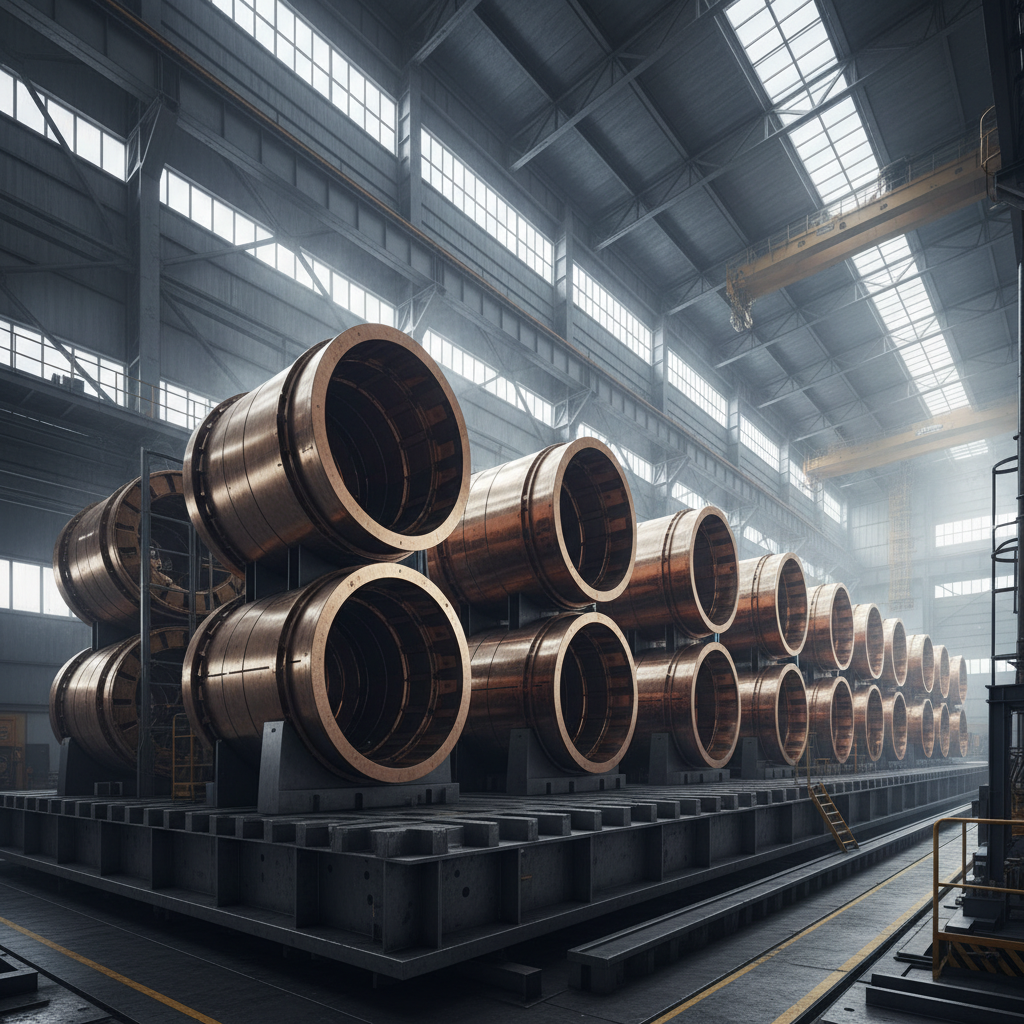
Simply put, a titanium tube filter is a filtration device using tubes made of titanium alloy as the main filtering element. These filters leverage the metal’s unique properties—corrosion resistance, strength-to-weight ratio, and biocompatibility—to deliver reliable filtration under conditions where other materials might degrade or clog quickly.
Modern industry uses these filters extensively: from petrochemical refineries needing high heat and chemical resistance, through pharmaceuticals requiring contamination-free environments, to remote humanitarian water treatment setups. Titanium isn’t just a fancy metal here; it’s the linchpin for filtering technology that demands longevity and safety.
Key Components of Titanium Tube Filters
1. Durability and Corrosion Resistance
One reason engineers rave about titanium tube filters is the unmatched resistance to corrosion, especially in aggressive fluids or salt water. This means lower maintenance cycles and longer lifespans compared to stainless steel or plastic filters.
2. Filtration Precision
The porous structure of titanium tubes allows for microfiltration or ultrafiltration capabilities. This precision helps remove particulate matter, bacteria, and other contaminants effectively.
3. Thermal Stability
Titanium withstands high temperatures, making these filters suitable for steam cleaning, pharmaceutical fabrication, and hot chemical processing without warping or losing filtering integrity.
4. Cost Efficiency Over Time
Although titanium filters come with a higher initial cost than some alternatives, their durability and low replacement frequency often reduce total lifecycle costs. Many clients find the upfront investment worthwhile in industrial settings.
5. Environmental Compatibility
Titanium is non-toxic and often doesn’t require hazardous chemical coatings for protection, aligning well with environmental regulations and green manufacturing policies.
| Specification | Details |
|---|---|
| Material Grade | Titanium Alloy Grade 2 & 5 |
| Pore Size Range | 0.1 μm – 50 μm |
| Max Operating Temperature | 600°C (1112°F) |
| Max Operating Pressure | 10 bar |
| Common Applications | Water treatment, chemical filtration, pharmaceuticals, food & beverage |
Global Applications & Use Cases of Titanium Tube Filters
Various sectors globally adopt titanium tube filters for unique reasons:
- Water Treatment Facilities: In countries afflicted by water scarcity or contamination, titanium filters purify water more reliably than typical filters. In disaster relief zones, for instance, NGOs deploy these filters due to their robustness and rapid install time.
- Petrochemical Industry: High-temperature and corrosive environments in refineries require filters that won't degrade mid-process. Titanium tubes meet these demanding specs very effectively.
- Food & Beverage: The sterile production of milk, juices, or beer benefits from titanium’s biocompatibility and ease of cleaning.
- Pharmaceutical Manufacturing: Strict contamination control and product purity make titanium tube filters a preferred material where no compromise is allowed.
Even remote industrial plants in Asia or Latin America show increased adoption, as the upfront cost pays off in reduced maintenance and downtime.
Why Invest in Titanium Tube Filters? Advantages & Long-Term Value
One could argue the biggest advantage is peace of mind. Knowing your filtration system can hold up in nasty chemical mixes or heat surges without failing means operations run smoother. Plus, the sustainability angle is significant: titanium filters don’t need frequent replacements, so waste and resource use shrink.
Emotionally, managers and engineers appreciate the reliability factor—the safety of water or product purity, the dignity afforded to communities counting on clean resources, and the innovation embedded in such a well-thought-out component. It really feels like a smart, long-term investment.
Future Trends & Innovations
Looking ahead, titanium tube filters are evolving with digital sensors embedded directly into filter modules for real-time clog detection and maintenance alerts. Green energy integration is another hot topic; filters optimized for solar or biomass facilities appear to be growing in demand.
Materials science continues improving pore structure using 3D printing and nano-coating techniques, aiming for even finer filtration with less energy consumption. Regulations increasingly favor sustainable, durable materials, encouraging wider use of titanium filters in emerging economies.
Challenges & Solutions
One challenge is upfront cost, which can deter smaller companies. Innovative leasing or modular purchase programs help spread expenses. Another issue lies in the technical expertise needed for maintenance—training programs and supplier support services are bridging that gap efficiently.
Sometimes supply chain constraints impact availability, but global partnerships and localized manufacturing efforts aim to reduce these bottlenecks.
FAQ: Frequently Asked Questions About Titanium Tube Filters
- Q: How does the pore size affect the filtration performance?
A: Smaller pores filter out finer particles, bacteria, and microorganisms, enhancing water and chemical purity. The choice depends on application needs. - Q: Are titanium tube filters suitable for salty or seawater environments?
A: Absolutely. Titanium’s excellent corrosion resistance makes it ideal for seawater filtration and desalination pre-treatment processes. - Q: What maintenance is required for these filters?
A: Routine backwashing and periodic inspections ensure longevity. Due to titanium’s durability, welding or replacements are infrequent compared to other metals. - Q: Can titanium tube filters be custom-sized?
A: Yes, many vendors offer customization to fit specific system dimensions or filtration grades. This helps optimize system performance.
Vendor Comparison: Leading Titanium Tube Filter Suppliers
| Vendor | Material Grades Offered | Customization | Price Range | Typical Delivery Time |
|---|---|---|---|---|
| TitanPure Technologies | Grade 2, 5 | Full customization available | $$$ | 6-8 weeks |
| AquaTitan Filters | Grade 2 only | Limited sizes, modular options | $$ | 4-6 weeks |
| ChinaPorous Filters | Grades 2, 5, 7 (custom) | Highly customizable, bulk orders available | $ - $$ | 3-5 weeks |
When exploring suppliers, be sure to weigh product specifications, delivery timelines, and customization services to meet your specific project needs. If you want to learn more about reliable sourcing, check out titanium tube filter experts with worldwide credentials and growing portfolios.
Conclusion: Why Titanium Tube Filters Are Worth Considering
All things considered, titanium tube filters represent a fine balance of advanced materials science, practical reliability, and environmental responsibility. Whether you’re in heavy industry, water purification, or humanitarian aid, these filters provide a durable, high-performance option that’s proven its merit over time. Choices you make around filtration technology today can impact efficiency and sustainability for years.
If you want to keep your systems at the cutting edge with proven titanium tube filter solutions, visit our website: https://www.chinaporousfilters.com to explore product ranges, get expert advice, and request quotes tailored to your needs.
Oddly enough, sometimes the smallest components like titanium tube filters help keep entire industries humming safely and sustainably—sort of like the unsung heroes of filtration.
References
Post Time: Dec . 04, 2025 11:40