Why Stainless Steel Filter Mesh Matters More Than You Might Think
In a world increasingly aware of water scarcity, environmental safety, and industrial efficiency, the humble stainless steel filter mesh is proving to be essential. At its core, this isn’t just a metal net; it’s a key player in literally filtering out contaminants, improving health outcomes, and advancing manufacturing processes globally. Understanding what sets it apart—its durability, precision, and versatility—can reveal why so many sectors invest heavily in this material.
Global Context: The Urgency Behind Stainless Steel Filter Mesh
Water contamination affects over 2 billion people worldwide, according to the WHO and UNICEF (UNICEF, 2023). Meanwhile, industries from pharmaceuticals to automotive seek ever more refined filtration for process consistency and sustainability. The stainless steel filter mesh steps into this space as a sustainable, reusable filter medium, outperforming many synthetic options in longevity and environmental impact.
What’s more, the ISO 9001 standards for quality management increasingly spotlight products like these for their resilience and consistency. It’s a bit of a miracle net, you could say, catching everything from micro-particles in drinking water to dust and debris in production lines. The real challenge today is finding filtration solutions that are scalable yet maintain integrity — a challenge many global industries face.
Defining Stainless Steel Filter Mesh: What Is It?
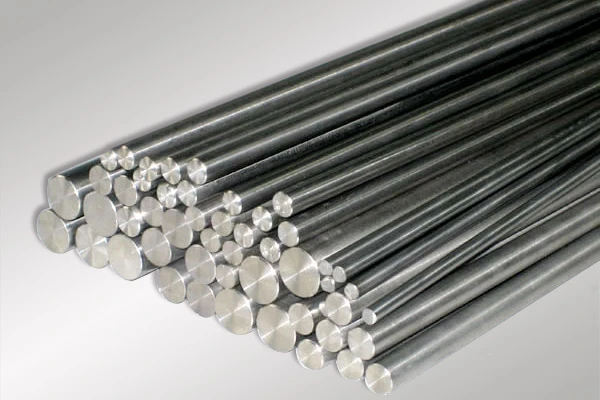
Simply put, stainless steel filter mesh is a woven or welded net made from high-grade, corrosion-resistant stainless steel wire. The mesh size, wire diameter, and weave pattern determine what particles it catches — from large debris to microscopic contaminants. Thanks to modern metallurgical advances, these meshes are tougher and more chemically inert than ever.
Industries rely on them because they combine the precision of fine filtration with ruggedness: it’s basically the difference between a plastic sieve that slowly warps under pressure and a steel one that keeps its shape and function for years. In humanitarian terms, that means safer drinking water filtration systems in disaster zones that won't fail after a few uses.
Core Characteristics that Make Stainless Steel Filter Mesh Stand Out
Durability
It resists rust, high temperatures, and mechanical stress remarkably well. That means filters don’t need frequent replacement, cutting maintenance downtime and waste.
Precision and Customizability
The mesh can be tailored to a range of pore sizes, wire diameters, and weave types to capture exactly what you need. Many engineers say this makes the difference between a filter that works perfectly and one that’s a constant headache.
Cost Efficiency Over Time
Sure, stainless steel meshes can seem pricier upfront compared to plastic or fabric alternatives. But when you factor in lifespan, reusability, and lower waste disposal costs, the economics favor steel.
Sustainability
Being recyclable and reusable, stainless steel meshes align well with global sustainability goals (ISO 14001 certified quality approaches).
Resistance to Chemicals and Corrosion
This means they work well even in harsh environments such as chemical processing plants, desalination, or mining operations.
Easy to Clean and Maintain
The material withstands aggressive cleaning, sterilization, and repeated use without deformation.
Practical Uses Around the World
From North American water treatment plants to Southeast Asian food processing lines, stainless steel filter mesh plays a crucial role. Industries benefiting include:
- Municipal Water Filtration: Filtering out sediments and pathogens.
- Pharmaceutical Manufacturing: Ensuring particle-free injection fluids.
- Oil & Gas: Separating contaminants during extraction and refining.
- Food & Beverage: Sieving raw ingredients and final products.
- Disaster Relief Operations: Portable water filter units for clean drinking water.
Oddly enough, in remote industrial zones with limited supply chains, having a reusable, reliable filter mesh reduces dependency on imported consumables and lowers operational risks.
| Specification | Range/Value | Description |
|---|---|---|
| Material Grade | 304, 316, 316L | Common grades offering corrosion resistance and suitability for various environments |
| Wire Diameter | 0.025 mm – 1.5 mm | Determines mesh strength and pore size |
| Mesh Size | 10 – 400 mesh (openings per inch) | Defines filtration fineness |
| Weave Type | Plain, twill, Dutch | Impact filter flow and durability characteristics |
| Max Operating Temp | 870°C (depending on grade) | Enables use in high-heat processes |
Comparing Top Stainless Steel Filter Mesh Vendors
| Vendor | Material Options | Customization | Typical Delivery Time | Price Range |
|---|---|---|---|---|
| China Porous Filters | 304, 316L, custom alloys | Wide range of mesh sizes and weave patterns | 2-4 weeks | Competitive |
| MeshCo Europe | 316 Stainless Steel, Duplex | Specialized for pharmaceutical standards | 3-6 weeks | Premium |
| US Filter Solutions | 304, 316 | Standard sizes with limited customization | 1-3 weeks | Mid-range |
Advantages & Lasting Value of Stainless Steel Filter Mesh
It’s a bit like buying a reliable pair of boots that won’t quit mid-hike: investing in stainless steel filter mesh means long-term peace of mind. Beyond cost savings, there’s an environmental win. Reusable filters reduce plastic waste and chemical runoff.
Trust also plays a big role. When your production line or community water system depends on filters, you want to be sure they won’t fail in crucial moments. The dignity of providing clean water, the safety of workers, and the ROI for manufacturers all converge here.
Emerging Trends and Innovations in Stainless Steel Filtration
Innovation is steadily pushing stainless steel meshes into new territories: nano-coatings to repel bacteria, AI-driven precision weaving, and integration with digital monitoring systems for realtime filter health assessment. Sustainable manufacturing processes, like electric arc furnace steel and recycled inputs, add green credentials.
Given the global push for clean energy and circular economies, stainless steel meshes engineered for membrane bioreactors and fuel cells are also gaining traction.
Challenges & How They’re Being Tackled
Of course, no tech is perfect. One common challenge is clogging in fine mesh filters, which requires more frequent cleaning or backflushing. Advances in surface coatings and vibration cleaning methods are helping. Another issue is the weight and rigidity of steel mesh compared to polymer alternatives in some portable applications — ongoing research aims to lighten materials without compromising strength.
Frequently Asked Questions About Stainless Steel Filter Mesh
Q: How does stainless steel filter mesh compare to plastic filters in water treatment?
A: Stainless steel meshes offer far greater durability, chemical resistance, and can be sanitized repeatedly without degradation, making them ideal for long-term industrial and municipal water filtration systems.
Q: Can stainless steel filter mesh be customized for very specific particle sizes?
A: Absolutely. Manufacturers can tailor the mesh opening size, wire thickness, and weaving technique to capture anything from coarse particles to micron-level contaminants.
Q: What maintenance is needed to keep stainless steel filter mesh effective?
A: Regular cleaning using mechanical methods or chemical agents is recommended to prevent clogging. The mesh’s corrosion resistance means it withstands aggressive cleaning without damage.
Q: How environmentally friendly is stainless steel filter mesh?
A: Very. It’s 100% recyclable and reusable, which supports circular economy practices and reduces waste compared to single-use filters.
Wrapping Up: Why Stainless Steel Filter Mesh Is a Smart Investment
To put it bluntly, whether you’re managing a water treatment plant, designing industrial equipment, or setting up emergency relief water supplies, stainless steel filter mesh is a proven, trustworthy partner. Its blend of durability, customization, and sustainability isn’t just a technical win, but a real-world solution to tough challenges. Curious? Dive deeper with the experts at stainless steel filter mesh and see what fits your project’s unique needs best.
Stay curious, stay sustainable, and keep those filters working!
References:
1. WHO on Water Safety
2. ISO 9001 Quality Management
3. Wikipedia: Stainless Steel
Post Time: Nov . 26, 2025 17:10