Understanding the Growing Importance of Sintered Polyethylene Filters
In today’s rapidly industrializing and environmentally conscious world, the sintered polyethylene filter has quietly become a crucial component in many filtration applications. This seemingly simple device helps solve big challenges—like maintaining clean water, controlling air pollution, and ensuring safety in hazardous industrial processes. Understanding its role is not just an academic exercise; it touches on how industries around the globe reduce costs, improve sustainability, and protect human health.
What’s particularly compelling is how this filter technology aligns with global efforts documented by organizations like the United Nations and ISO standards, highlighting its environmental relevance and technical reliability. From disaster zones needing portable water filtration to large manufacturing plants reducing particulate emissions, these filters are everywhere.
Mini takeaway: Sintered polyethylene filters represent a small but vital piece of the global puzzle of cleaner, safer industrial and humanitarian operations.
Global Relevance: Why the Demand for Sintered Polyethylene Filters is Rising
The increasing demand for effective filtration touches industries from pharmaceuticals and food processing to wastewater treatment and even aerospace. According to a recent report by the International Organization for Standardization (ISO), filtration efficiency standards are rising worldwide, driven by both regulatory pressure and consumer expectations for cleaner, safer products.
Moreover, the World Bank estimates that effective water treatment and air filtration systems could reduce disease burden by millions yearly in developing countries. The catch? Many filtration materials either aren’t durable enough or are too expensive to deploy at scale. Enter the sintered polyethylene filter — combining affordability, longevity, and chemical resistance.
Industries face a shared challenge: how to balance cost, performance, and sustainability. These filters answer that challenge with aplomb, which is why regions like Southeast Asia and Sub-Saharan Africa have seen a surge in demand for sintered polyethylene-based filtration products in humanitarian and industrial contexts.
Mini takeaway: In a world desperate for better filtration, sintered polyethylene filters strike a compelling balance between cost, durability, and performance.
What Exactly is a Sintered Polyethylene Filter?
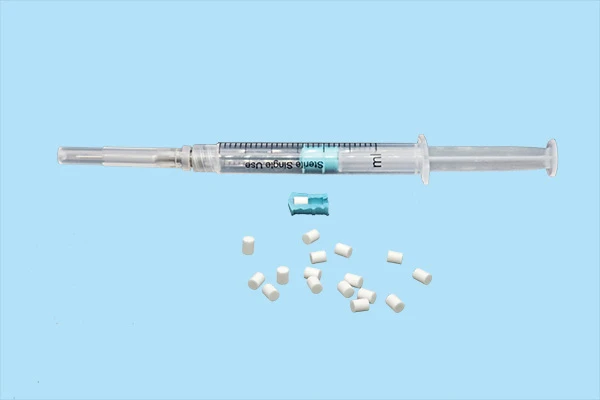
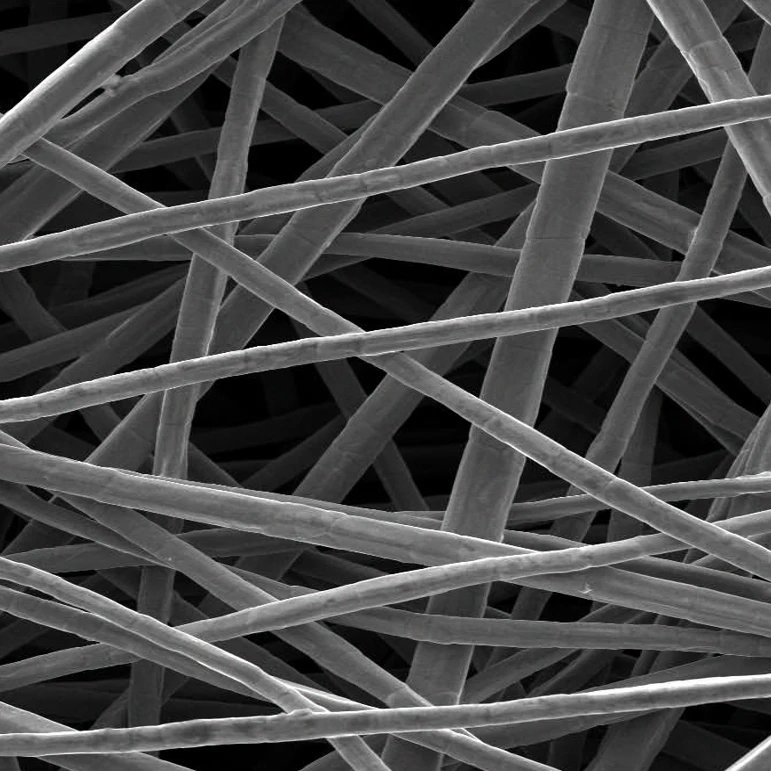
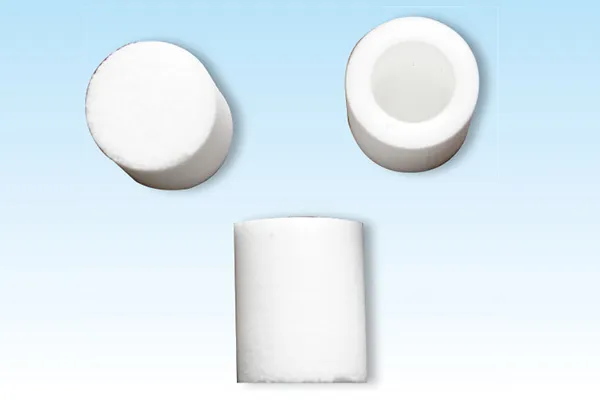
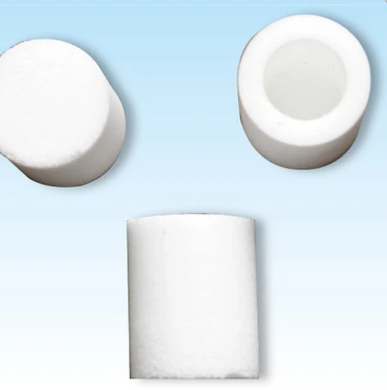
If you haven’t run into this term before, a sintered polyethylene filter is a porous filter created by heating polyethylene particles just below their melting point so they fuse together without turning to liquid – a process called sintering. This creates a tough, durable matrix with interconnected pores that let fluids or gases pass while trapping unwanted particles.
This is not just some lab curiosity. Sintered polyethylene is prized because of its chemical inertness, mechanical strength, and ability to be engineered with precise pore sizes. These filters fit perfectly into industries requiring reliable filtration — from sterilizing medical equipment to cleaning industrial exhausts.
In humanitarian contexts, the lightweight and robust nature makes these filters invaluable for providing clean water in remote or disaster-struck areas where maintenance is minimal or non-existent.
Mini takeaway: Simply put, the sintered polyethylene filter is a high-performance mesh that’s both tough and precise, ideal for demanding filtration needs worldwide.
Key Features of Sintered Polyethylene Filters
1. Durability and Chemical Resistance
Polyethylene’s natural resilience means these filters can withstand harsh chemicals, UV exposure, and rough handling — perfect for outdoor or industrial use where other materials degrade fast.
2. Precise Pore Structure
During sintering, manufacturers can control pore sizes between microns, allowing for tailored filtration from coarse to ultra-fine particles, suitable for various fluids or gases.
3. Lightweight and Cost-Efficient
Compared to metal or ceramic filters, sintered polyethylene is lighter and less expensive, reducing shipping and installation costs.
4. Easy Sterilization and Maintenance
The filters tolerate common sterilization methods like autoclaving or chemical cleaning without compromising integrity, extending service life.
5. Scalability and Customization
Because of the manufacturing process, these filters can be made in different shapes and sizes, fitting everything from small lab units to large industrial skids.
Mini takeaway: Durability, precision, and adaptability make sintered polyethylene filters a real workhorse for many industries.
Global Applications and Real-World Examples
Industries from water treatment plants in Europe to auto manufacturing in North America rely heavily on sintered polyethylene filters. For example, in post-disaster relief operations, NGOs use these filters in portable water purifiers distributed in areas affected by floods or tsunamis, giving displaced populations access to safe drinking water quickly.
In remote industrial zones such as mining operations in Australia or South America, these filters play a crucial role in capturing airborne dust, protecting workers and reducing environmental impact. The lightweight nature helps engineers retrofit filtration systems in places without easy transportation infrastructure.
Even advanced fields like sintered polyethylene filter-based gas separation units in semiconductor fabs underscore the material’s versatility and importance.
| Specification | Typical Value |
|---|---|
| Material | High-Density Polyethylene (HDPE) |
| Pore Size Range | 1 - 100 microns |
| Operating Temperature | -40°C to 80°C |
| Chemical Resistance | Excellent against acids, bases, solvents |
| Typical Lifespan | 3-5 years (dependent on use) |
Mini takeaway: The diversity and robustness of sintered polyethylene filter specs explain why so many industries depend on them.
Why Invest in Sintered Polyethylene Filters? Advantages and Long-Term Value
- Cost Savings: Lower production and maintenance costs compared to alternatives means long-term savings.
- Environmental Sustainability: Durable filters reduce waste frequency and use recyclable materials.
- Reliability: Stable filtration properties even under harsh conditions build trust.
- Safety & Health: Cleaner air & water protect workers and communities.
- Innovation & Custom Solutions: Easily adapted for emerging industrial needs.
Choosing sintered polyethylene filters feels like a smart investment for companies wanting to future-proof operations without compromising on product quality or environmental responsibility.
Mini takeaway: Offering tangible benefits across cost, safety, and sustainability, these filters are a win-win for industry and society.
Emerging Trends & Innovations in Filter Technology
With current developments gravitating towards green tech, you’ll see sintered polyethylene filters gaining coatings that enhance anti-fouling properties or integrating sensors for digital filtration monitoring systems.
Automation in filtration and real-time data capture—part of the “Industry 4.0” wave—allows for predictive maintenance, reducing downtime and waste. Also, manufacturers experiment with bio-based polyethylene blends, reducing carbon footprints further.
Oddly enough, as we digitize every process, the humble sintered polyethylene filter is becoming a key player again, marrying material science and smart tech like never before.
Mini takeaway: From smarter materials to sensor integration, the future of sintered polyethylene filter tech looks exciting and sustainable.
Challenges & How They're Being Tackled
While robust, sintered polyethylene filters aren’t perfect. Some challenges include pore blockage from fouling, limited high-temperature tolerance, and the need for precise manufacturing controls.
Innovations in surface treatments, automated cleaning protocols, and hybrid filter designs marry polyethylene with other materials to overcome these obstacles. Plus, growing global standards encourage better quality control and installation practices.
Industry insiders say these efforts will soon make sintered polyethylene filters not just more efficient but also easier to maintain for even the trickiest applications.
Mini takeaway: Though challenges remain, ongoing research and smarter protocols are keeping these filters ahead of the curve.
Frequently Asked Questions About Sintered Polyethylene Filters
- What makes sintered polyethylene filters preferable over metal or ceramic ones?
- They combine flexibility with durability while being much lighter and generally more cost-effective. Plus, polyethylene resists many chemicals better than metal filters, making them suitable for harsh environments.
- How long can these filters typically last in industrial applications?
- Lifespan usually ranges between 3 to 5 years depending on operating conditions and maintenance. Their resistance to fouling and chemical degradation extends service life compared to some alternatives.
- Are sintered polyethylene filters easy to clean and maintain?
- Yes, they withstand standard cleaning techniques such as backflushing, autoclaving, or chemical washes without damage, which simplifies upkeep and reduces downtime.
- Can these filters be customized for specific filtration needs?
- Absolutely. Manufacturers can adjust pore size, shape, and thickness to suit particular applications, from fine pharmaceutical filtration to coarse dust capture.
- Where can I find reliable suppliers for high-quality sintered polyethylene filters?
- Leading vendors often specialize in these filters for industrial and humanitarian use. China Porous Filters is one notable example providing tailored solutions with certified quality.
Choosing the Right Supplier: A Quick Vendor Comparison
| Vendor | Product Range | Price Level | Lead Time | Certifications |
|---|---|---|---|---|
| China Porous Filters | Wide (custom sizes, multiple grades) | Medium | 2-4 weeks | ISO 9001, RoHS, REACH |
| Global Filter Corp | Moderate (standard sizes) | High | 4-6 weeks | ISO 14001, NSF |
| EcoFilter Solutions | Niche (eco-friendly focus) | Medium-High | 3-5 weeks | ISO 9001, Green Seal |
Final Thoughts: Why Sintered Polyethylene Filters Matter for the Future
At the crossroads of material innovation and environmental stewardship, the sintered polyethylene filter quietly upholds countless essential functions worldwide. From improving health outcomes to enhancing industrial efficiency, its role is multi-faceted and increasingly vital.
If you’re interested in exploring how these filters can transform your filtration needs—whether for industrial, environmental, or humanitarian projects—do visit China Porous Filters. They’re among the trusted suppliers blending quality, customization, and service.
It’s fascinating to consider that a product made from compressed plastic particles could have such far-reaching impact, isn’t it? In a world fixated on complex tech, sometimes the quiet innovations deserve the spotlight.
References:
Post Time: Nov . 29, 2025 15:30