Understanding Sintered Metal Powder Filters: Why They're Globally Important
If you’ve ever glanced at the intricate filters inside heavy machinery, aerospace engines, or critical water treatment systems, you might be witnessing the magic of sintered metal powder filters. These tiny marvels play a surprisingly hefty role worldwide, from ensuring cleaner air and water to boosting the longevity of industrial processes. Why care? Because as industries expand, and environmental concerns mount, the demand for reliable filtration solutions isn't just a niche—it’s fundamental.
In essence, grasping how these filters work and why they're pivotal can offer insights into everything from sustainable manufacturing to humanitarian relief efforts. Plus, understanding them gives companies a tangible edge: better performance, less downtime, and a greener footprint.
Global Context: The Rising Demand for Effective Filtration Solutions
Globally, air and water pollution remain critical problems. The World Health Organization (WHO) estimates over 90% of people breathe polluted air (1), and industry accounts for a significant chunk. Meanwhile, the global filtration market is expected to grow to over $85 billion by 2027 (2). Amid this surge, sintered metal powder filters stand out as a robust answer to demanding filtration needs — especially in sectors where conventional filters fail.
Think about the challenge of filtering tiny particles, high temperatures, or corrosive environments — problems that standard fabric or paper filters can’t handle without breaking down. From aviation turbines enduring searing heat to pharmaceutical industries requiring sterile airflows, the sintered metal powder filter addresses these head-on.
Defining Sintered Metal Powder Filters: What Are They Exactly?
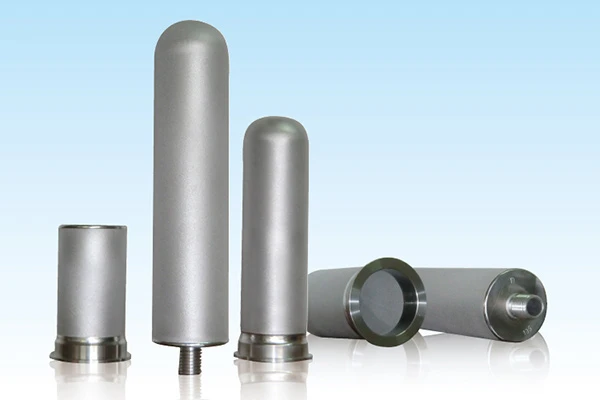
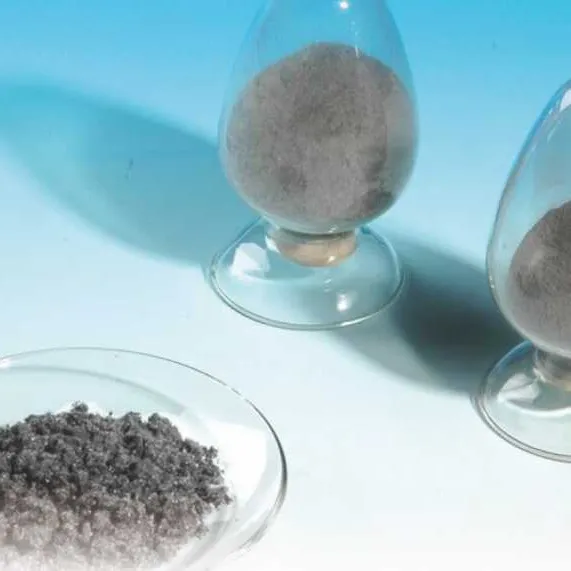
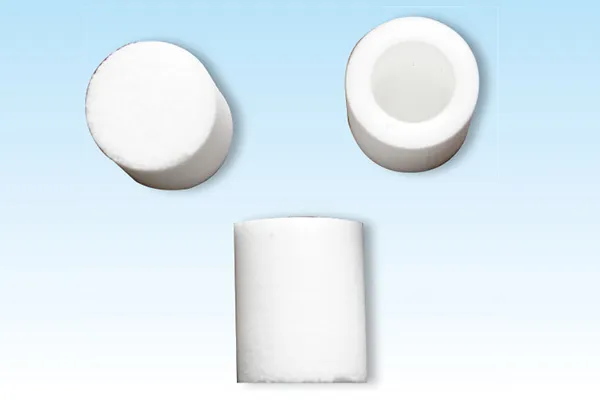
Put simply, a sintered metal powder filter is created by compressing and heating metal powders below their melting point, causing the particles to bond together. The result? A porous, solid matrix that filters fluids or gases with remarkable precision and endurance.
This structure mimics a microscopic sponge, allowing flow through tiny interconnected pores that trap contaminants. It’s less about filtering out just dirt and more about maintaining flow rates, resisting corrosion, and withstanding harsh conditions — qualities essential for modern industrial and humanitarian applications alike.
Key Aspects of Sintered Metal Powder Filters That Matter
Durability & Temperature Resistance
Unlike polymer or fabric filters that degrade quickly under extreme temperatures or chemicals, sintered metal powder filters can withstand heat as high as 1,000°C and exposure to corrosive environments. Their metal backbone ensures longevity, reducing replacement frequency and maintenance costs.
Precision Porosity & Filtration Efficiency
The filter’s porosity—its tiny passageways—can be engineered with absolute control, enabling filtration down to micron or sub-micron particle sizes. This precision means better protection for sensitive equipment, consistent output quality, and compliance with stringent industry standards.
Scalability & Customization
One of the interesting things about sintered metal filters: they’re hardly “one size fits all.” You can customize their shape, size, pore distribution, and even alloy composition. Whether for a tiny vacuum cleaner or a massive oil refinery unit, these filters scale accordingly.
Cost Efficiency Over Lifecycle
Admittedly, the upfront cost can be higher than disposable filters, but their longevity and performance quickly balance the scales. Many engineers say the “set-and-forget” factor—meaning less frequent swapping—translates to significant savings over years.
Environmental Sustainability
Since these filters are reusable and recyclable, they drastically reduce waste compared to single-use alternatives. In an era focused on circular economy principles, that’s a strong selling point.
Mini takeaway: Sintered metal powder filters marry toughness with precision. Their adaptability positions them as champions in demanding filtration environments worldwide.
Global Applications of Sintered Metal Powder Filters
These filters have found homes in diverse corners of the planet and industry:
- Energy Sector: In emerging markets of Africa and Southeast Asia, sintered metal powder filters help keep turbine engines and diesel generators running longer under dusty, harsh conditions.
- Pharmaceutical and Food Industries: Europe and North America rely on these filters for sterile air and liquid filtration, ensuring product safety and compliance with ISO standards (3).
- Water Treatment: In post-disaster relief efforts—say, after floods or earthquakes—portable water purification units often deploy sintered metal filters to rapidly provide safe drinking water.
- Aerospace: In high-tech manufacturing hubs like Japan and Germany, these filters maintain fuel and hydraulic systems in aircraft, withstanding extreme pressures and temperatures.
Oddly enough, their use in remote industrial zones, where replacement parts are hard to come by, makes them indispensable, keeping critical operations humming without constant attention.
Advantages & Long-Term Value of Sintered Metal Powder Filters
Beyond durability and precision, the benefits include:
- Reliability & Safety: Reduced risk of contamination means equipment runs cleaner and safer.
- Social Impact: Filters deployed in humanitarian projects improve community health by providing cleaner water and air.
- Innovation & Trust: Companies investing in these filters signal a commitment to quality and sustainability, building client trust.
- Cost Savings: Less downtime and maintenance translate directly to healthier bottom lines.
From a human standpoint, there’s something reassuring about using solutions that “just work” — technology that protects without fuss, day in and day out.
Emerging Trends and Innovations in Filter Technology
The future of sintered metal powder filtration looks bright, spurred by:
- Advanced Alloys: New materials such as nickel-based superalloys improve corrosion resistance in increasingly aggressive environments.
- Digital Manufacturing: 3D printing and additive manufacturing allow for intricate pore structures impossible before, boosting performance.
- Green Energy Applications: As renewable energy grows, filters that work in fuel cells and hydrogen systems are becoming vital.
- Automation: Smart sensor integration enables real-time monitoring of filter conditions, reducing surprise failures.
Challenges to Overcome and Practical Solutions
Despite their many virtues, sintered filters can be pricey upfront and require specialized manufacturing. Also, fouling—where pores clog over time—limits run length without cleaning.
Experts suggest routine ultrasonic cleaning, protective coatings, and smart maintenance scheduling to stretch usability. Meanwhile, ongoing R&D focuses on surfaces that repel contaminants inherently.
FAQ: Common Questions About Sintered Metal Powder Filters
- Q1: How long does a sintered metal powder filter typically last?
- A: With proper maintenance, these filters can last several years—often 5-10 years—much longer than conventional filters. Their robust construction resists wear and corrosion effectively.
- Q2: Are sintered filters suitable for food and pharmaceutical use?
- A: Absolutely. Their inert metal composition and ability to be sterilized make them ideal for sterile air and liquid filtration in highly regulated environments.
- Q3: Can sintered metal powder filters be cleaned and reused?
- A: Yes. Common cleaning methods include ultrasonic baths, backflushing, or chemical cleaning depending on the application, restoring filtration capacity multiple times.
- Q4: How do I choose the right pore size for my application?
- A: Pore size depends on target contaminants. Typical ranges vary from 0.5 to 100 microns. Consulting with manufacturers ensures matching filter specs to performance needs.
Product Specification Table
| Specification | Typical Range | Notes |
|---|---|---|
| Material | Stainless Steel 304/316, Nickel Alloys | Material selected based on corrosion resistance |
| Pore Size | 0.5 – 100 microns | Customized per filtration needs |
| Operating Temperature | Up to 1000°C | Depends on alloy used |
| Pressure Rating | Up to 50 bar | Application-specific |
| Filter Shape | Sheets, Cylinders, Discs, Custom | Designed around application requirements |
Vendor Comparison Table
| Vendor | Material Options | Customization Level | Typical Lead Time | Price Range |
|---|---|---|---|---|
| MetalFilt Solutions | SS 304/316, Nickel Alloy | High – pore size, shape, alloy | 4-6 weeks | $$$ |
| FilterForge Inc. | SS 316, Custom Alloys | Medium – standard shapes & pore sizes | 3-5 weeks | $$ |
| SinterTech Filters | Wide range, incl. Titanium alloys | Very High – custom designs & treatments | 6-8 weeks | $$$$ |
Wrapping Up and a Word to the Wise
So, in real terms, sintered metal powder filters are the unsung heroes keeping countless industrial and humanitarian processes effective and safe. Their strength, adaptability, and precision make them uniquely suited to tackle the “tough stuff” in filtration—whether it’s searing heat or microscopic contaminants.
If you’re involved in filtering critical fluids or air, it pays to explore how these filters might change your maintenance schedule, reduce costs, or improve environmental impact.
Ready to learn more about cutting-edge filtration? Browse our range of sintered metal powder filter products and expertise. Because, frankly, better filters mean smoother operations—and that’s a win for everyone.
Mini takeaway: While they might not make the headlines, sintered metal powder filters quietly champion performance, sustainability, and longevity on a global stage.
References
Post Time: Nov . 29, 2025 13:55