Understanding Multi-Layer Sintered Filters: Why They Matter in Today’s World
Multi-layer sintered filters might not be a term that rolls off the tongue easily, but they play a surprisingly pivotal role across a swath of industries worldwide. In essence, these filters are engineered to offer precise, durable filtration solutions by stacking layers of porous metal or ceramic materials fused together under heat and pressure—a process known as sintering. Why does this matter globally? Well, from clean water initiatives to petrochemical processing, and even aerospace applications, the reliability and efficiency of these filters underpin critical processes that keep economies moving and environments safer. Understanding multi-layer sintered filters isn’t just a niche engineering topic—it’s about grasping a key enabler of modern infrastructure and sustainable industry. ---Global Context: Why Multi-Layer Sintered Filters Are Crucial Today
To put things into perspective, global industrial output is set to grow by roughly 3.5% annually (World Bank), and with it, so does the demand for advanced filtration systems. The United Nations highlights water purification and air quality improvement as essential for public health, particularly in developing regions. Yet, one big challenge stubbornly persists: how to deliver highly effective filtration that balances durability, cost, and environmental impact. This is where multi-layer sintered filters come in. Their design confronts widespread issues like particulate contamination in water treatment plants or oil refinery processes—sectors that often face harsh conditions and tough regulatory frameworks (ISO 9001, ISO 14001). ---Defining Multi-Layer Sintered Filters
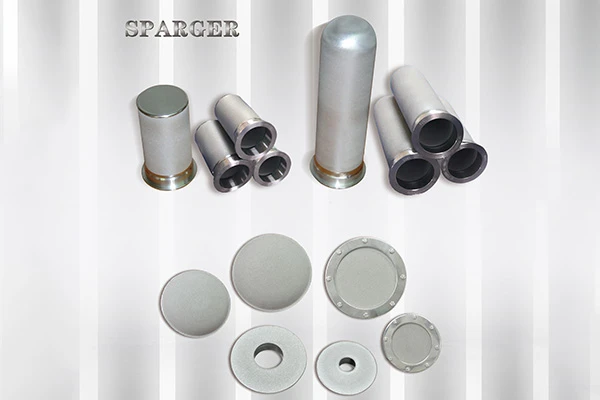
At its core, a multi-layer sintered filter consists of several fused layers of porous material—usually metal powders like stainless steel or nickel—compressed and heated until they bond. This creates a rigid yet permeable structure that can trap particles down to micro or even nano scales. Unlike single-layer filters, the layered setup allows for a gradient of pore sizes, optimizing flow rates while filtering contaminants efficiently. These filters are the unsung heroes behind many modern safety and quality standards, ensuring that everything from industrial gases to drinking water meets stringent purity criteria. ---Core Components That Make These Filters Stand Out
- Durability: The sintering process gives these filters mechanical strength that resists corrosion, high temperatures, and wear, making them excellent for harsh environments.
- Filtration Precision: By layering different pore sizes, contaminants of varying dimensions are captured in stages, improving overall performance.
- Scalability: Manufacturers can customize thickness and layer count, tailoring filters to applications that range from microelectronics to large-scale chemical plants.
- Cost Efficiency: Though initial costs may be higher than some conventional filters, longevity and resistance to fouling dramatically reduce replacement and maintenance expenses.
- Environmental Impact: These filters are often reusable after cleaning cycles, which cuts down waste—a critical factor in environmentally conscious sectors.
Real-World Applications: Where Multi-Layer Sintered Filters Shine
It’s fascinating how these filters show up in places you might never expect. For example:- Water Treatment in Developing Countries: Organizations rely on these filters to perform at excellent levels despite inconsistent water quality, especially in remote zones.
- Oil & Gas Industry: Filters ensure particulate matter doesn’t compromise refining processes or damage equipment under extreme temperatures.
- Aerospace & Automotive Sectors: Multi-layer sintered filters help maintain fluid purity, critical for safety and engine performance.
- Pharmaceutical Manufacturing: Here, contamination control is paramount; sintered filters guarantee sterile environments without introducing chemical byproducts.
- Disaster Relief Water Purification: In post-flood scenarios, portable filtration units equipped with these filters rapidly restore safe drinking water.
Advantages That Add Up Over Time
Looking beyond pure technical specs, these filters offer tangible benefits that influence decision-makers on multiple levels:- Long-Term Cost Savings: Reduced replacement frequency and downtime mean more predictable operational budgets.
- Environmental Stewardship: The reusable nature supports waste reduction initiatives—and that is increasingly important for companies striving to meet ESG (Environmental, Social, Governance) goals.
- Reliability & Safety: Knowing that filtration is consistent provides peace of mind to operators and communities alike.
- Innovation Enablement: The adaptability of layer configurations opens new avenues for specialized applications.
Future Trends: What’s Next for Multi-Layer Sintered Filters?
Advances are ongoing, and frankly, pretty exciting. Materials science is pushing boundaries with nano-engineered powders, which make these filters even finer and more efficient. Sustainability also drives innovation—with companies experimenting with recyclable or bio-based binders in the sintering process to cut carbon footprints. On the digital front, integration with sensors and IoT devices promises real-time monitoring of filter health and performance, reducing maintenance guesswork. Automation trends in manufacturing mean more uniform filter quality and tailored designs for complex custom jobs. ---Common Hurdles and How Experts Are Tackling Them
No solution is perfect, and multi-layer sintered filters face challenges, such as:- Initial Costs: Higher upfront investment can deter smaller operations.
- Cleaning Complexity: Multi-layer designs sometimes require specialized cleaning to maintain pore integrity.
- Limited Flexibility in Some Environments: Extreme chemical exposure can shorten lifespan.
FAQ: Frequently Asked Questions About Multi-Layer Sintered Filters
Q1: How do multi-layer sintered filters differ from standard single-layer filters?A: Multi-layer designs stack porous media with varying pore sizes, offering graduated filtration that improves flow and particle capture compared to single-layer filters, which may clog faster and be less versatile. Q2: Are multi-layer sintered filters reusable?
A: Yes, many can be cleaned and reused multiple times, which helps reduce waste and operating costs — though proper cleaning methods depend on the application. Q3: What industries benefit most from these filters?
A: Industries like water treatment, oil and gas, aerospace, pharma, and disaster relief see great value due to these filters’ durability and precise filtration. Q4: Can these filters handle extreme temperatures?
A: Typically, yes. The sintered metal and ceramic materials resist high temperatures and corrosive environments much better than fabric or polymer filters. Q5: Where can I find custom filter solutions?
A: Manufacturers like multi-layer sintered filter specialists offer customization in thickness, pore size gradients, and materials to suit specific needs. ---
Technical Specifications of a Typical Multi-Layer Sintered Filter
| Property | Specification |
|---|---|
| Material | Stainless Steel 316L / Nickel Alloy |
| Layer Count | 3 to 7 layers |
| Pore Size Range | 0.5 - 50 microns (variable per layer) |
| Operating Temp. | Up to 650°C (1202°F) |
| Absolute Pressure | Up to 20 bar (290 psi) |
| Cleaning Type | Backflushing / Ultrasonic / Chemical |
Vendor Comparison: Leading Providers of Multi-Layer Sintered Filters
| Vendor | Materials Offered | Customization | Typical Lead Time | Price Range |
|---|---|---|---|---|
| China Porous Filters | Stainless Steel, Nickel, Bronze | High (thickness & pores) | 3-5 weeks | Moderate |
| Porex Corporation | Metal & Polymer Sintered | Medium | 4-6 weeks | Higher |
| Mott Corporation | Advanced Metal Alloys | Medium | 5-7 weeks | Premium |
Wrapping It Up: Why Multi-Layer Sintered Filters Deserve Your Attention
Across industries and continents, multi-layer sintered filters quietly keep essentials clean and efficient—from safeguarding public health in water supplies to optimizing high-tech production lines. Their unique blend of durability, precision, and adaptability ensures they're more than just a component; they’re a strategic asset for long-term operational excellence. If you’re considering a robust filtration solution with proven track record and customization options to fit your particular challenge, don't hesitate to explore the offerings at China Porous Filters. After all, the right filter isn’t just about functionality—it’s about trust, innovation, and even the future of our planet. ---References
Post Time: Nov . 27, 2025 16:00