Understanding Membrane Filters: A Global Perspective
Membrane filters — you probably encounter the term more often than you realize. But why should anyone outside the water treatment or biotech industries care? Well, these little sheets of technology play a surprisingly huge role in health, sustainability, and even disaster relief worldwide. Understanding membrane filters means grasping one of the foundational tools helping solve global challenges, from clean drinking water to industrial purity. So, in essence, it’s about ensuring safety and better living conditions on a massive scale.
Global Importance of Membrane Filters
On a planetary level, the need for clean water and purified substances is critical. According to the United Nations, over 2 billion people live without access to safely managed drinking water services (UN Water, 2023). Membrane filters are key players here, thanks to their efficiency in filtering contaminants ranging from sediments to microscopic pathogens. Industries worldwide rely on them to meet stringent ISO standards for product purity and environmental safety.
Oddly enough, despite decades of progress, water scarcity and contamination remain pressing problems—where membrane filters offer practical, scalable solutions. Their global adoption is driven not only by public health demands but also by industrial growth, environmental regulations, and societal pushes towards sustainability.
What Exactly Are Membrane Filters?
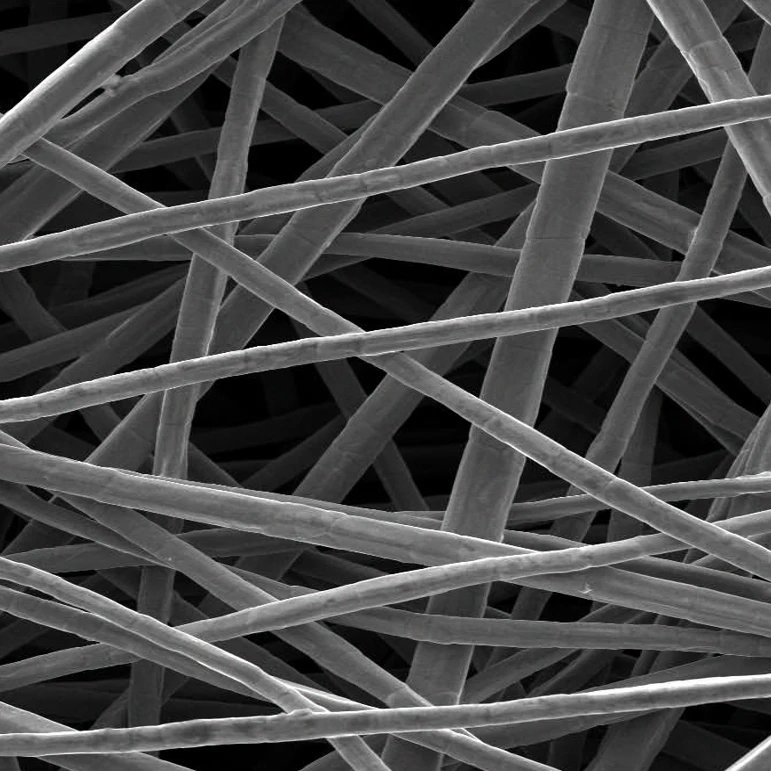
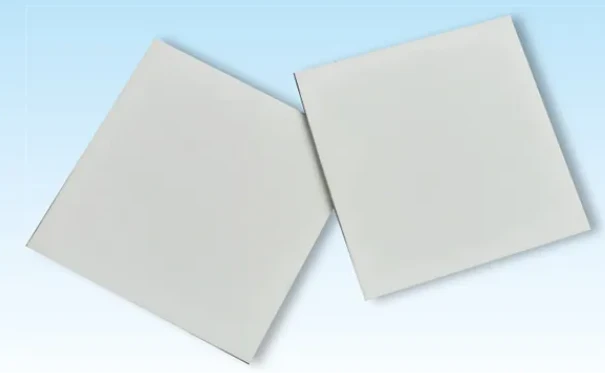
Simply put, membrane filters are thin films or sheets, usually polymeric or ceramic, featuring microscopic pores designed to separate substances based on size or chemical properties. Think of them as selective sieves that let certain particles pass but trap others. Their design varies widely depending on the application—from water treatment and food processing to biomedical fields.
Crucially, their precision makes them indispensable in modern industry and humanitarian efforts alike. Whether it’s ensuring sterile hospitals, supplying clean water after disasters, or purifying pharmaceuticals, membrane filters quietly but effectively support those goals.
Core Components of Membrane Filters
1. Durability
Membrane filters must withstand harsh chemicals, temperature shifts, and physical stresses. Materials like polyvinylidene fluoride (PVDF) or ceramic composites offer longevity in tough settings, making them cost-effective over time.
2. Pore Size and Selectivity
The pore size defines what gets filtered—ultrafiltration membranes block viruses and proteins, while microfiltration targets larger particles like bacteria. Precise control here means different industries can tailor filters to their specific needs.
3. Scalability
Filters must be adaptable—from small-scale lab uses to massive municipal water plants. Modular membrane systems provide this flexibility, allowing easy scale-up as demand increases.
4. Cost Efficiency
Even the best technology must be affordable and maintainable, especially in developing regions or disaster zones. Advances in manufacturing have reduced costs while maintaining quality.
5. Environmental Impact
Newer membranes focus on eco-friendliness, either by using biodegradable materials or enabling energy-efficient operations, reflecting increased emphasis on sustainability.
Comparison Table: Typical Membrane Filter Specifications
| Specification | Microfiltration | Ultrafiltration | Nanofiltration | Reverse Osmosis |
|---|---|---|---|---|
| Pore Size (microns) | 0.1 - 10 | 0.01 - 0.1 | 0.001 - 0.01 | |
| Typical Use | Removal of bacteria, sediments | Proteins, viruses | Hardness, organics | Water desalination, ionic removal |
| Material | Polypropylene, PVDF | Polyethersulfone (PES) | Thin-film composites | Composite membranes |
Global Applications & Use Cases
Membrane filters have found homes across continents and sectors. In Southeast Asia, compact ultrafiltration units provide rural communities with drinkable water, far from centralized treatment plants. In Europe’s pharmaceutical hubs, precision membrane filtration ensures sterile drug production — a matter of patient safety. Meanwhile, in disaster zones like post-hurricane Puerto Rico, portable membrane-based water purifiers helped restore clean water swiftly when infrastructure was down.
Industries such as food and beverage, chemical processing, and oil & gas also rely heavily on membrane filters to meet strict environmental and quality standards. They’re champions in places where every drop counted, or every particle removed mattered.
Vendor Comparison: Leading Membrane Filter Suppliers
| Feature | Vendor A | Vendor B | Vendor C |
|---|---|---|---|
| Product Range | Micro to nanofiltration | Reverse osmosis focus | Ultrafiltration specialists |
| Customization Options | Moderate | High | Basic |
| Global Service Network | Extensive | Selective regions | Emerging markets focus |
| Price Range | Mid | High | Low |
Advantages & Long-Term Value of Membrane Filters
- Cost savings: Less frequent replacement, lower chemical use, and efficient filtration reduce operational expenses.
- Sustainability: Reduced waste generation and lower energy consumption align with global eco goals.
- Reliability: Membrane filters consistently meet or exceed regulatory standards, building trust among users.
- Social impact: Access to clean water and pure products improve health outcomes and dignity worldwide.
Besides the logical benefits, there’s an emotional comfort in knowing a membrane filter silently protects millions from invisible hazards. That trust is priceless.
Future Trends & Innovations
The membrane filter landscape is evolving fast. Innovations like graphene-enhanced membranes promise unprecedented filtration efficiency and durability. Digital transformation, including sensors that monitor filter condition in real time, are starting to appear, making maintenance smarter and less guesswork-driven.
Additionally, the push for green technology means membranes made from biodegradable or recycled materials are moving from concept to reality. Automation integration in water treatment plants will reduce human error and optimize resource use, crucial in climate-sensitive regions.
Challenges & Expert Solutions
Of course, no tech is perfect. Membrane fouling (clogging) remains a major headache, cutting filter lifespan and increasing maintenance. Experts now emphasize pre-treatment stages to reduce fouling, and research explores self-cleaning membranes.
Another challenge is balancing cost with performance — especially in lower-income regions where budgets are tight but standards high. Innovative financing models and public-private partnerships often help bridge this gap.
FAQ: Frequently Asked Questions About Membrane Filters
- What types of contaminants can membrane filters remove?
- Membrane filters can remove a wide range of contaminants depending on pore size, including sediments, bacteria, viruses, organic compounds, and even dissolved salts with reverse osmosis.
- How long do membrane filters typically last?
- Filter lifespan varies by type and usage but commonly ranges from 6 months to several years. Proper maintenance and pre-treatment can significantly extend their service life.
- Are membrane filters eco-friendly?
- Many modern membrane filters focus on sustainability by using energy-efficient processes and recyclable materials. However, disposal and fouling remain environmental considerations.
- Can membrane filters be customized for specific industrial needs?
- Yes, manufacturers often offer tailored membranes adjusted for pore size, chemical resistance, and physical dimensions to suit various industrial applications.
- How do membrane filters perform in emergency or remote settings?
- Portable membrane filtration units provide reliable, quick deployment solutions in disaster zones or off-grid areas, offering safe water without reliance on complex infrastructure.
In Conclusion
Membrane filters quietly underpin many essential services worldwide, from clean drinking water to pharmaceuticals, fostering health, sustainability, and safety. With ongoing innovation and growing global demand, their impact will only deepen. If you're curious to explore or source membrane filtration solutions, you might want to visit membrane filters suppliers who combine quality with global reach.
Ultimately, membrane filtration is a story of simple science meeting complex challenges — and kind of winning, one clean drop at a time.
References:
Post Time: Dec . 02, 2025 08:10