Understanding the Hydrophobic Filter: A Global Perspective on Innovation and Utility
The hydrophobic filter might sound like a niche technical device, but it’s becoming increasingly vital across many industries and humanitarian sectors worldwide. Simply put, these filters repel water yet allow gases or specific particles to pass through, which offers unique advantages. With challenges like water contamination, industrial emissions, and the need for clean air solutions escalating globally, hydrophobic filters are quietly stepping into the spotlight. They promise improved sustainability, cost efficiency, and safety — benefits that don’t just matter to engineers and manufacturers, but to all of us.
Introduction: Why the World Needs Hydrophobic Filters
Globally, waterborne contamination affects billions, with the World Health Organization estimating around 2 billion people drinking contaminated water daily. In parallel, industrial sectors face increasing regulatory pressure from ISO standards and UNEP initiatives to reduce emission and effluent pollutant levels. Hydrophobic filters, by virtue of their water-repelling capabilities, address critical problems — from purifying medical air supplies to safeguarding water filtration in harsh environments. The increasing demand for effective filtration solutions is driven not only by environmental necessity but also by the growing urge for lightweight, durable, and energy-efficient technologies. Frankly, the hydrophobic filter’s role is expanding quietly but surely in this context.
Defining Hydrophobic Filters: What Are They Exactly?
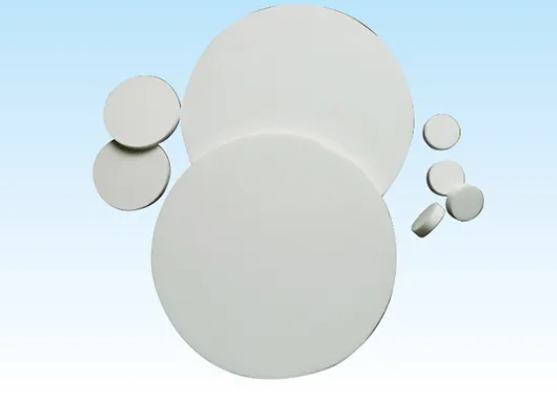
At its core, a hydrophobic filter is a specialized membrane or porous material engineered to repel water molecules while allowing gases or certain liquids to permeate. Think of it as selectively 'water-fearing' — this characteristic helps prevent water clogging that typically hinders many standard filters. These filters find homes in industries ranging from medical devices (where sterile, moisture-free air is critical) to environmental and chemical sectors requiring durable, contamination-resistant membranes. You know, it’s this balancing act — repelling water but allowing airflow — that makes hydrophobic filters fascinating and indispensable.
Core Components and Key Factors of Hydrophobic Filters
1. Material Composition
Typically built from materials like polytetrafluoroethylene (PTFE) or specialized polypropylene, these membranes exhibit low surface energy, which is the primary reason for their water repellency. Engineers often choose materials based on chemical resistance, thermal stability, and mechanical strength.
2. Durability and Lifespan
Hydrophobic filters must endure aggressive environments — imagine chemical plants or outdoor water treatment systems — so robustness against wear, UV exposure, and pressure fluctuations is crucial.
3. Scalability
The applications demand scalable solutions that fit both small-scale point-of-use water filters and large industrial exhaust systems. Modular designs help meet these diverse needs efficiently.
4. Cost Efficiency
While hydrophobic filters often cost more upfront than traditional filters, their longevity and reduced maintenance needs mean better lifecycle economics. Many engineers tell me the total cost of ownership usually wins managers over.
5. Air/Gas Permeability
Maintaining airflow or gas exchange while blocking water is a delicate trade-off. High-quality filters offer excellent gas permeance without sacrificing hydrophobicity.
Global Applications and Use Cases
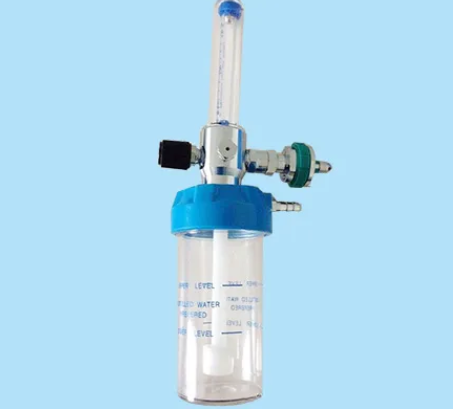
Hydrophobic filters see compelling use cases worldwide — from northern Europe’s wastewater treatment plants to remote operations in the Australian mining sector. Oddly enough, their role in post-disaster relief is also significant: in emergency water purification kits, where access to clean, safe water quickly can be lifesaving. Hospitals globally rely on these filters in ventilators to ensure sterile air without moisture contamination, especially key in the ongoing pandemic care landscape.
In fact, many NGOs deploying rapid water filtration solutions in sub-Saharan Africa praise these filters for their durability and adaptability. A memorable example comes from a disaster-hit Southeast Asian region, where a small NGO used them in portable filtration units to provide clean drinking water to thousands displaced by floods.
Advantages and Long-Term Value
- Sustainability: Longer-lasting components reduce waste and environmental impact.
- Reliability: Maintenance cycles stretch, with fewer failures due to clogging.
- Social Impact: Access to clean air and water promotes health and dignity.
- Cost Savings: Though initial costs are higher, less downtime and replacement equal lower total costs.
When you think about it, these benefits feed both logical operational efficiency and emotional peace of mind — safety for workers, assurance for communities, and trust in the technology.
Product Specification Table: Typical Hydrophobic Filter Characteristics
| Specification | Details |
|---|---|
| Material | PTFE / Polypropylene |
| Pore Size | 0.1 to 0.45 microns |
| Operating Temperature | -40°C to 150°C |
| Airflow Rate | Up to 500 L/min |
| Water Contact Angle | Above 120° (hydrophobic) |
| Lifespan | 2-5 years (typical) |
Vendor Comparison: Hydrophobic Filter Providers
| Vendor | Filter Material | Price Range (USD) | Typical Applications | Lead Time |
|---|---|---|---|---|
| AquaTech Filters | PTFE Membrane | $100 - $500 | Medical, Water Treatment | 2-3 weeks |
| EnviroSafe Solutions | Polypropylene | $80 - $350 | Industrial, Automotive | 1-2 weeks |
| ClearAir Membranes | PTFE / Hybrid | $150 - $600 | HVAC, Cleanrooms | 3-4 weeks |
Future Trends and Innovations in Hydrophobic Filters
Looking ahead, the hydrophobic filter landscape is evolving with materials science breakthroughs — think graphene-infused membranes or bio-inspired lotus-leaf surfaces enhancing hydrophobicity beyond traditional materials. Additionally, the rise of Industry 4.0 means sensors embedded in filters can monitor performance in real-time, enabling predictive maintenance and boosting operational uptime.
Moreover, as green energy initiatives ramp up globally, filters designed to operate with minimal environmental footprints are gaining attention. Technologies like photocatalytic coatings may allow filters not only to repel water but degrade contaminants simultaneously — an exciting fusion of function. So yes, the future is quite promising.
Challenges and Solutions
Of course, these filters aren't without limitations. Hydrophobic membranes can be sensitive to fouling by oils or particulates — and improper handling risks damaging their delicate structure. Scaling production without losing quality is another hurdle, especially for customized industrial applications.
Innovative answers include advanced surface treatments that resist oils, hybrid composite filters that combine hydrophobicity with durability, and careful quality control protocols. Collaboration between material scientists and end-users often drives practical, cost-effective solutions. Experience suggests the 'right fit' often comes from bespoke design rather than off-the-shelf options.
FAQ: Frequently Asked Questions About Hydrophobic Filters
- Q1: How does a hydrophobic filter differ from a regular filter?
- A1: Unlike standard filters, hydrophobic filters repel water, preventing moisture-related clogging. This allows them to maintain airflow or gas permeability in wet environments, enhancing their durability and performance.
- Q2: What industries benefit most from hydrophobic filters?
- A2: Medical, environmental, chemical, and industrial sectors frequently rely on these filters — particularly for clean air delivery, water purification, and emission control applications.
- Q3: Can hydrophobic filters be cleaned and reused?
- A3: Yes, many can be cleaned depending on contaminant type and filter design. However, aggressive cleaning can degrade hydrophobic coatings, so following manufacturer guidance is essential.
- Q4: Are hydrophobic filters compatible with high-temperature environments?
- A4: Generally, yes. Most are designed to withstand temperatures up to 150°C, but always check material specifications for specific thermal limits.
- Q5: How do I select the right hydrophobic filter for my application?
- A5: Consider factors such as pore size, material compatibility, airflow requirements, and environmental conditions. Consulting with vendors or experts can help tailor a solution to your needs.
Conclusion
In sum, hydrophobic filters offer an elegant solution to the perennial challenge of separating water from gas or air flows in a variety of applications. Their global significance is rooted in the quest for cleaner, safer, and more sustainable filtration systems. Whether for medical devices, industrial processes, or humanitarian emergency kits, these filters deliver long-term value by combining durability, efficiency, and versatility.
If you want to dive deeper or source reliable hydrophobic filters tailored to your project, visit our website: https://www.chinaporousfilters.com. It’s a gateway to trusted expertise and cutting-edge technology — frankly, well worth exploring.
Oddly enough, something as simple as a filter can make a profound difference in health, safety, and environmental quality around the globe. Worth keeping an eye on, I'd say.
Post Time: Dec . 02, 2025 03:20