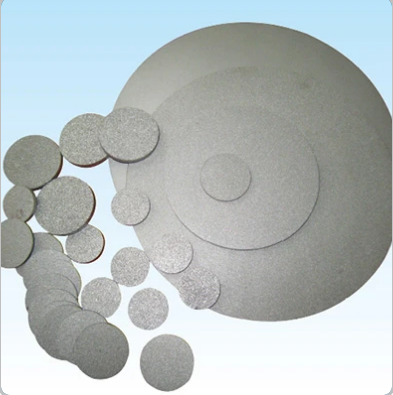
Understanding the Self-Sealing Filter: Revolutionizing Filtration Technology
In a world increasingly defined by environmental challenges and manufacturing precision, the self-sealing filter is quietly making a big impact. Whether we're talking about water purification, fuel filtration, or even industrial gas treatment, the ability of a filter to "self-seal" when damaged can prevent contamination, reduce downtime, and safeguard expensive equipment. The significance? Globally, industries that rely on contaminant-free processes face billion-dollar losses yearly due to leaks and filter failures. Understanding this technology – what it is and why it matters – is becoming essential.
Introduction: The Global Context of Self-Sealing Filters
Filters are everywhere, from the fuel lines in remote oil rigs to water systems in humanitarian aid camps. According to the International Organization for Standardization (ISO), industrial filtration standards continuously evolve to reduce failures that lead to safety hazards or environmental spills. The self-sealing filter concept addresses a pressing challenge: how to maintain filtration integrity even when the filter medium develops a leak or rupture.
For example, in developing regions where resource access is limited, filter failure can compromise clean water or fuel supplies, leading to health crises. The World Bank estimates that polluted water and contaminated fuel indirectly cost billions in healthcare and lost productivity. Hence, self-sealing filters are not just technical gadgets; they’re crucial safeguards.
What Exactly Is a Self-Sealing Filter?
To put it simply, a self-sealing filter is a filtration device designed to automatically close off any perforations or damage that would otherwise allow unfiltered fluid to pass through. Imagine a conventional filter membrane that, when punctured, would instantly let contaminants by—this is where the self-sealing design shines. It uses specialized materials and engineering—often incorporating porous media that, upon exposure to fluid or air, swell or deform to seal any leaks.
This innovation has found a home not only in heavy industry but also in humanitarian contexts, where reliability under unpredictable conditions is paramount. It’s a small change in design, but it fundamentally boosts the reliability of filtration under stress.
Core Components of Self-Sealing Filters
1. Durable Porous Material
These filters generally feature advanced porous media—often ceramic or polymer composites—that withstand mechanical stress. Their microstructure allows fluid flow but is robust enough to hold together during minor damage.
2. Swelling Sealing Layer
Many self-sealing filters incorporate a swelling layer that reacts chemically or physically when exposed to certain fluids (like water or hydrocarbons). This essentially "plugs" holes on the fly.
3. Reinforced Frame
A sturdy housing prevents deformation that can aggravate leaks. It also aids in quick replacements during scheduled maintenance while ensuring the filter stays sealed during operation.
4. Multi-Stage Filtration
Some designs layer filters of different porosities, so if one stage begins leaking, the next one still captures contaminants.
5. Compatibility with Various Fluids
From oils to potable water, modern self-sealing filters are engineered with chemical resistance in mind, making them versatile across applications.
Self-Sealing Filters: Real-World Applications
- Disaster Relief Operations: Agencies working in earthquake or flood zones use self-sealing filters in portable water purification systems. The rough handling and debris increase damage risk, but self-sealing technology ensures water stays safe.
- Remote Industrial Zones: Oil and gas extraction sites in places like Siberia or the Middle East rely heavily on these filters. They prevent costly contamination of expensive machinery in tough climates.
- Medical and Pharmaceutical Manufacturing: Strict cleanroom standards require fail-proof filtration. Self-sealing filters reduce the risk of particles entering sensitive product streams.
- Renewable Energy: Wind turbines and solar power plants incorporate them to filter cooling or hydraulic fluids, ensuring minimal downtime due to contamination.
Advantages and Long-Term Benefits
- Cost Efficiency: They reduce the need for emergency repairs by preventing leaks before they grow, which translates into less downtime and fewer expensive replacements.
- Environmental Sustainability: By preventing contamination events—like oil spills—they help companies meet environmental regulations and reduce ecological damage.
- Social Impact: In water filtration, safe & reliable systems raise community health standards, especially in underdeveloped regions.
- Reliability and Trust: Operators can trust that even when minor damages occur, the filter “self-heals,” allowing uninterrupted operation.
Product Specifications of a Typical Self-Sealing Filter
| Specification | Details |
|---|---|
| Filter Medium | Polymer Composite with Swelling Layer |
| Micron Rating | 5 - 50 microns (application dependent) |
| Max Operating Pressure | 350 psi (24 bar) |
| Temperature Range | -40°C to 150°C (-40°F to 302°F) |
| Compatibility | Water, hydrocarbons, chemical solvents |
Vendor Comparison: Leading Providers of Self-Sealing Filters
| Vendor | Material Technology | Max Pressure (psi) | Typical Industries | Custom Solutions |
|---|---|---|---|---|
| PureFlow Filters | Polymer Composite + Silicone Swelling | 300 | Pharma, Oil & Gas | Yes |
| EcoSeal Filters | Ceramic + Hydrogel Layer | 350 | Water Treatment, Renewable Energy | Limited |
| ShieldTech Solutions | Advanced Polymer + Reactive Sealing | 280 | Industrial, Military | Yes |
Emerging Trends and Innovations in Self-Sealing Filters
Looking ahead, the landscape of self-sealing filters seems poised to incorporate more “smart” materials—those that react to not just damage but environmental cues such as temperature or pH changes. For instance, integrating nanomaterials that can also capture and neutralize contaminants is on the horizon. Automation in filter monitoring, employing IoT sensors, will allow real-time status updates to prevent any system failures proactively.
Likewise, sustainability trends push for biodegradable or recyclable filter components that still retain the self-sealing functionality—somewhat of a holy grail in filtration tech. Given global carbon footprint concerns, innovations are leaning toward eco-friendly production and disposal.
Challenges & Expert Solutions
Of course, no technology is perfect. Self-sealing filters sometimes face limitations with certain aggressive chemicals or extremely high pressures. There’s also the risk that repeated sealing cycles can degrade materials over time.
Experts recommend rigorous material testing under site-specific conditions, plus modular designs that allow filter media to be swapped out without system downtime. Some vendors now offer customizable seals tailored to particular industrial fluids, improving lifespan and performance. It’s a fast-evolving area that rewards adaptive engineering and close client cooperation.
FAQ: Your Questions About Self-Sealing Filters Answered
- How does a self-sealing filter handle a puncture differently than traditional filters?
- Unlike traditional filters, which leak contaminants after puncture, self-sealing filters use swelling or reactive materials to close damages automatically, preventing unfiltered fluid passage and maintaining integrity.
- Can self-sealing filters be used for both water and oil filtration?
- Yes, many modern self-sealing filters are designed with materials that resist chemical degradation and swelling behaviors suited for both water and hydrocarbon-based fluids.
- What maintenance is required for self-sealing filters?
- Although self-sealing filters reduce emergency issues, regular inspections and scheduled replacements remain necessary to ensure long-term reliability and maintain filtering efficiency.
- Are self-sealing filters cost-effective compared to traditional ones?
- While initially more expensive, their ability to prevent leaks and downtime often results in lower total operational costs in the medium to long term.
- How can NGOs procure self-sealing filters for field operations?
- NGOs can partner with specialized manufacturers or distributors who provide portable self-sealing filtration units, often customizable for local conditions. International shipping and customs support from vendors help streamline this process.
Conclusion: The Long-Term Value of Self-Sealing Filters
It’s clear that self-sealing filters represent a smart and increasingly necessary evolution in filtration technology. They deliver peace of mind by maintaining system integrity, cut costs by avoiding contamination events, and align with global drives toward sustainability and safety. The technology continues to grow, rich with innovation and expanding applications.
If you want to explore cutting-edge self-sealing filter products and custom solutions for your needs, I encourage you to visit the website and see what’s new in this fascinating area.
In the end, filters like these quietly keep our world cleaner, safer, and running smoothly—often without us even realizing it.
Quick take: A self-sealing filter is a simple but profound innovation that ensures safety, saves costs, and supports sustainable industrial practices worldwide.
Post Time: Dec . 02, 2025 16:38