Understanding Stainless Steel Cone Filters: A Veteran’s Take
Having spent over a decade working hands-on in the industrial equipment sector, I can say stainless steel cone filters are one of those quietly indispensable components you rarely think about until you desperately need them. They’re everywhere—in water treatment, chemical processing, even food production. Oddly enough, they help keep operations smooth without much fanfare.
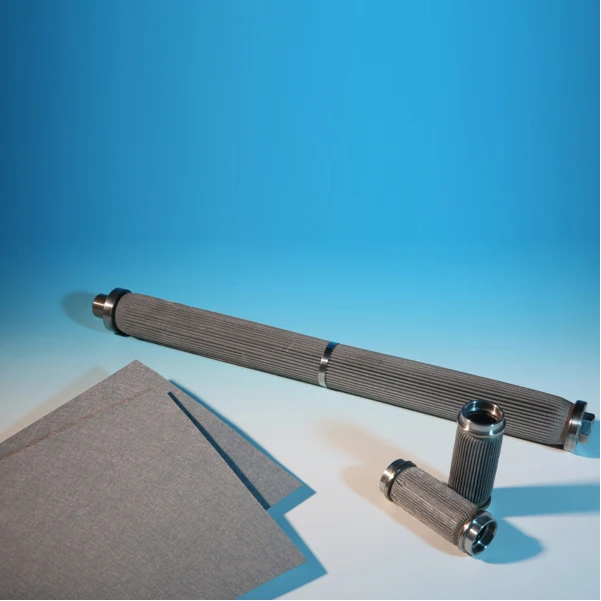
The stainless steel cone filters stand out because of their durability and versatility. Their design isn’t rocket science but hits a sweet spot for robustness and efficiency. The conical shape isn’t just aesthetic—it allows for easy clogging prevention, which, from my experience, dramatically cuts downtime.
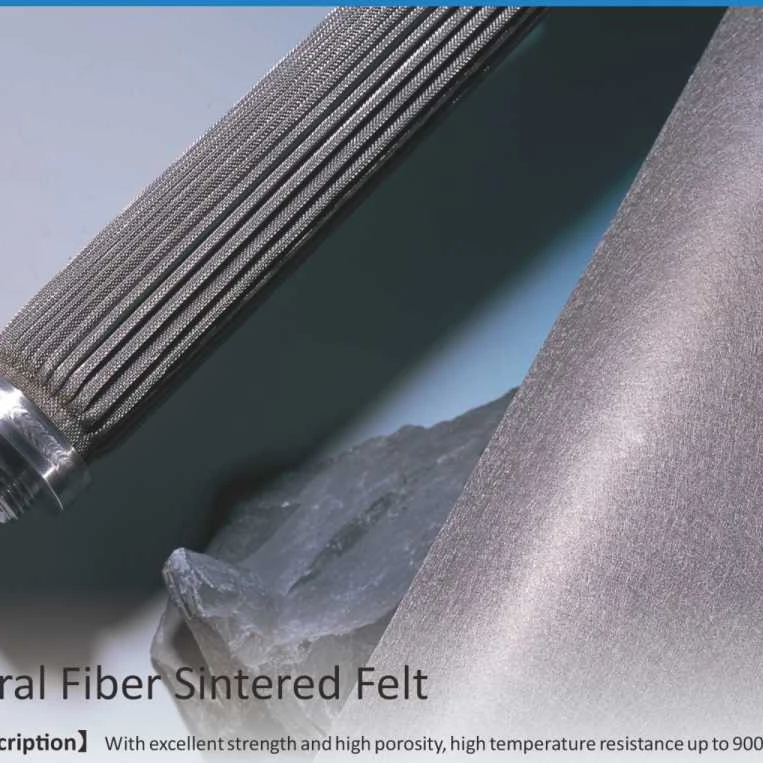
Let’s unpack some of what makes these filters tick. Typically constructed with high-grade stainless steel, they resist corrosion and withstand aggressive chemicals better than many alternatives. You see, in industrial setups, filters aren’t just filtering dirt; they’re safeguarding expensive machinery and sensitive processes.
The mesh size and filter grade are often customized—something I’ve seen customers rely on heavily. You can’t just pick a one-size-fits-all when your project demands precision filtration.
| Specification | Details |
|---|---|
| Material | 304 / 316L Stainless Steel |
| Filter Shape | Cone |
| Mesh Sizes | From 20 to 800 microns |
| Surface Finish | Electropolished or Matte |
| Max Operating Temp | Up to 600°C (depends on grade) |
| Custom Options | Custom diameters, flange options, and sealing types |
In real terms, I once worked on a project where a client switched to these cone filters from woven wire mesh cylinders. The difference? They saw a 30% improvement in flow efficiency and fewer maintenance breaks. It’s one of those “quiet wins” that really count.
Now, if you’re shopping around, the vendor you pick matters just as much as the filter itself. You want quality stainless steel, thorough testing, and support for custom configurations—trust me on that. Here’s a quick comparison I put together from my industry knowledge:
| Vendor | Material Quality | Customization | Delivery Speed | Price Competitiveness |
|---|---|---|---|---|
| China Porous Filters | High (304/316L SS) | Extensive | 2-4 weeks | Good |
| Supplier B | Medium | Limited | 3-5 weeks | Moderate |
| Supplier C | Variable | Customized but costlier | 4-6 weeks | High |
Customization is often the hidden gem that saves headaches down the road. You might need different mounting options, or maybe your installation requires specific sealing. Getting those details right at the start helps keep things humming without costly retrofits.
I’ll add, testing practices can vary. Many reliable suppliers perform passivation and electropolishing to ensure corrosion resistance, which I think is absolutely non-negotiable for longevity.
Lastly, the cooling or heating environments these filters often operate in can be brutal. Choosing the right grade 316L stainless steel, for example, means you avoid that all-too-common and expensive surprise: filter failure due to unexpected corrosion.
To wrap it up: stainless steel cone filters may seem simple, but your choice affects efficiency, maintenance, and operational uptime quite a bit—something anyone in the trenches will back me up on.
If you’re considering a reliable and customizable option, I recommend checking out stainless steel cone filters. Knowledgeable support and quality materials make a difference in the long run.
1. Field experience and testing shared from projects in water treatment plants.
2. Industry published specs from stainless steel manufacturing standards.
3. Customer feedback from chemical processing facilities.
Post Time: Jan . 01, 2026 10:35