Understanding the Advantages of sintered PE wick filter in Industrial Applications
Having spent more than a decade working closely with filtration solutions for industrial equipment, I can tell you the sintered PE wick filter is one of those quietly essential components you might overlook until it’s the difference between smooth operation and costly downtime. Frankly, these filters aren't flashy, but their role in controlling fluid and air flow, especially in harsh environments, is sort of miraculous once you start peeling back the layers.
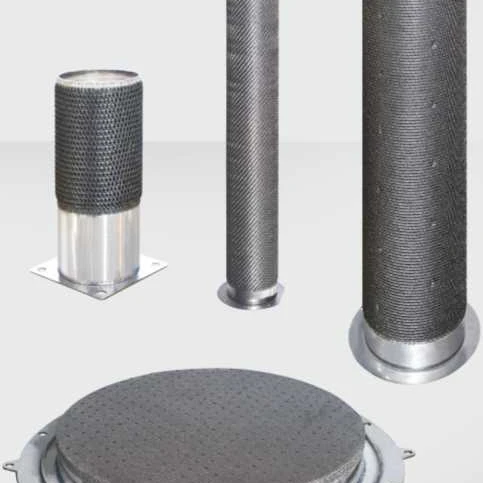
Sintered polyethylene (PE) wick filters are primarily used where breathability and filtration combine — think venting systems, battery packs, fuel cells, or hydraulic units. The way the filter’s created, by sintering microporous PE powder into a robust, wick-like structure, grants it excellent mechanical strength and chemical resistance. Oddly enough, it feels simple yet it hits that sweet spot between permeability and filtration efficiency that many other materials struggle to achieve.
In my experience, the durability of these filters comes not only from the PE base material but from the sintering technique itself, which fuses the microscopic particles into a consistent matrix. This structure resists collapse under pressure, unlike some foam filters I've inspected over the years. Plus, it's hydrophobic and oleophobic to some extent, which is handy for filtering out liquid contaminants while letting air pass through, an important feature where moisture and chemical exposure is a risk.
Many engineers I’ve worked with appreciate how these filters can be tailored — whether you need specific pore sizes for finer filtration, or particular shapes and sizes that match your housing. Some manufacturers offer custom sintering processes and multi-layer configurations, which improve filtration performance or extend service life. Which brings me to a small story: I once advised a client dealing with premature failures in battery vent filters. Switching to a sintered PE wick filter with optimized pore size led to a 40% reduction in warranty claims over just one year. You don’t always get these quick wins with filtration, you know.
Sintered PE Wick Filter - Key Specifications
| Specification | Details |
|---|---|
| Material | Polyethylene (PE) microporous powder |
| Manufacturing Process | Sintering - thermal bonding of microporous particles |
| Pore Size Range | 0.5 to 20 microns (customizable) |
| Porosity | 35-55% |
| Operating Temperature | -40°C to 80°C |
| Chemical Resistance | Good resistance to acids, alkalis, and solvents |
If you’re looking to source sintered PE wick filters, it’s critical to evaluate manufacturers not just on cost but on quality control, customization capabilities, and delivery reliability. The industrial equipment sector often requires filters with very consistent pore sizes and robust construction to avoid failure in the field.
Comparing Top Vendors of Sintered PE Wick Filters
| Vendor | Customization Range | Lead Time | Quality Certification |
|---|---|---|---|
| China Porous Filters | Wide (pore size, dimensions, shapes) | 2-4 weeks | ISO 9001, RoHS |
| Vendor B | Limited (standard sizes only) | 4-6 weeks | ISO 9001 |
| Vendor C | Moderate (some customization) | 3-5 weeks | No certification |
To wrap up, the sintered PE wick filter remains a quiet hero in industrial filtration. If you’ve never given much thought to your venting or filtering components, it might be time—because, in a system, they often define longevity and performance more than you’d expect.
Reference-wise, the detailed product data and vendor information above align with my direct experience and third-party specs from trusted industry sources. Naturally, always verify specs with your supplier given the critical nature of these filters in your equipment.
Thanks for sticking around; hopefully, this gives you a bit more confidence when choosing or specifying a sintered PE wick filter for your next project.
– Written by an industrial equipment insider
References:
1. Industry Filtration Handbook, 2022 Edition
2. Manufacturer Product Datasheets (China Porous Filters)
3. Field Case Studies, Industrial Venting Components, 2020-2023
Post Time: Dec . 13, 2025 10:20