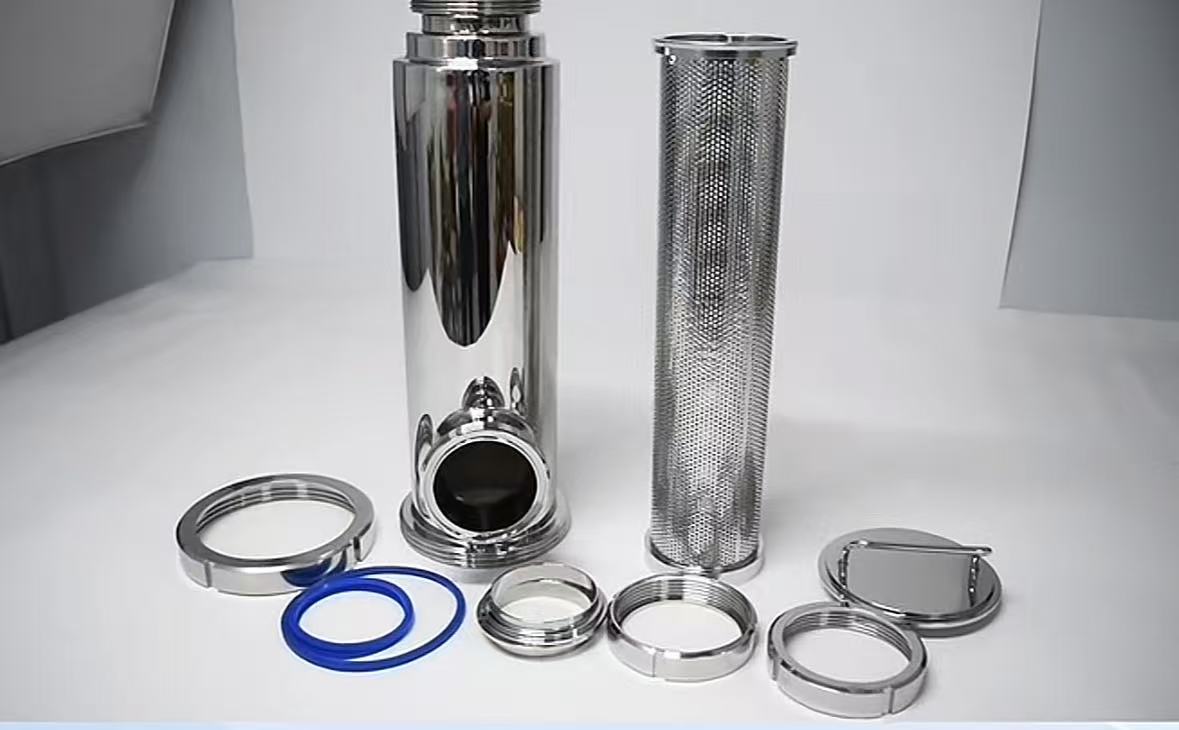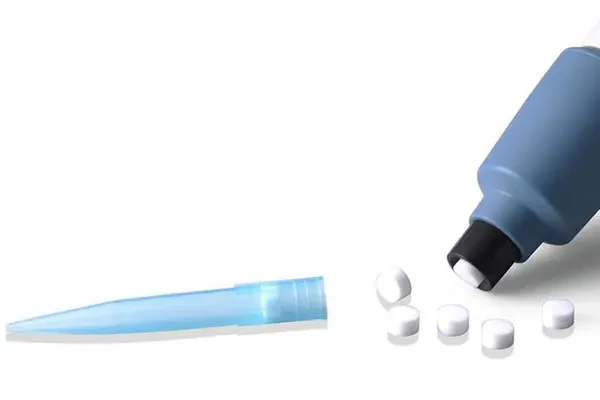
Sintered Filter Sheets are often the unsung heroes in industrial filtration systems. Frankly, if you deal with fluid filtration, their rugged, precise nature makes them a go-to solution for demanding environments. This article explores how https://www.chinaporousfilters.com supports professionals with durable, high-performance products, and explains why this product is an ideal choice for businesses in these sectors.
Table of Contents
- Sintered Filter Sheets Overview
- Benefits & Use Cases of Sintered Filter Sheets
- Cost, Maintenance & User Experience
- Sustainability & Market Trends
Sintered Filter Sheets Overview
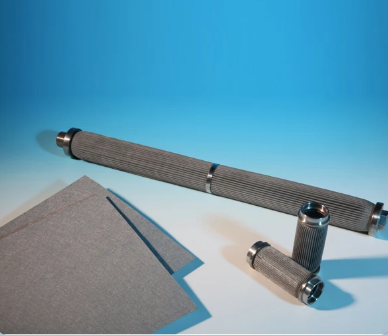
Sintered filter sheets are uniquely manufactured porous media created by fusing metal powders at high temperatures without melting them entirely — a process called sintering. This technique yields a rigid, consistently porous structure with excellent mechanical strength and stable permeability. These sheets, usually made from stainless steel or other corrosion-resistant alloys, are engineered for filtering particles, catalysts, or contaminants in liquids and gases where durability and precision are non-negotiable. Oddly enough, their wide pore size distribution can be customized to target anything from micron-sized impurities to larger particulates.
- Primarily, sintered filter sheets cater to industries requiring high-performance filtration with exceptional chemical and thermal resistance.
- For example, a case study from a multinational chemical processing firm showed increased uptime by 20% after retrofitting with sintered sheets due to lower clogging and easier cleaning.
| Specification | Details |
|---|---|
| Material | 304/316 Stainless Steel, Nickel Alloy |
| Pore Size Range | 0.1 to 100 microns (customizable) |
| Operating Temperature | Up to 650 °C (variable by alloy) |
| Pressure Resistance | Up to 3.0 MPa |
| Typical Thickness | 0.5 mm to 3.0 mm |
Benefits & Use Cases of Sintered Filter Sheets
You know, the benefits of sintered filter sheets go well beyond the obvious. Industrial users value these sheets because they withstand harsh chemicals, high temperatures, and mechanical stress without deforming or losing filtration precision. This makes them ideal in petrochemical refining, pharmaceutical manufacturing, and even water treatment plants. Plus, they often outperform traditional woven or polymer-based filters in longevity and consistency.
- The sheets’ ability to be cleaned and regenerated multiple times helps reduce downtime and replacement costs significantly.
- A key advantage is their customizable pore size and thickness – allowing engineers to fine-tune filtration for very specific particulate removal requirements.
Vendor Comparison: Leading Sintered Filter Sheets Suppliers
| Supplier | Material Options | Pore Size Range | Lead Time | Customization |
|---|---|---|---|---|
| China Porous Filters | 304, 316 Stainless Steel, Nickel Alloy | 0.1 - 100 µm (wide range) | 2-4 weeks | Fully Customizable |
| GlobalFilt Inc. | 316 Stainless Steel | 0.5 - 80 µm | 4-6 weeks | Limited Customization |
| FiltTech Solutions | Carbon Steel, Stainless Steel | 1 - 50 µm | 3-5 weeks | Standard Sizes Only |
Cost, Maintenance & User Experience
While sintered filter sheets can appear pricier upfront compared to traditional fabric or polymer-based filters, their total cost of ownership tells a different story. Durability plays a massive role here — these sheets last for years, even in tough chemical environments. Maintenance tends to be straightforward; usually, a backflush or ultrasonic cleaning restores them to near new condition. Feedback from chemical plant operators highlights ROI improvements mainly due to fewer process interruptions and reduced filter replacements.
- Operators report smoother workflow, with significantly less downtime to change filters.
- The ease of cleaning means labor costs on maintenance drop as well; it feels like investing once, benefiting for years.
Sustainability & Market Trends
Sustainability is no longer an afterthought in filtration industries — in real terms, it’s becoming a core requirement. Sintered filter sheets support this by being reusable and made from mostly recyclable metals. Regulatory bodies increasingly demand cleaner processes with less waste, placing these filters in the spotlight. Market trends show their adoption is growing fast, especially where strict environmental compliance is needed, like pharma or food processing. Oddly enough, the blend of tech advancement and eco-consciousness seems like a winning combo driving innovation here.
- Companies seek to minimize landfill waste by maximizing filter lifespan — sintered sheets fit perfectly into this ethos.
Frequently Asked Questions about Sintered Filter Sheets
- What is Sintered Filter Sheets and how does it work?
- Simply put, sintered filter sheets are porous metal sheets made by heating powdered metal until particles fuse together without melting completely. This creates a durable filter with tightly controlled pores that trap contaminants while letting fluids pass through.
- What are the main benefits of using Sintered Filter Sheets in industrial applications?
- Their key benefits include exceptional durability, high temperature and chemical resistance, customizable filtration levels, and the ability to be cleaned and reused repeatedly, reducing overall costs.
- How does Sintered Filter Sheets compare to traditional alternatives?
- Compared to fabric or polymer filters, sintered sheets last longer under harsh conditions, offer better structural stability, and maintain filtration efficiency over time, which cuts maintenance cycles and downtime.
- What industries can benefit most from Sintered Filter Sheets implementation?
- Industries like chemical processing, pharmaceuticals, food & beverage, and wastewater treatment rely heavily on these filters for their robust performance and compliance to strict purity standards.
Conclusion on Sintered Filter Sheets from china
To wrap it up, sintered filter sheets offer a durable, versatile, and cost-efficient filtration option that many industries are embracing more and more. Their customizable features and resilience in tough environments make them a sound investment. For companies aiming to improve process reliability and meet tighter regulatory demands, sourcing through dependable suppliers like China Porous Filters might just be the smart move.
- Know your filtration needs, understand your options, and don’t hesitate to reach out to trusted vendors.
- Visit our website: https://www.chinaporousfilters.com
It’s always fascinating to see how something as seemingly simple as a filter sheet quietly shapes the success of big industrial operations. The next time you hear "sintered filter," you’ll know it carries a lot of weight behind the scenes.
References:
- Industry Case Study on Chemical Plant Filtration Upgrades, 2023
- Materials Science Journal: Advances in Sintering Technologies, 2022
- Environmental Compliance and Filtration Market Trends Report, 2024
Post Time: Dec . 03, 2025 17:16