Washable Cartridge Filter: A Comprehensive Guide
Selecting the right filtration system is crucial for maintaining efficiency and product quality in numerous industries. Washable cartridge filters offer a cost-effective and environmentally friendly alternative to disposable filters. This article provides an in-depth look at the benefits, applications, and considerations for choosing a washable cartridge filter, especially those offered by China Porous Filters. Understanding the advantages and proper usage of these filters can lead to significant long-term savings and improved operational performance.
What Are Washable Cartridge Filters?
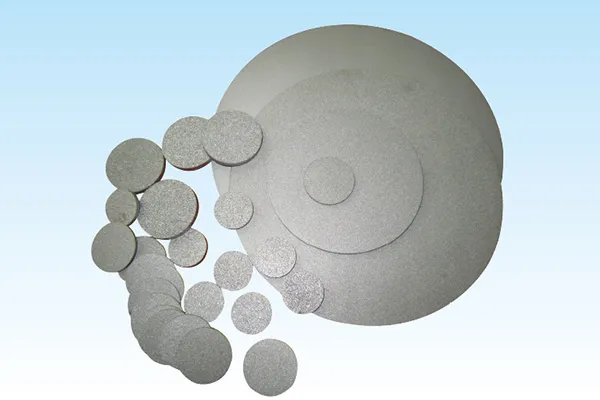
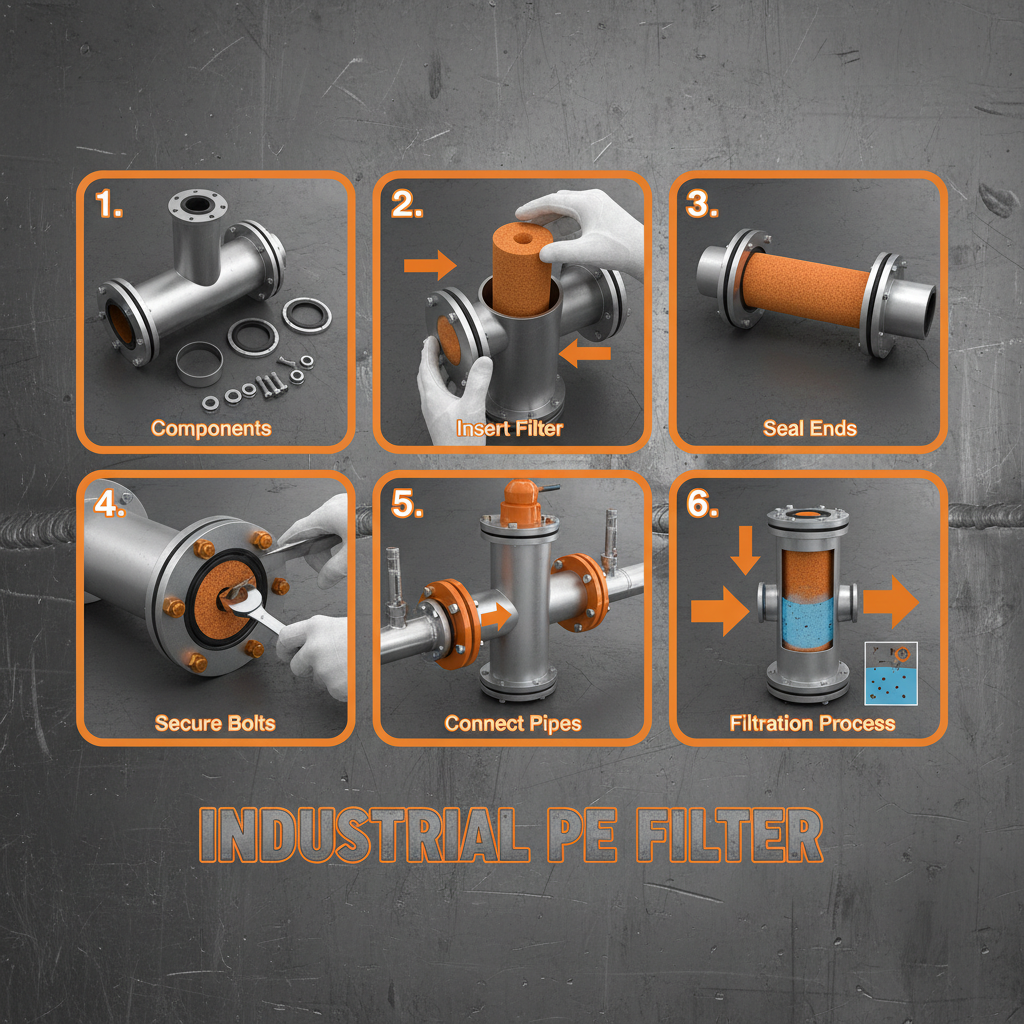
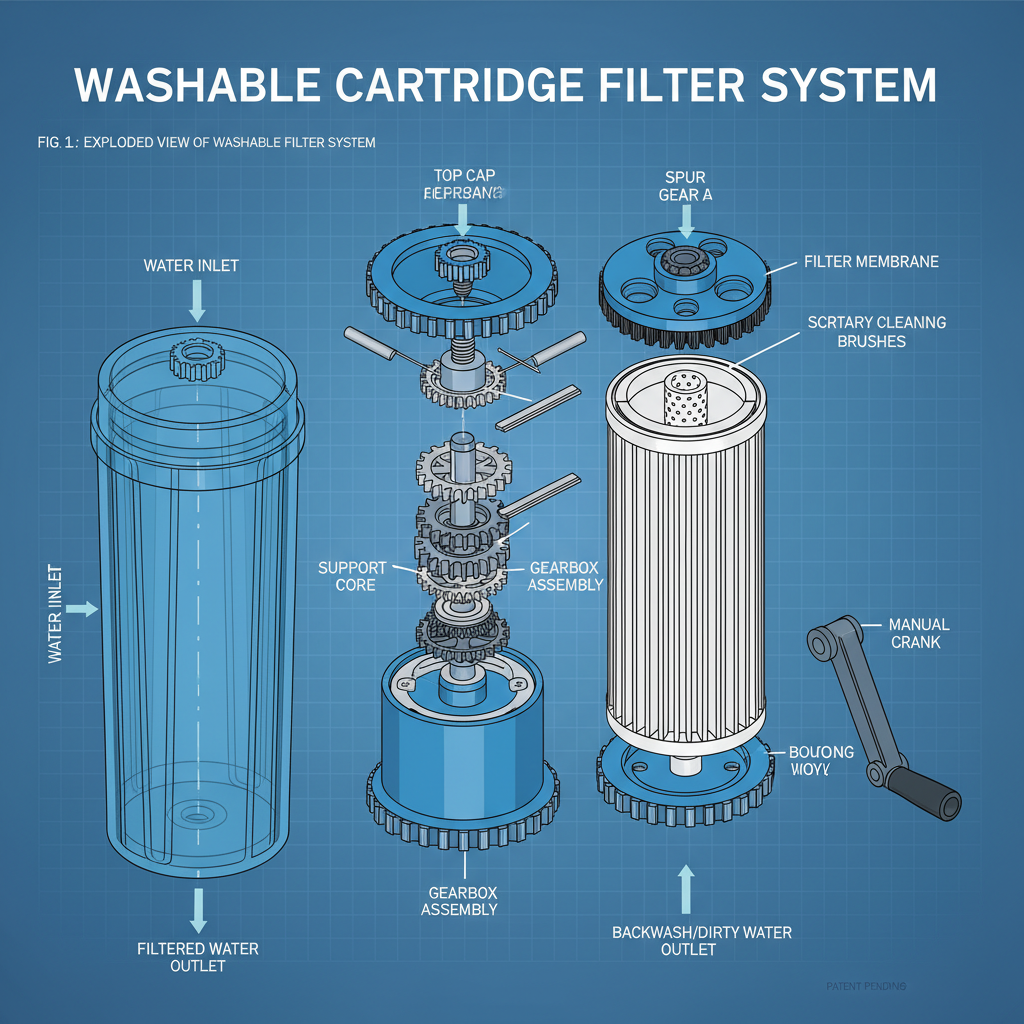
Washable cartridge filters are reusable filtration devices designed to remove contaminants from liquids or gases. Unlike disposable filters that are discarded after use, washable filters can be cleaned and reused multiple times, reducing waste and lowering operational costs. They typically consist of a durable frame and a filter medium made from materials like polypropylene, stainless steel mesh, or sintered powder. China Porous Filters specializes in producing high-quality, durable washable cartridge filters tailored for diverse industrial needs.
Key Benefit: Reducing waste and lowering long-term operating costs through reusability.
Applications of Washable Cartridge Filters
Washable cartridge filters find application in a vast range of industries. They are commonly used in water treatment, food and beverage processing, chemical processing, pharmaceuticals, and automotive manufacturing. Specific applications include pre-filtration for reverse osmosis systems, coolant filtration in metalworking, and paint filtration in coating applications. Their versatility makes them a valuable asset in any process requiring clean fluids or gases. China Porous Filters offers customized filter solutions designed to meet the unique demands of each application.
Common Application Areas:
• Water Treatment
• Food and Beverage Processing
• Chemical Processing
• Pharmaceuticals
Washable Cartridge Filter vs. Disposable Filters: A Comparison
Choosing between washable and disposable filters involves considering several factors. While disposable filters are initially cheaper, their ongoing replacement costs can quickly exceed the investment in a washable filter. Washable filters also offer environmental benefits by reducing landfill waste. However, washable filters require cleaning, which may involve downtime and labor costs. The following table outlines a detailed comparison:
Choosing the Right Washable Cartridge Filter
Selecting the appropriate washable cartridge filter requires considering factors such as the type of contaminant, particle size, flow rate, and operating pressure. The filter medium should be compatible with the fluid being filtered and capable of withstanding the process conditions. China Porous Filters offers a wide range of materials and configurations to meet specific requirements. Proper filter sizing is crucial to ensure optimal performance and prevent premature clogging.
Cleaning and Maintenance of Washable Cartridge Filters
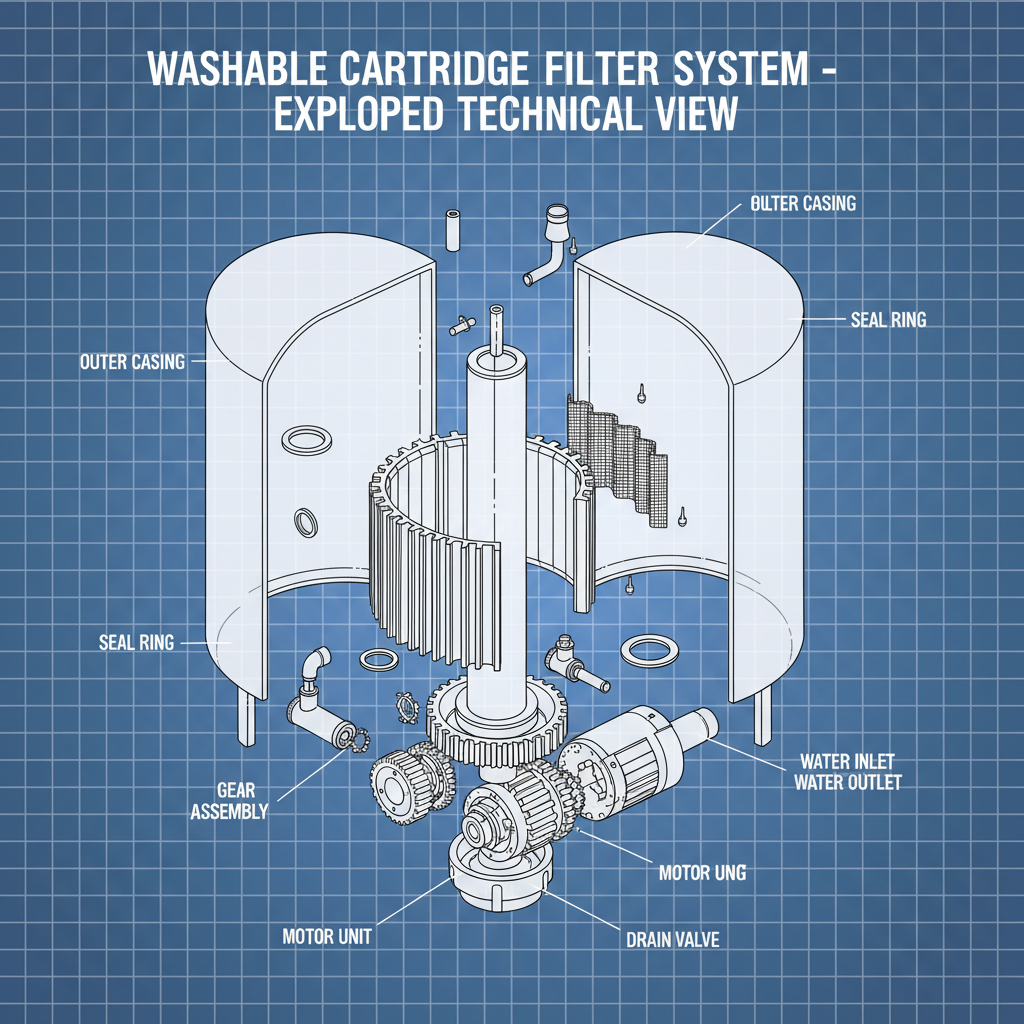
Regular cleaning is essential to maintain the performance of washable cartridge filters. The cleaning process typically involves backwashing with a compatible cleaning solution or ultrasonic cleaning. Avoid using harsh chemicals or abrasive materials that could damage the filter medium. The frequency of cleaning depends on the application and the level of contamination. China Porous Filters provides detailed cleaning guidelines for its products to ensure optimal lifespan and performance.
Conclusion: Invest in Sustainable Filtration
Investing in washable cartridge filters from China Porous Filters is a smart decision for businesses looking to reduce costs, minimize environmental impact, and improve operational efficiency. Their durable construction and reusable design provide a long-term filtration solution that delivers consistent performance. Choosing the right filter and implementing a regular cleaning schedule will maximize its lifespan and ensure optimal results.
Frequently Asked Questions (FAQs)
What materials are washable cartridge filters typically made from?
Washable cartridge filters are commonly made from materials like polypropylene, stainless steel mesh, and sintered powder. Polypropylene is a cost-effective option for general filtration, while stainless steel mesh offers higher durability and resistance to corrosion. Sintered powder filters provide excellent particle retention and are suitable for demanding applications. The choice of material depends on the specific fluid being filtered and the operating conditions. China Porous Filters offers filters constructed from a variety of these materials to meet diverse needs.
How often should I clean my washable cartridge filter?
The frequency of cleaning depends on the level of contamination and the flow rate. Regularly monitor the pressure drop across the filter; a significant increase indicates clogging. As a general guideline, inspect the filter weekly and clean it when the pressure drop reaches a predetermined threshold. Refer to China Porous Filters’ specific recommendations for the filter model you are using.
Can I use any cleaning solution on my washable cartridge filter?
No, it is crucial to use a cleaning solution that is compatible with the filter material and the contaminant being removed. Harsh chemicals or abrasive cleaners can damage the filter medium and reduce its effectiveness. China Porous Filters provides detailed cleaning guidelines and recommended cleaning solutions for its products.
What is the typical lifespan of a well-maintained washable cartridge filter?
With proper cleaning and maintenance, a high-quality washable cartridge filter can last for several years. However, the lifespan will vary depending on the application, operating conditions, and the frequency of cleaning. Inspect the filter regularly for signs of wear and tear, such as cracks or damage to the filter medium. Replacing the filter when it reaches the end of its service life ensures optimal filtration performance.
Post Time: Jan . 30, 2026 15:05