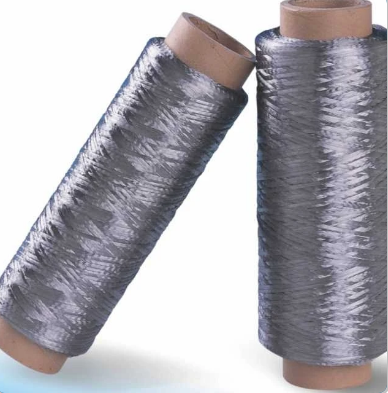
Replacement of Pall Filter: Why It’s Crucial for Modern Industry
When we talk about the replacement of Pall filter, it might sound like a niche technical detail, but frankly, it’s one of those behind-the-scenes aspects that keeps critical industries running smoothly across the globe. Pall filters, used in fluid filtration systems across aerospace, pharmaceuticals, and power generation sectors, require regular replacement to maintain efficiency, safety, and compliance. Understanding the ins and outs of replacing these filters not only ensures optimal function but can result in significant cost savings and environmental benefits. Oddly enough, despite their importance, the nuances of Pall filter replacement are often overlooked.
Introduction: Global Context of Pall Filter Replacement
Globally, industries reliant on fluid management, such as oil and gas, automotive, and water treatment, depend heavily on filtration technologies. According to the International Organization for Standardization (ISO 16889), proper filtration is essential to reduce particulate contamination, boosting equipment longevity and reducing downtime. Replacement of Pall filter cartridges and assemblies, specifically, represents a key maintenance action. In developing countries, where infrastructure may be fragile, the right timing and method to replace these filters can literally mean the difference between continuous production or costly failures.
Challenges abound: supply chain disruptions, technical compatibility, and environmental disposal regulations all complicate this seemingly simple task. Yet, armed with best practices, the replacement can be straightforward and hugely beneficial.
What Does Replacement of Pall Filter Really Mean?
In simple terms, replacement of Pall filter involves removing spent filter elements and installing new ones designed by Pall Corporation, a global leader in filtration technology. These filters trap contaminants—like particles, microbes, or even chemicals—from fluids moving through an industrial system. A well-maintained filtration system means cleaner fluids, more reliable machinery, and less downtime.
Industrially, this replacement supports everything from manufacturing clean rooms to protecting engines on commercial airlines. In humanitarian contexts, such as clean water initiatives, replacing Pall filters ensures safe, potable water reaches vulnerable populations.
Key Factors in Pall Filter Replacement
1. Durability and Lifespan
Choosing the right replacement filter means matching lifespan expectations. Sometimes filters need changing monthly, sometimes yearly, depending on usage and contamination levels. Pall filters are engineered for durability, but real-world factors like fluid type and flow rate affect lifespan.
2. Compatibility and Specifications
Facilitating seamless replacement depends on specifying the exact model and grade. Pall offers a variety of filters tailored to different fluids and pressures. Using incompatible filters risks leaks or reduced filtration efficacy.
3. Cost Efficiency
While Pall filters command premium pricing, their high performance minimizes equipment wear and prevents costly repairs. The replacement process must also be cost-effective, minimizing downtime and disposal fees.
4. Environmental Considerations
Spent filters must be disposed of per environmental regulations—a growing challenge globally. Pall is increasingly innovating recyclable and bio-based filter materials to ease environmental impact.
5. Ease of Installation
Field conditions vary, and some replacements occur in remote or hazardous locations. User-friendly designs and clear instructions improve safety and speed of replacement jobs.
Product Specifications of Select Pall Filters
| Model | Micron Rating | Max Pressure (bar) | Fluid Compatibility | Typical Applications |
|---|---|---|---|---|
| Pall Coreless FT50 | 0.2 - 10 | 10 | Water, Chemicals | Pharma, Electronics |
| Pall Ultipleat HD | 0.1 - 5 | 12 | Hydraulic oil, Fuel | Aerospace, Automotive |
| Pall High Flow X100 | 5 - 25 | 15 | Water, Oils | Oil & Gas, Power Plants |
Vendor Comparison: Pall vs Competitors
| Feature | Pall Corporation | Competitor A | Competitor B |
|---|---|---|---|
| Filter Efficiency | 99.99% | 98.5% | 98% |
| Range of Micron Sizes | 0.1 - 100 µm | 0.3 - 75 µm | 0.5 - 50 µm |
| Sustainability Initiatives | Bio-based filters, Recycling | Limited | None |
| Global Supply Network | Extensive (100+ countries) | Moderate (50 countries) | Limited (30 countries) |
| Typical Replacement Interval | 6-12 months (varies) | 3-9 months | Dependent on site |
Where Is Replacement of Pall Filter Applied Globally?
Applications span a huge spectrum. In North America and Europe, aerospace companies replace Pall filtration units frequently to maintain jet engine performance and comply with strict standards. In Asia-Pacific’s booming pharmaceutical hubs, these filters are vital to ensuring drug purity and sterility.
Oddly enough, even in remote oil extraction sites in West Africa, scheduled replacement of Pall filters can prevent costly mechanical failures and environmental contamination. NGOs in disaster-stricken zones rely on portable Pall water filters needing timely replacement to provide safe drinking water.
Benefits and Long-Term Value
- Cost-saving: Less equipment damage, fewer shutdowns.
- Sustainability: Newer filters adopt biodegradable materials.
- Reliability: Confirmed filtration standards ensure safety.
- Social impact: In humanitarian projects, filter replacement safeguards public health.
On a human level, reliable filtration replacement feels like a quiet protector—unseen yet responsible for safety and dignity.
Emerging Trends in Pall Filter Replacement
Several innovations shape the future: IoT-enabled filters that report saturation levels remotely, automation systems that schedule replacements, and eco-friendly materials that reduce landfill waste. Digitally enhanced supply chains help anticipate filter needs worldwide, preventing urgent shortages. Companies are also pushing for circular economy designs, making filters easier to disassemble and recycle.
Challenges and How to Overcome Them
Common hurdles include supply delays and improper disposal practices. One practical approach has been training local staff in remote regions on correct replacement techniques and partnering with recycling firms. Leveraging technology for condition monitoring also helps replace filters only when truly needed, optimizing costs.
Frequently Asked Questions About Replacement of Pall Filter
- How often should I replace a Pall filter?
- The replacement frequency depends on the fluid type, contamination level, and system pressure. Generally, filters are replaced every 6-12 months, but monitoring via sensors or pressure drop is recommended.
- Can I use generic filters instead of Pall originals?
- While cheaper, generic filters may not meet Pall’s standards, risking system performance and warranty. It’s best to use certified original replacements for critical systems.
- What is the environmental impact of disposing of spent filters?
- Spent filter disposal must comply with local regulations. Pall is advancing recyclable filters, but many need specialized handling to avoid contamination. Always consult local guidelines.
- Are there easy-to-install Pall filter options for remote sites?
- Yes, Pall offers filters with modular designs and clear installation guides, some designed specifically for challenging environments.
Conclusion: Why Understanding Replacement of Pall Filter Matters
In the grand scheme, replacing Pall filters might seem tedious. Still, it’s a vital maintenance ritual that keeps industries efficient, safe, and sustainable. It feels like a blend of engineering precision and practical know-how—one that saves money, reduces waste, and protects people. If you want to learn more about the replacement of Pall filters or sources for dependable components, do visit replacement of pall filter.
Takeaway: Good filtration maintenance is quietly transformative — it’s the unsung hero behind trustworthy operations worldwide.
References
Post Time: Dec . 02, 2025 16:06