Understanding Multi Layers Sintering Net: What It Is and Why It Matters
You might have come across the term multi layers sintering net in industrial contexts or perhaps when researching filtration technologies. But what exactly is it? This advanced porous material doesn’t just sound fancy — it plays a surprisingly critical role in sectors ranging from chemical processing to environmental protection. Globally, as industries seek more efficient and sustainable filtration solutions, grasping the benefits and uses of multi layers sintering nets is more important than ever. Whether it’s for filtering gases or protecting intricate machinery, these nets are quietly shaping how we tackle some of the biggest technical challenges.
Global Importance of Multi Layers Sintering Net
In a world increasingly aware of resource efficiency and pollution control, the demand for better filtration and sieving materials is rising rapidly. According to the International Organization for Standardization (ISO), stringent environmental regulations are pushing industries to adopt high-performance filters that not only last longer but also withstand harsh conditions without degrading. Multi layers sintering nets answer many of these demands with remarkable durability and precision.
Consider that the global filtration market is expected to top $80 billion by 2026, spurred largely by energy, automotive, and water treatment sectors (Statista data). Here, multi layers sintering nets significantly reduce maintenance costs and efficiency losses.
Of course, there’s a broader humanitarian angle too: clean water access, industrial emissions control, and safer chemical production all hinge on reliable filtration materials.
Mini Takeaway:
Multi layers sintering nets are not just industrial conveniences; they’re instruments supporting global sustainability and human health.
What Exactly Is a Multi Layers Sintering Net?
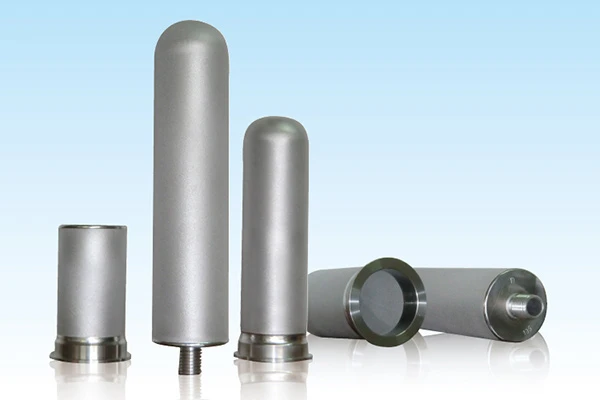
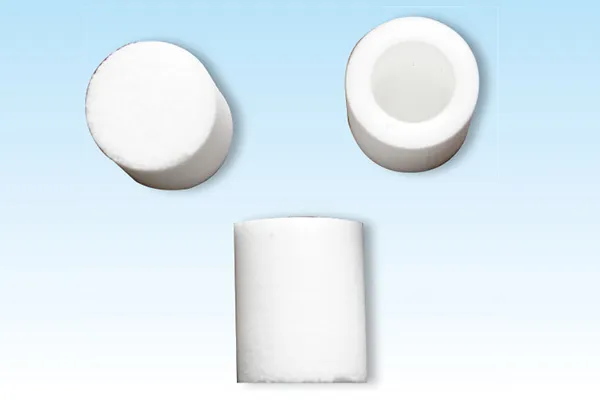
At its core, a multi layers sintering net is a layered structure made by sintering — or fusing — fine metal wires into a porous mesh without melting them completely. Think of it as a tiny, tough metal fabric with controlled pore sizes, often stacked in multiple layers. This engineering finesse produces a filter that balances strength, uniformity, and unparalleled filtration precision.
Unlike single-layer meshes that might weaken under pressure, these multi-layered constructs hold up robustly in demanding environments. Industries rely on them to trap impurities in gases, liquids, or even powders without clogging or wear. Humanitarian organizations even use them when setting up filtration systems for emergency water supplies, underscoring their versatility.
Core Aspects of Multi Layers Sintering Nets
Durability and Temperature Resistance
One reason these nets are favored is their ability to withstand extreme conditions. Made typically from stainless steel or specialized alloys, they can endure high temperatures (up to 800°C or more) without losing integrity. This makes them invaluable in chemical processing, metallurgy, and even aerospace filters.
Precision and Consistency of Pore Size
The sintering process controls pore size tightly, ensuring consistent filtration across the net's surface. This precision is crucial when filtering gases or liquids where even microscopic contaminants matter.
Corrosion and Chemical Resistance
Thanks to their metallurgy, many multi layers sintering nets resist corrosion from acids and other harsh chemicals that would degrade conventional filters easily. It's no wonder they're preferred in aggressive industrial environments.
Cost Efficiency Over Time
While initial costs can be higher than typical mesh filters, their longevity and maintenance savings often offset this investment. Many engineers report their downtime due to filter replacements cut by up to 50%, which translates into real money saved.
Scalability and Customization
Because production techniques can be fine-tuned, these nets come in various thicknesses and pore dimensions, allowing custom solutions tailored to specific industry challenges.
Mini Takeaway:
The multi layers sintering net is a perfect cocktail of resilience, precision, and adaptability — a winning formula for demanding filtration tasks.
Applications Around the World: Who Uses Multi Layers Sintering Nets?
The sheer versatility of multi layers sintering nets means they pop up in quite a few sectors:
- Chemical Industry: Removing particulates in catalytic converters and reactors.
- Water Treatment Plants: Ensuring consistent filtration of pollutants and sediments.
- Oil & Gas: Filtering contaminants during extraction and refining.
- Aerospace and Automotive: High-performance air filtration protects engines and enhances efficiency.
- Emergency Relief & Humanitarian Efforts: Filtering potable water during disaster response in remote areas.
For example, in Southeast Asia after floods, NGOs have deployed custom-built filtering units utilizing multi layers sintering nets to provide clean drinking water reliably (source: UN Water Reports). Oddly enough, it’s these often-overlooked components that dramatically improve the effectiveness of relief efforts.
Typical Product Specifications
| Specification | Typical Value |
|---|---|
| Material | Stainless steel 316L / Inconel |
| Layer Count | 3 – 7 layers |
| Pore Size Range | 1 – 100 microns |
| Max Operating Temperature | Up to 850°C |
| Corrosion Resistance | Excellent against acids and alkalis |
Comparing Leading Vendors of Multi Layers Sintering Nets
| Vendor | Material Range | Customization Options | Delivery Time | Sustainability Certification |
|---|---|---|---|---|
| China Porous Filters | SS316L, Inconel, Titanium | Custom layer count, pore size | 2-4 weeks | ISO 14001 |
| Metal Mesh Solutions Ltd. | SS316, SS304 | Standard sets only | 3-6 weeks | None |
| Advanced Filtration Tech | Inconel, Hastelloy | Highly customizable | 4-5 weeks | ISO 9001, LEED |
What Are the Advantages and the Long-Term Value?
It feels fair to say that these nets go beyond just toughness or filtering capability. Their real crown jewels are in how they drive long-term gains:
- Cost Savings: Reduced downtime and less frequent replacements mean lower total ownership costs.
- Environmental Impact: Longer-lasting materials reduce waste; efficient filtration supports cleaner processes.
- Safety & Reliability: In hazardous industrial environments, trustworthy filtration prevents accidents and health hazards.
- Social Impact: In humanitarian uses, reliable water and air filtration can literally save lives and restore dignity.
Knowing that a single choice of filter mesh can influence safety and sustainability kind of makes you appreciate the engineering behind these nets.
Looking Ahead: Future Trends in Multi Layers Sintering Nets
Innovation is continuous here. Industry insiders are excited about:
- Green Metallurgy: Using recycled metals and less energy-intensive production methods.
- Smart Filters: Integrating sensors for real-time clog detection and performance monitoring.
- Advanced Coatings: Nano-coatings to further improve corrosion resistance and self-cleaning.
- Digital Design & Automation: AI-enhanced manufacturing for tighter tolerances and faster prototyping.
In all honesty, these trends tell me the multi layers sintering net will remain at the heart of filtration tech for decades.
Challenges and How Experts Tackle Them
No product is without challenges. Some common issues with multi layers sintering nets include:
- Clogging Risks: Especially in dusty or oily environments.
- Cost Barrier: Higher upfront cost may deter budget-focused buyers.
- Manufacturing Complexity: Requires precise sintering facilities.
Experts recommend:
- Pre-treatment or staged filtration to reduce clogging.
- Long-term ROI analyses to justify expenses.
- Partnering with vendors who have certified quality and custom design capabilities, like multi layers sintering net manufacturers known for reliability.
FAQs on Multi Layers Sintering Net
- What industries benefit most from multi layers sintering nets?
- Primarily chemical processing, water treatment, oil & gas, and aerospace sectors due to the nets’ heat resistance, durability, and precise filtration capabilities.
- How long do multi layers sintering nets typically last?
- With proper use, these nets can last years longer than conventional single-layer meshes, sometimes 5-10 years depending on conditions.
- Are sintering nets eco-friendly compared to other filters?
- Yes, their long lifespan reduces waste and energy consumption over time. Plus, many are recyclable and often use corrosion-resistant materials that minimize replacement frequency.
- Can these nets be customized to specific filtration needs?
- Absolutely. Manufacturers often allow customization of layer counts, pore sizes, and materials to tailor performance to unique industrial challenges.
- How can small businesses or NGOs source reliable multi layers sintering nets internationally?
- Many vendors provide international shipping and technical support. Working with established manufacturers like multi layers sintering net suppliers ensures access to quality products and after-sales service.
Conclusion: Why Multi Layers Sintering Nets Are a Smart Long-Term Investment
In the grand scheme, investing time to understand multi layers sintering nets pays off both practically and ethically. They are durable, customizable, and play a crucial role in addressing global challenges in pollution control, industrial safety, and humanitarian aid. If you’re exploring efficient filtration options, I’d suggest taking a closer look at these advanced materials. Curious to learn more or want to source quality products? Visit https://www.chinaporousfilters.com to explore your options.
Final Mini Takeaway:
Multi layers sintering nets aren’t just “filters” — they’re key enablers of cleaner, safer, and more sustainable industry and society.
References
Post Time: Nov . 27, 2025 09:10