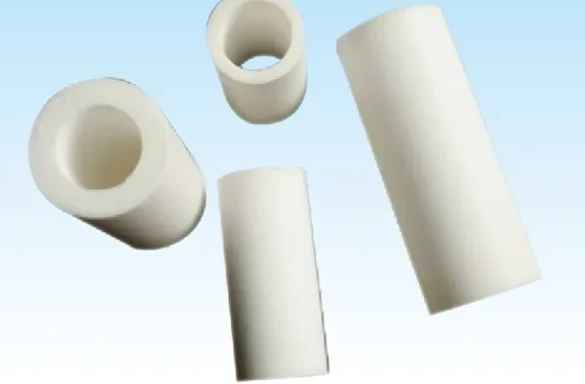
Understanding the Dust Filter: An Essential Industrial Component
In the quiet hum of factories, the whir of heavy machinery, and the swirl of airborne particles often invisible to the naked eye, dust filters silently play a crucial role. But why should a dust filter matter globally? Well, the very air we breathe in industrial zones and urban spaces is heavily influenced by the effectiveness of these filtration systems. Understanding dust filters means grasping how industries manage pollution, protect machinery, and uphold health standards — benefits that ripple from local factories to global sustainability goals.
Introduction: Why Dust Filters Matter on a Global Scale
The rising tide of urbanization and industrial activity around the world has significantly increased airborne particulate pollution. According to a recent World Health Organization report, ambient air pollution contributes to over 4 million premature deaths annually worldwide. Industries, while essential for economic growth, generate dust and particulate matter that can harm workers’ health and degrade local environments. This is where dust filters step in as frontline defenders.
The International Organization for Standardization (ISO) has developed standards regulating air filtration quality — a testament to how essential effective dust filtration is in combating pollution globally. The challenge? Industries and regions vary enormously in terms of their dust filter needs — from heavy-duty steel plants in China to light manufacturing hubs in Europe, the filters must be robust and adaptable.
What Exactly Is a Dust Filter?
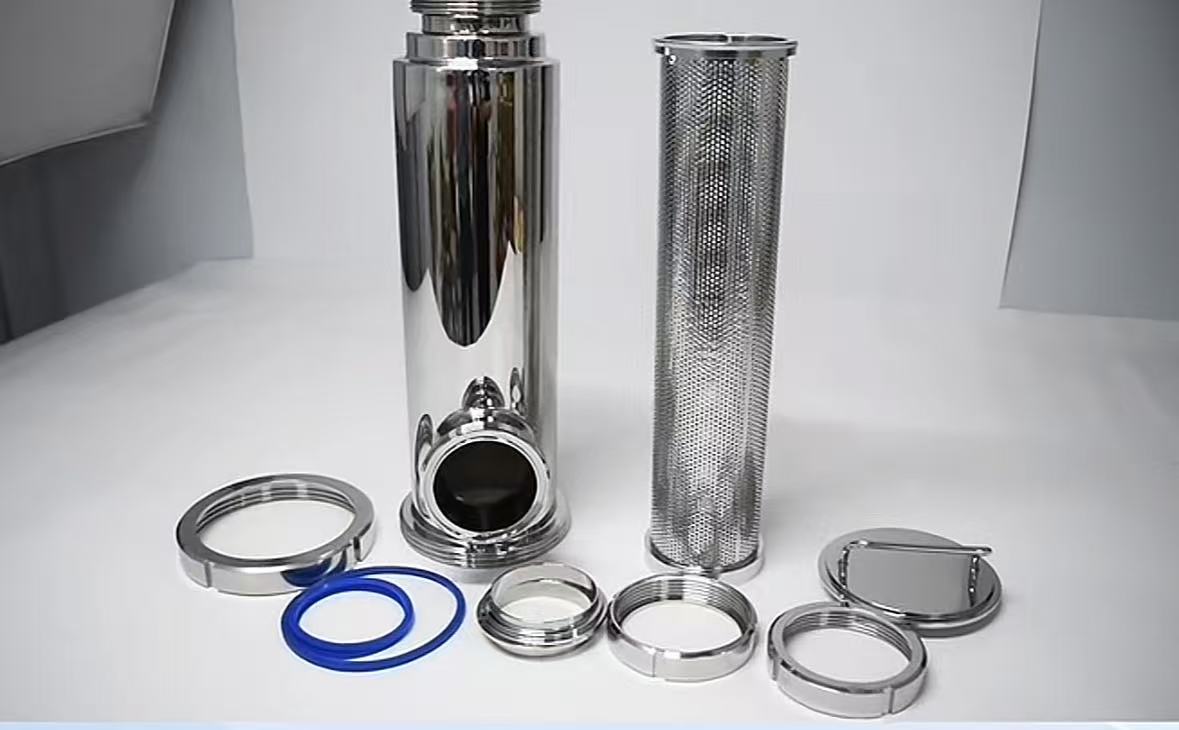
Put simply, a dust filter is a device or medium used to capture solid particles from air or gas streams. Think of it as a sieve for microscopic irritants. These filters prevent dust from entering machines where it could cause wear or breakdown, and more importantly, they keep dust levels in workplace atmospheres within safe limits.
Dust filters aren’t just industrial trinkets; they’re part of a larger humanitarian narrative. Cleaner air means healthier workers, less environmental contamination, and ultimately, a step toward sustainable industrial progress. In that sense, the dust filter is a quietly heroic component bridging industry and human well-being.
Core Aspects of Dust Filters
Durability
Dust filters often face harsh conditions — extremes of temperature, humidity, and chemical exposure. Their longevity depends largely on the materials used, such as synthetic fibers or metallic meshes, which must resist corrosion and mechanical stress.
Efficiency
This refers to the filter’s ability to capture particles of various sizes — ideally down to the fine particulates known as PM2.5 or smaller. Higher efficiency often means better health outcomes but may come with higher costs.
Cost Efficiency
Filters vary widely in price and maintenance needs. Industrial players constantly juggle upfront costs versus lifecycle savings from less downtime and longer service intervals.
Scalability & Adaptability
Filters must be scalable to different volumes of airflow and adaptable to various industrial processes — from cement manufacturing to food processing. Modular designs often help here.
Regulatory Compliance
Filters need to meet the legal requirements of regional governments or international environmental agreements — ensuring the industry is compliant and future-proofed.
Mini Takeaway: Durability, efficiency, cost, adaptability, and compliance form the backbone of what makes a dust filter practical and impactful across industries.
Where Do Dust Filters Get Used? Real-World Applications
- Manufacturing Plants: Steel mills and cement factories generate massive dust; filters reduce maintenance issues and improve air quality.
- Construction Sites: Temporary dust filters help control airborne debris, protecting workers and nearby residents.
- Mining Operations: In remote locations, dust filters are critical for onsite machinery longevity and personnel safety.
- Disaster Relief: In post-disaster zones, dust filters in air purifiers can aid respiratory health amid debris and dust clouds.
- HVAC Systems: Commercial buildings incorporate dust filters to maintain indoor air quality.
Regions like China, India, and parts of Europe frequently set high standards for filtration given dense populations and industrial footprints. NGOs utilizing portable dust filters during humanitarian efforts highlight the cross-sector importance of such technology.
Advantages and Long-Term Value of Dust Filters
On a very tangible level: dust filters reduce equipment wear and tear, lowering repair costs and downtime. On a social level, they improve workplace safety — nobody wants to breathe in harmful dust day in and day out. Emotionally, knowing a well-engineered dust filter protects workers gives stakeholders peace of mind.
Sustainability-wise, efficient dust filtration aligns with corporate responsibility goals, helping industries comply with emission regulations and reduce environmental footprints. This fosters community trust and can improve brand reputation over time.
Dust Filter Specifications
| Specification | Typical Value | Notes |
|---|---|---|
| Filter Efficiency | ≥ 99.5% for particles ≥ 0.3 µm | Ensures removal of fine dust particles |
| Operating Temperature | -20°C to 120°C | Suitable for most industrial environments |
| Airflow Capacity | Up to 10,000 m³/h | Depends on filter size and design |
| Material | Polyester/Glass fiber/Metal | Choice affects durability and cost |
| Maintenance Interval | 3-6 months | Varies by dust concentration |
Leading Suppliers Comparison
| Vendor | Product Range | Key Strength | Global Reach |
|---|---|---|---|
| China Porous Filters | Wide (industrial, HVAC, customized) | Competitive pricing and fast delivery | Strong in Asia, expanding Europe and Americas |
| Filtrete (3M) | HVAC residential and commercial filters | Brand trust, quality certification | Worldwide |
| Camfil | High-efficiency industrial filters | Customization & advanced tech | Global presence with service centers |
Emerging Trends and Innovations in Dust Filtration
Technology never stands still — and that’s true for dust filters too. New lightweight nanofiber membranes are improving capture rates without choking airflow. Automation increasingly integrates intelligent sensors that alert operators when filters need replacement, optimizing performance and lowering waste.
Eco-friendly materials like recycled fibers are gaining traction in the push for greener manufacturing. Plus, with digital transformation, filters can now be designed and tested virtually, speeding innovation while cutting costs.
Common Challenges and How They’re Tackled
The main hurdles with dust filters revolve around balancing efficiency, cost, and maintenance. Some filters clog too quickly, others may be prohibitively expensive. In harsh environments, materials degrade faster than expected.
Experts suggest modular filter designs, predictive maintenance using IoT devices, and continuous material research to overcome these barriers. Collaboration between manufacturers and users is key — only through shared insight can solutions be truly refined.
Dust Filter FAQs
- Q: How often should industrial dust filters be replaced?
A: Typically every 3 to 6 months, but it depends on dust concentration and filter type. Monitoring pressure drops can signal when replacement is needed. - Q: Can dust filters help reduce workplace respiratory illnesses?
A: Yes, effective filtration dramatically lowers airborne particulates, reducing health risks for workers exposed to dust. - Q: What materials are best for dust filters in corrosive environments?
A: Metal meshes with corrosion-resistant coatings or synthetic fibers specially treated for chemical resistance usually perform best.
Wrapping Up: Why Dust Filters Deserve Your Attention
Dust filters might not be headline-grabbing gadgets, but they are indispensable for industry, health, and environmental welfare alike. They protect machines, people, and communities — translating into long-term savings, safety, and sustainability. If you’re involved in industrial operations or environmental management, getting to know dust filtration technology is just smart business.
Want to explore more about effective dust filters? Visit our website for product info and expert advice: dust filter.
Takeaway: While dust filters quietly protect our air and equipment, the next generation of technology promises even cleaner, safer, and greener industrial environments.
References
Post Time: Dec . 02, 2025 02:05