High Quality Porous Plastic Diffuser Tubes Supplier for Aeration
Precision aeration and fluid distribution depend heavily on the consistency of bubble size and flow distribution. For engineers in the environmental protection and pollution control sectors, sourcing high-performance diffusion components is critical to optimizing oxygen transfer and chemical dosing. Porous sintered materials offer a superior alternative to traditional perforated pipes, providing a uniform pore structure that prevents clogging and ensures a stable gas-liquid interface. By utilizing advanced powder sintering technology, these components deliver the precise permeability required for sensitive industrial processes, ranging from wastewater treatment to specialized laboratory aeration.
Whether you are designing a new bioreactor or upgrading an existing filtration system, the choice of material—be it metal or plastic sintered porous filters—dictates the long-term operational efficiency and maintenance cycle of your equipment. Understanding the technical relationship between pore diameter, filament strength, and fluid dynamics is essential for selecting a solution that minimizes pressure drop while maximizing throughput.

Engineering Principles of Sintered Porous Diffusion Technology
The core of high-efficiency diffusion lies in the sintering process, where polymer or metal powders are fused under controlled temperature and pressure to create a network of interconnected voids. Unlike mechanically drilled holes, sintered porous structures provide a three-dimensional matrix that distributes gas or liquid evenly across the entire surface area of the tube. This prevents the formation of "channeling" and ensures that the diffused medium interacts optimally with the surrounding fluid.
For specialized equipment in pollution control, the material's resistance to chemical degradation is paramount. Sintered plastic options provide excellent corrosion resistance in acidic or alkaline environments, while metal fibers offer unmatched thermal stability and mechanical strength. The ability to control the diameter of the fiber—ranging from 1 to 100 microns—allows for the customization of bubble size, which directly impacts the oxygen transfer efficiency (OTE) in aeration tanks.
- Uniform Pore Distribution: Eliminates dead zones in the aeration process.
- Controlled Permeability: Tailored to specific flow rate and pressure requirements.
- Structural Integrity: High breaking strength to withstand industrial operational pressures.

Critical Application Scenarios in Environmental and Industrial Filtration
In the realm of environmental protection equipment, porous diffuser tubes are indispensable for wastewater treatment plants (WWTP). By delivering fine bubbles, these tubes increase the surface area for oxygen exchange, facilitating the aerobic digestion of organic pollutants by microorganisms. The precision of the pore size ensures that the energy consumption of the blowers is minimized while maintaining optimal dissolved oxygen levels.
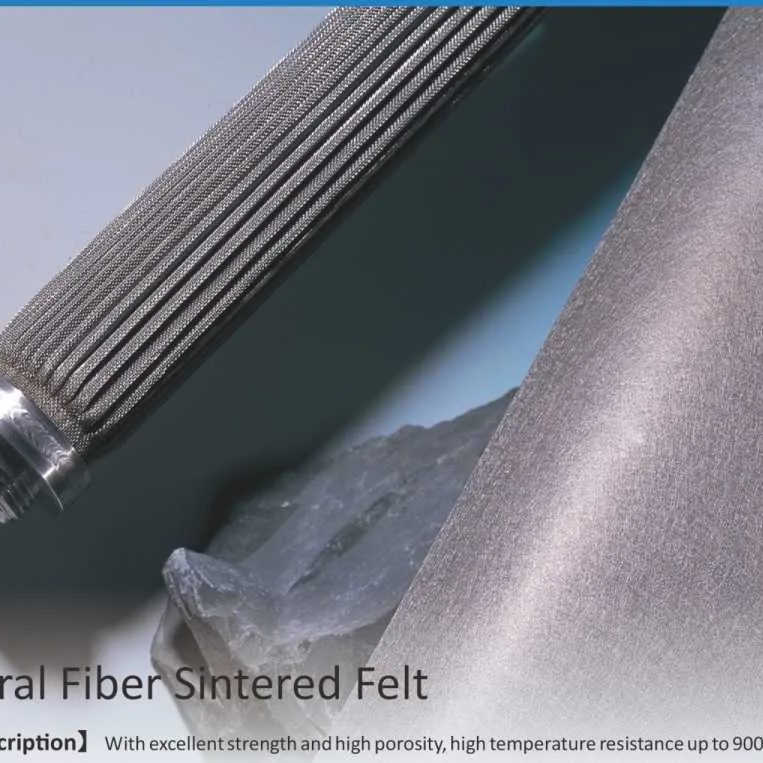
Beyond water treatment, these sintered solutions are utilized in diverse industrial contexts. Metal fiber sintered felts are often employed in high-temperature heating bodies and conveyor belts, where thermal resistance is mandatory. Meanwhile, conductive plastics are integrated into electromagnetic shielding and anti-static paper production. The versatility of the sintering technology allows for a seamless transition from coarse filtration to ultra-fine diffusion, depending on the filament count and diameter specified by the engineer.
Common industry use cases include:
- Chemical Processing: Precise gas injection for controlled reactions.
- Medical & Laboratory: Sterilizing vents and micro-aeration for cell cultures.
- Anti-Static Applications: Using conductive fiber reinforced materials for electronic components.
Evaluating Technical Specifications for Component Procurement
When evaluating a porous plastic diffuser tubes supplier, procurement managers must look beyond the surface material and analyze the technical parameters of the fibers. The breaking strength (cN) and elongation percentage are key indicators of the product's durability under pressure surges. For instance, fibers with a diameter of 22 microns typically exhibit much higher strength (>50 cN) compared to those at 4.5 microns (>2.0 cN), making them more suitable for high-pressure industrial environments.
Weight per meter is another critical metric that influences the buoyancy and installation of diffuser tubes in large-scale tanks. A heavier tube may offer more structural rigidity but might require different anchoring systems. Furthermore, the choice between pure stainless steel fiber fabric and blended spun fabrics can significantly alter the filter's chemical compatibility and pore consistency.
Buyers should focus on the following selection criteria:
- Fiber Diameter: Match the micron rating to the required bubble size or filtration grade.
- Material State: Ensure the stainless steel grade or polymer type is compatible with the process fluid.
- Packaging Requirements: Confirm if the product should be delivered on cardboard conical tubes, cylindrical tubes, or spools for automated winding.
Technical Fiber Performance Comparison
| Fiber Diameter (um) | Filaments (f) | Breaking Strength (cN) | Weight/meter (g/m) |
|---|---|---|---|
| 4.5 | 12000 | >2.0 | 1.40-1.64 |
| 6.5 | 6000 | >4.5 | 1.56-1.70 |
| 7.3 | 6000 | >5.5 | 1.98-2.14 |
| 8 | 6000 | >7.0 | 2.34-2.57 |
| 22 | 1000 | >50.0 | 3.06-3.30 |
Quality Assurance and Manufacturing Consistency in Sintered Materials
The reliability of a diffusion system depends on the homogeneity of the sintered structure. Any variance in the sintering temperature can lead to "oversized" pores, resulting in large bubbles that reduce aeration efficiency and cause uneven flow. Professional manufacturing involves strict control over the powder distribution and the thermal cycle to ensure that every millimeter of the tube maintains the same permeability.
POROYAL integrates specialized divisions for metal and plastic sintered filters, ensuring that the R&D process is informed by diverse material behaviors. By controlling the filaments and breaking strength based on customer requests, the manufacturing process can be tuned to specific operational stresses. This level of customization is vital for OEM partners who require components that fit perfectly into proprietary equipment designs without compromising on performance.
Quality control typically involves:
- Pore Size Analysis: Using bubble point testing to verify the maximum pore diameter.
- Pressure Drop Testing: Measuring the resistance to flow to ensure it meets design specifications.
- Material Verification: Ensuring the chemical purity of the sintered powder to prevent premature corrosion.
Future Trends in High-Efficiency Industrial Diffusion
The industry is moving toward "smart" filtration and diffusion systems that can adapt to changing flow rates. The development of hybrid sintered materials—combining the strength of metals with the chemical resistance of polymers—is expected to broaden the application range of diffuser tubes. Additionally, there is an increasing demand for ultra-fine bubbles (micro-bubbles), which require the precise 1-10 micron fiber control that advanced sintering technology provides.
Sustainable technology is also driving the adoption of materials that are easier to clean and have longer lifespans. By optimizing the pore geometry, manufacturers can reduce the frequency of backwashing and chemical cleaning, thereby lowering the overall operational cost of environmental protection systems. As global regulations on wastewater discharge become more stringent, the role of precision-engineered porous components will only grow in importance.
Frequently Asked Questions on Porous Sintered Components
What is the difference between sintered plastic and metal porous filters?
Sintered plastic filters offer superior corrosion resistance and are generally more cost-effective for aqueous environments. Metal sintered filters, particularly stainless steel, provide higher mechanical strength and can withstand extreme temperatures and pressures that would deform plastic materials.
How does fiber diameter affect the bubble size in diffuser tubes?
Generally, smaller fiber diameters create smaller pores in the sintered matrix, which in turn produce smaller, more uniform bubbles. Smaller bubbles have a higher surface-area-to-volume ratio, which significantly increases the oxygen transfer efficiency in aeration processes.
Can the breaking strength of the fibers be customized?
Yes, the breaking strength can be controlled according to the customer's specific requirements. By adjusting the fiber diameter and the sintering parameters, the manufacturer can increase the structural durability to meet the pressure demands of the application.
What are the most common applications for sintered metal fibers?
Sintered metal fibers are widely used in high-temperature heating bodies, metal fiber sintered felts, conductive plastics for electromagnetic shielding, and high-temperature conveyor belts where thermal stability is critical.
What packaging options are available for industrial fiber products?
Depending on the product form and the customer's installation process, products can be packaged in cardboard conical tubes, cylindrical tubes, or spools to ensure the fibers remain untangled and undamaged during transport.
How do I prevent clogging in porous diffuser tubes?
Clogging can be minimized by selecting the correct pore size for the fluid's particulate load and implementing a regular backwashing or cleaning cycle. Using high-quality sintered materials with uniform pore distribution also reduces the likelihood of localized buildup.
Technical References and Industry Standards
- Environmental Protection Agency - Water Quality Standards
- ISO Standards for Industrial Filtration Components
- Research on Sintered Porous Material Permeability
- NIST Materials Science and Engineering Guidelines
Selecting the right porous components is a balance between technical specifications and operational reality. By focusing on fiber precision and material compatibility, you can ensure a long-term, efficient solution for your aeration and filtration needs.
Related Technical Solutions