Understanding Hydrophobic Filters: Applications and Benefits
In numerous industrial processes, separating liquids from gases or liquids from liquids is critical. Hydrophobic filters play a vital role in these applications, offering superior performance in challenging environments. These specialized filters repel water while allowing other fluids and gases to pass through, making them indispensable in industries ranging from compressed air systems to chemical processing. This article will delve into the science behind hydrophobic filtration, explore its diverse applications, and highlight the advantages of choosing the right filter for your specific needs.
What are Hydrophobic Filters?
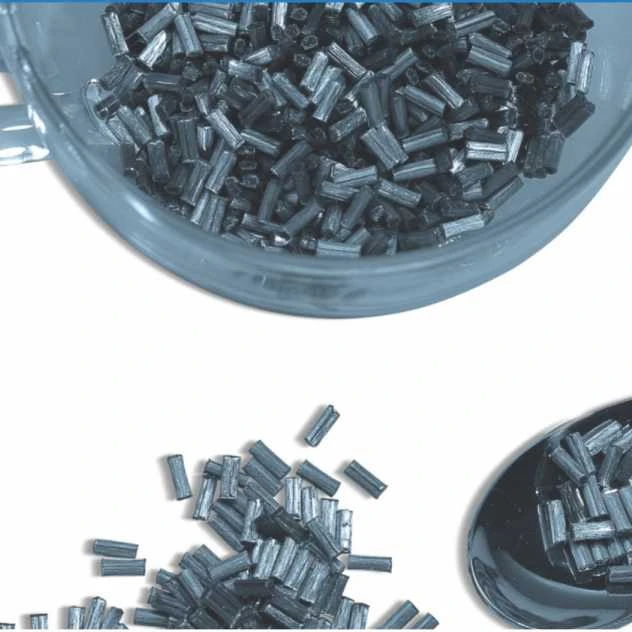
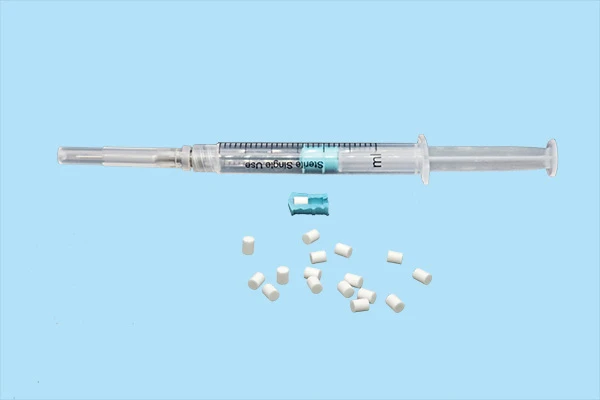
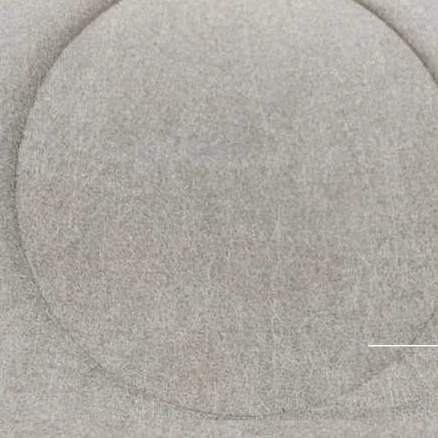
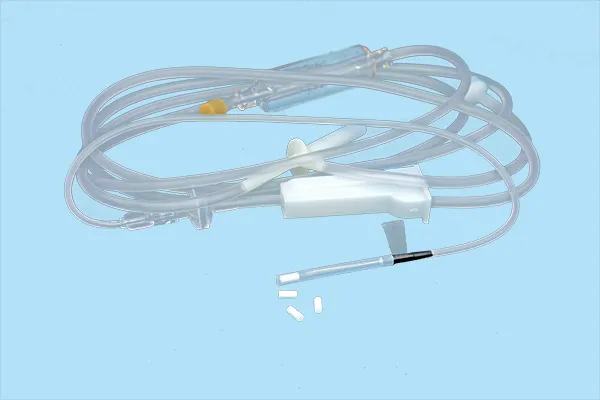
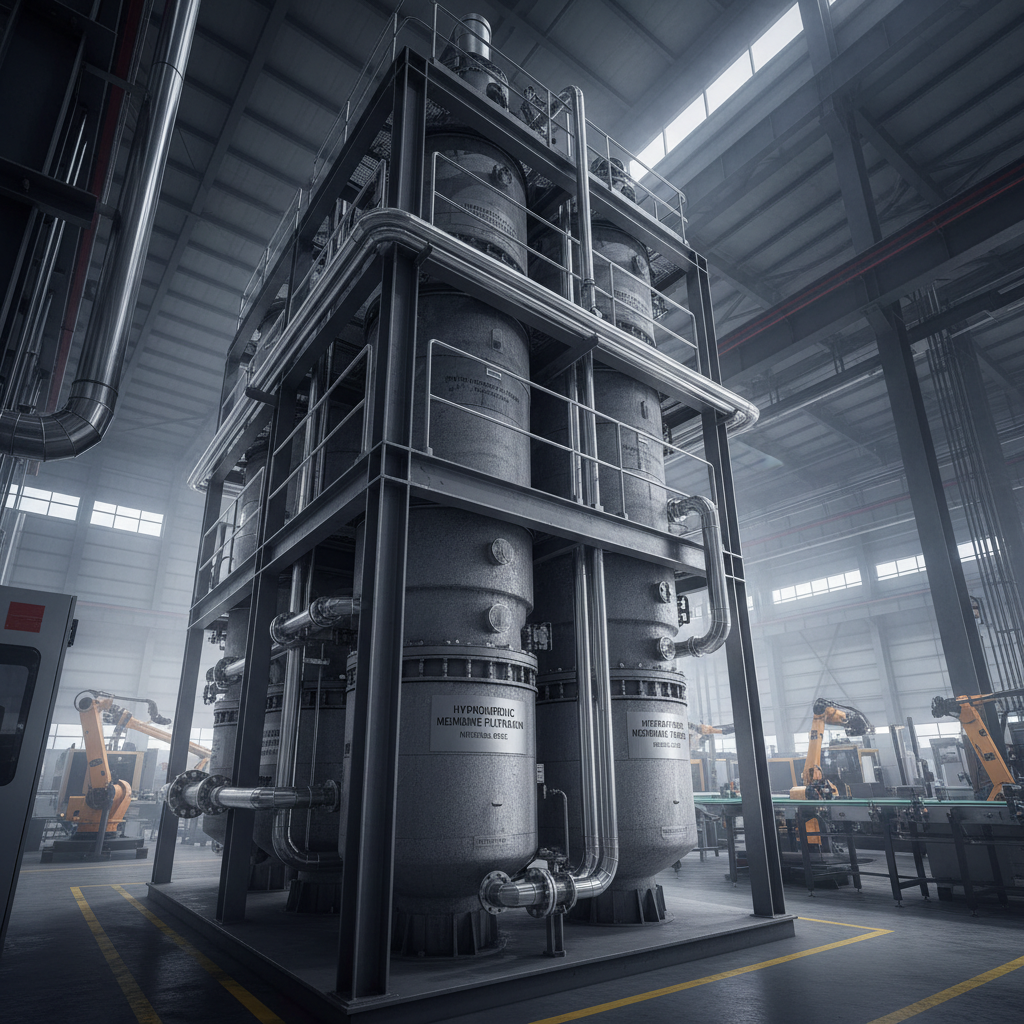
Hydrophobic filters are designed with a material that inherently repels water. This is typically achieved by modifying the surface tension of the filter media, often using polymers like PTFE (Polytetrafluoroethylene) or polypropylene. The key is creating a surface energy lower than that of water, causing the water to bead up and roll off rather than being absorbed. This property is crucial for maintaining filter efficiency and preventing damage to the filter medium. China Porous Filters specializes in providing high-quality hydrophobic filters tailored to various industrial applications.
Key Benefit: Hydrophobic filters efficiently remove liquid water from gas streams, preventing corrosion, equipment damage, and process inefficiencies.
Applications of Hydrophobic Filters
Hydrophobic filters find application in a diverse range of industries. In compressed air systems, they ensure the delivery of dry, clean air to pneumatic tools and equipment. Within the chemical and pharmaceutical industries, they prevent unwanted water contamination in sensitive processes. They’re also widely used in gas analysis to ensure accurate measurements, and in the venting of storage tanks to prevent moisture ingress. Here's a breakdown of common applications:
Common Applications:
• Compressed Air & Gas Drying
• Chemical Processing
• Pharmaceutical Manufacturing
• Gas Analysis
• Vent Filters
Hydrophobic Filter Materials: A Comparison
Several materials are employed in the manufacture of hydrophobic filters, each offering unique properties and suitability for different applications. PTFE is highly chemical resistant and performs well at high temperatures. Polypropylene is a more economical option, suitable for less demanding applications. Understanding the differences is key to selecting the optimal filter.
Benefits of Using Hydrophobic Filters
Implementing hydrophobic filters into your processes delivers substantial benefits. Reduced equipment downtime due to corrosion is a major advantage. Improved product quality and process efficiency result from the elimination of water contamination. And, ultimately, lowered maintenance costs are achievable thanks to the long-lasting performance and reliability of these filters. Choosing the right filter from a reputable supplier like China Porous Filters ensures you’re receiving a product designed for optimal performance.
Selecting the Right Hydrophobic Filter
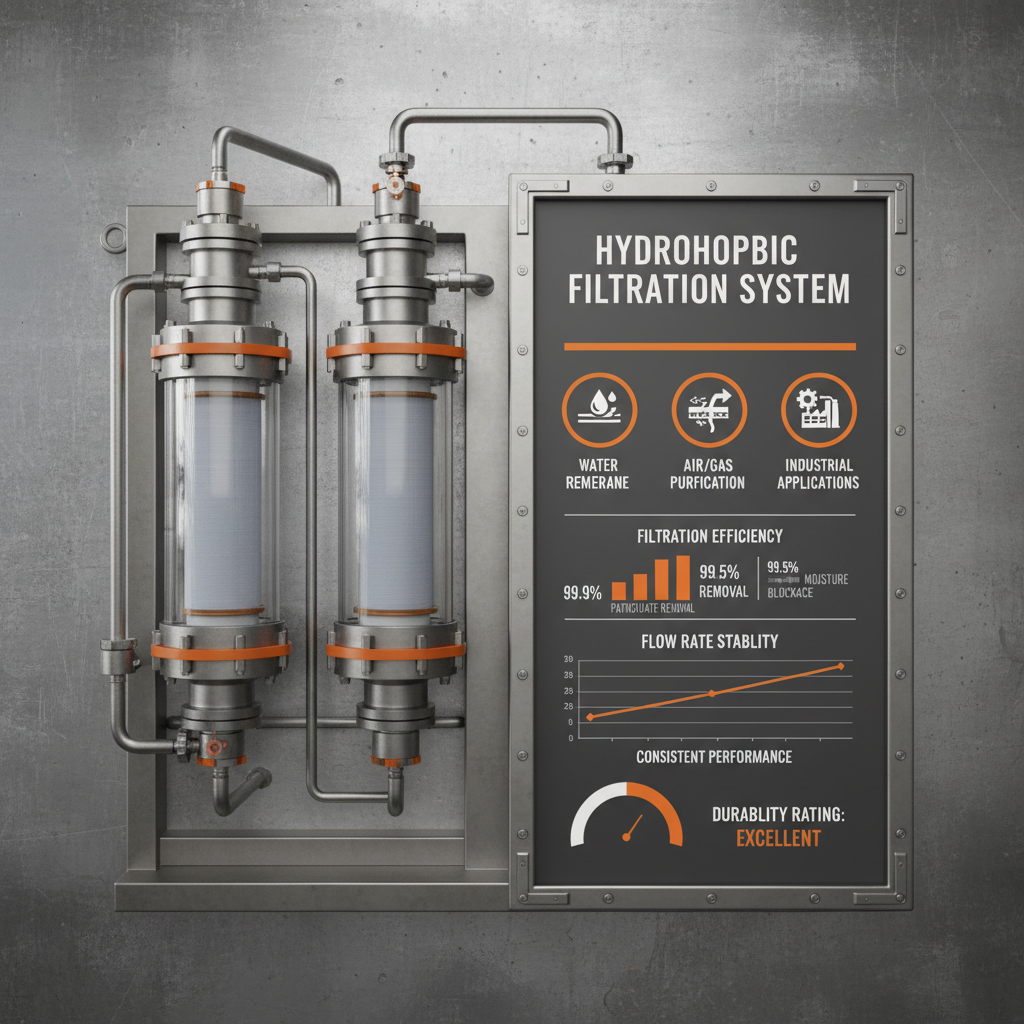
Choosing the appropriate hydrophobic filter requires careful consideration of several factors. The fluid or gas being filtered, the operating temperature, the chemical compatibility, and the desired particle retention rate all play a crucial role. It’s essential to understand your process requirements and consult with a filtration expert to select the optimal filter for your needs. Our team at China Porous Filters provides comprehensive support to help you make the right decision.
Conclusion: Optimizing Your Processes with Hydrophobic Filtration
Hydrophobic filters are essential components in a wide array of industrial applications, offering reliable performance and significant benefits. By understanding the principles of hydrophobic filtration and selecting the appropriate filter for your specific needs, you can optimize your processes, improve product quality, and reduce operational costs. China Porous Filters is your trusted partner for high-quality hydrophobic filtration solutions.
Frequently Asked Questions (FAQs)
What is the difference between hydrophobic and hydrophilic filters?
Hydrophobic filters repel water, while hydrophilic filters attract water. This fundamental difference dictates their applications. Hydrophobic filters are ideal for removing water from gas streams or preventing water contamination in oil-based systems. Hydrophilic filters are used when water needs to pass through the filter, such as in certain water purification processes. The choice depends entirely on the specific fluid being filtered and the desired outcome.
How do I know when a hydrophobic filter needs to be replaced?
Several indicators suggest a filter needs replacement. A noticeable drop in flow rate is a key sign. If the filtered gas or liquid shows signs of contamination (e.g., water breakthrough), the filter is likely compromised. Regular visual inspection for damage or deterioration is also crucial. Following the manufacturer’s recommended replacement schedule is always a good practice.
Can hydrophobic filters be regenerated?
Regeneration depends on the filter material and the nature of the contaminants. Some hydrophobic filters, particularly those made of PTFE, can be cleaned using specific solvents to remove accumulated contaminants. However, regeneration isn't always effective and can compromise the filter's integrity. In many cases, replacement is the most reliable option to ensure continued performance.
What is the typical lifespan of a hydrophobic filter?
The lifespan of a hydrophobic filter varies considerably based on the application, the contaminants present, and the filter quality. Generally, they last from several months to a year or more with proper maintenance. Monitoring performance indicators like differential pressure and effluent quality is crucial for determining when to replace the filter.
Post Time: Mar . 31, 2026 02:45