Understanding Industrial Filters: A Comprehensive Guide
In numerous industrial processes, maintaining air and fluid purity is paramount. Industrial filters play a critical role in achieving this, safeguarding equipment, enhancing product quality, and protecting the environment. This article dives deep into the world of industrial filters, exploring their types, applications, and the factors to consider when choosing the right filter for your specific needs. We’ll also highlight how China Porous Filters can provide tailored filtration solutions.
What are Industrial Filters and Why are They Important?
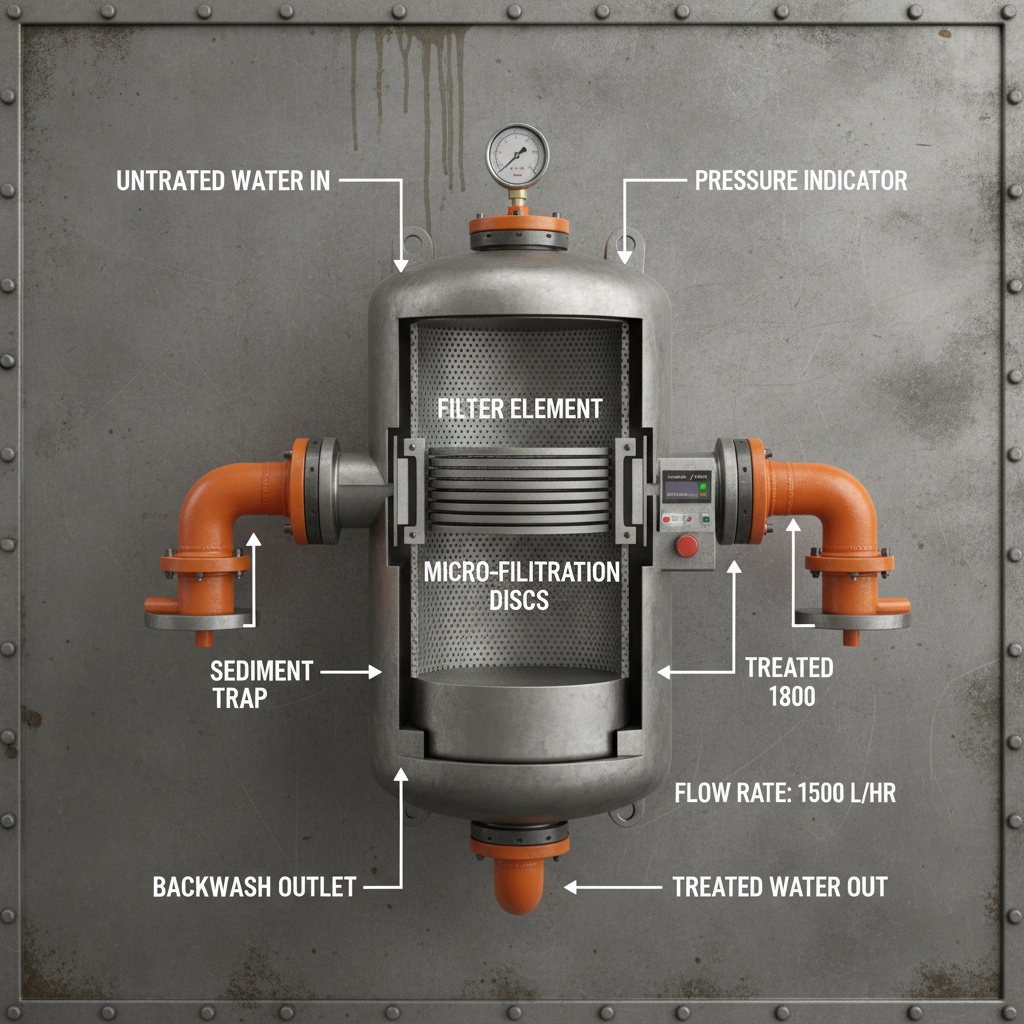
Industrial filters are designed to remove contaminants from liquids, gases, or air streams. These contaminants can range from particulate matter like dust and debris to microscopic organisms, chemicals, and even unwanted odors. Their importance stems from several key benefits: protecting sensitive machinery from wear and tear caused by abrasive particles, ensuring the quality and purity of final products (essential in industries like pharmaceuticals and food processing), reducing emissions and promoting environmental sustainability, and maintaining safe working conditions by removing hazardous substances from the air. Without effective filtration, industrial processes can suffer from inefficiencies, downtime, and increased costs.
Key Benefits: Protecting machinery, ensuring product quality, reducing emissions, maintaining safety.
Types of Industrial Filters
The world of industrial filtration offers a diverse range of filter types, each suited for specific applications. Some common types include:
- Bag Filters: Cost-effective for removing large particles from liquids.
- Cartridge Filters: Provide more precise filtration than bag filters and are available in various materials and pore sizes.
- Pleated Filters: Offer a large surface area for extended filter life and are often used in HVAC systems.
- HEPA Filters: High-Efficiency Particulate Air filters, critical for removing extremely fine particles and are used in cleanrooms and pharmaceutical manufacturing.
- Activated Carbon Filters: Excellent for removing odors, gases, and volatile organic compounds (VOCs).
- Membrane Filters: Provide the highest level of filtration, often used in sterile applications.
Applications of Industrial Filters Across Industries
Industrial filters are essential across a wide spectrum of industries. In the pharmaceutical industry, they ensure the sterility of drugs and medical devices. In the food and beverage industry, they maintain product purity and prevent contamination. Power generation plants use filters to protect turbines from damage. The chemical industry relies on filters to purify raw materials and control emissions. Manufacturing facilities use filters to remove debris from cooling systems and hydraulic fluids. And the automotive industry relies on air and oil filters for engine performance and longevity. The specific filtration requirements vary significantly depending on the industry and application.
Industry Applications:
• Pharmaceuticals: Sterility assurance
• Food & Beverage: Purity and contamination control
• Power Generation: Turbine protection
• Chemical Processing: Purification and emission control
Choosing the Right Industrial Filter: Key Considerations
Selecting the appropriate industrial filter requires careful consideration of several factors. First, identify the type of contaminant you need to remove – is it particulate matter, chemicals, or microorganisms? Next, determine the size of the particles or the concentration of the contaminant. Consider the flow rate of the fluid or gas stream. The operating temperature and pressure are also critical factors, as these can affect filter performance and lifespan. Finally, the material compatibility of the filter with the fluid or gas being filtered is essential to prevent corrosion or degradation.
Partnering with China Porous Filters for Optimal Filtration Solutions
At China Porous Filters, we specialize in providing high-quality industrial filters tailored to meet your specific needs. We offer a comprehensive range of filter types, materials, and sizes, and our experienced engineers can assist you in selecting the optimal filtration solution for your application. We are committed to innovation, quality, and customer satisfaction, ensuring reliable performance and long-term value.
Conclusion: The Foundation of Efficient Industrial Processes
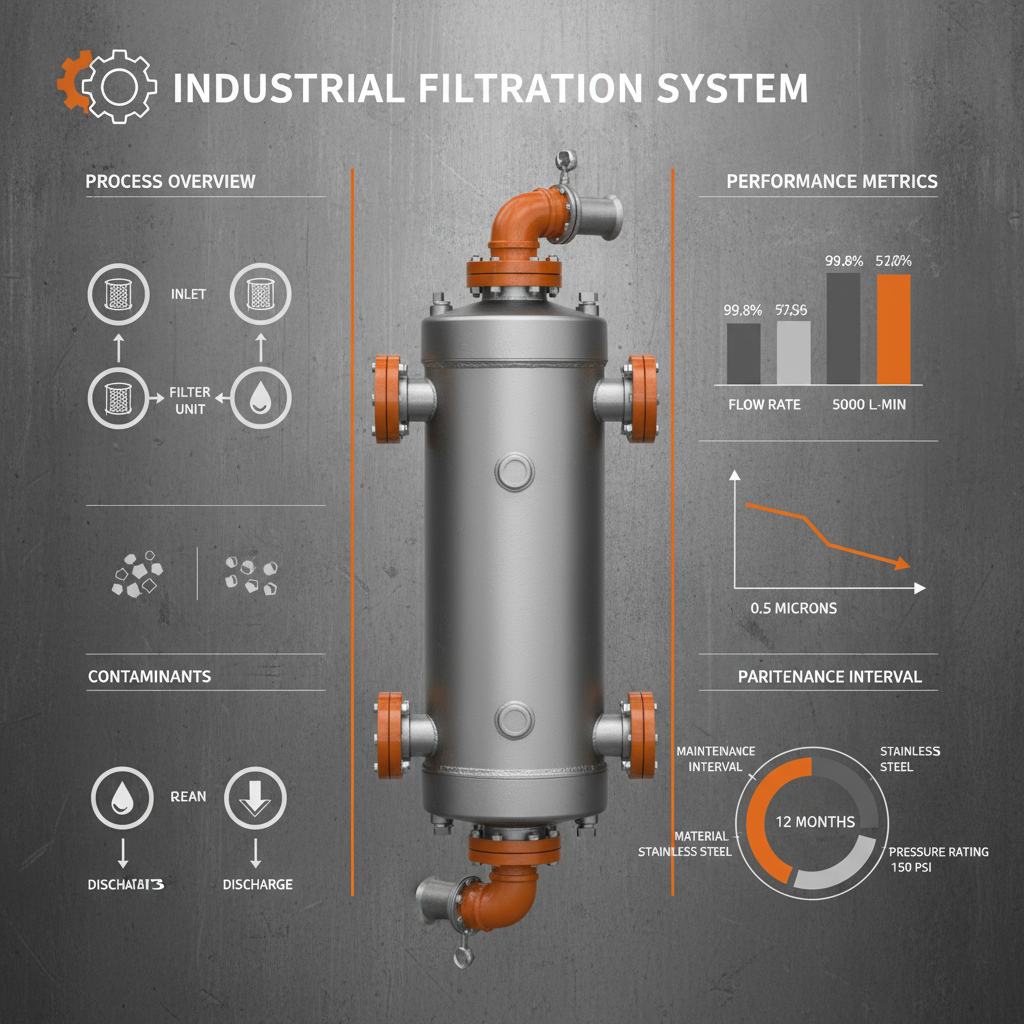
Investing in the right industrial filters is crucial for the efficiency, safety, and sustainability of your operations. By choosing a reliable partner like China Porous Filters, you can ensure optimal performance and long-term cost savings. Don't compromise on filtration – it’s the cornerstone of a successful industrial process.
Frequently Asked Questions (FAQs)
What is the difference between absolute and nominal filter ratings?
Absolute filter ratings indicate the size of particles a filter will consistently remove, typically 99.9% of particles at that size or larger. Nominal filter ratings, on the other hand, are an indication of the average particle size a filter can remove, but with no guaranteed efficiency. Essentially, an absolute rating offers a more precise and reliable measure of filtration performance, while a nominal rating is a more general guideline. For critical applications requiring high purity, absolute-rated filters are generally preferred.
How often should industrial filters be replaced?
The frequency of filter replacement depends on several factors, including the type of filter, the contaminant load, and the operating conditions. Regularly monitoring pressure drop across the filter is a good indicator of when replacement is needed. A significant increase in pressure drop suggests the filter is becoming clogged. Generally, filters should be replaced when they reach their recommended differential pressure rating, or at intervals recommended by the filter manufacturer. Preventative maintenance schedules should be established based on usage and application.
Can industrial filters be cleaned and reused?
Some types of industrial filters, such as certain cartridge and bag filters, can be cleaned and reused, depending on the type of contaminant and the filter material. However, cleaning may not restore the filter to its original efficiency, and repeated cleaning can degrade the filter media. Disposable filters, such as those made from melt-blown polypropylene, are typically designed for single use. Always consult the filter manufacturer's recommendations regarding cleaning and reuse.
What materials are industrial filters made from?
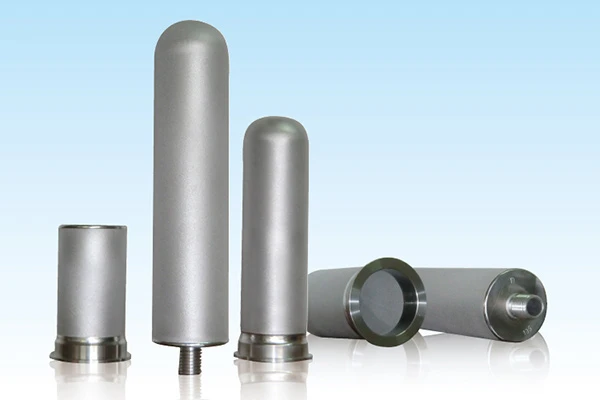
Industrial filters are manufactured from a wide range of materials to suit various applications. Common materials include polypropylene, polyester, nylon, cellulose, and stainless steel. The choice of material depends on factors like chemical compatibility, temperature resistance, and particle size requirements. For example, polypropylene is often used for water filtration, while stainless steel is preferred for high-temperature or corrosive environments.
Post Time: Apr . 04, 2026 02:55