The Ultimate Guide to PE Filter Technology for Industrial Filtration
In the demanding world of industrial fluid management, selecting the right filtration medium is critical for operational efficiency and product purity. The pe filter (Polyethylene filter) has emerged as a cornerstone solution due to its exceptional chemical resistance and versatile porosity. Whether you are dealing with aggressive chemicals, water treatment, or air ventilation, understanding the nuances of polyethylene filtration can help you reduce downtime and lower maintenance costs. In this comprehensive guide, we will explore how these filters operate, their primary advantages, and how to choose the perfect specification for your specific application.
What is a PE Filter and How Does it Work?
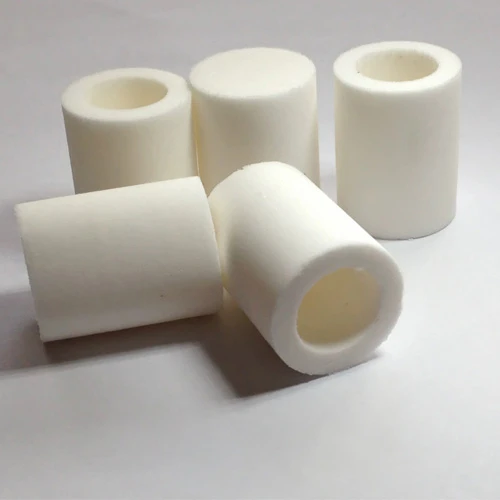
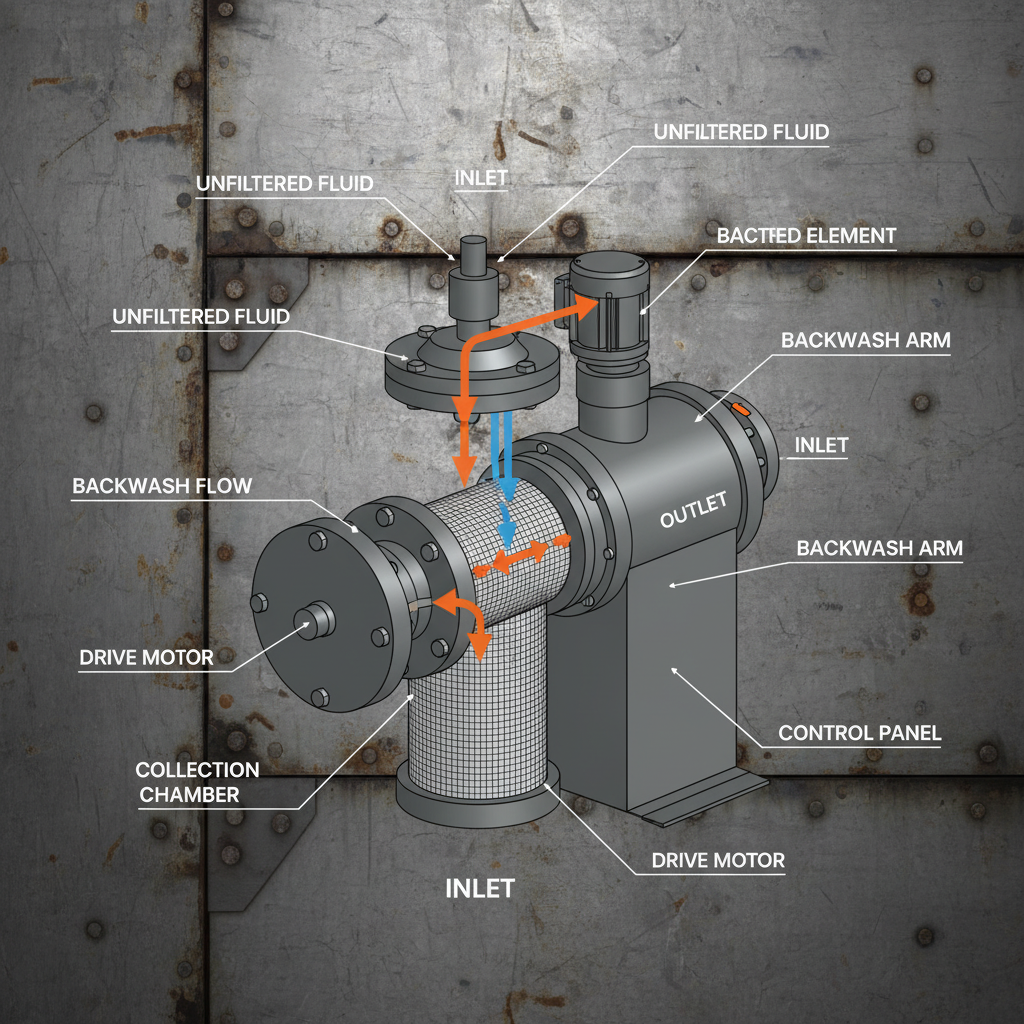
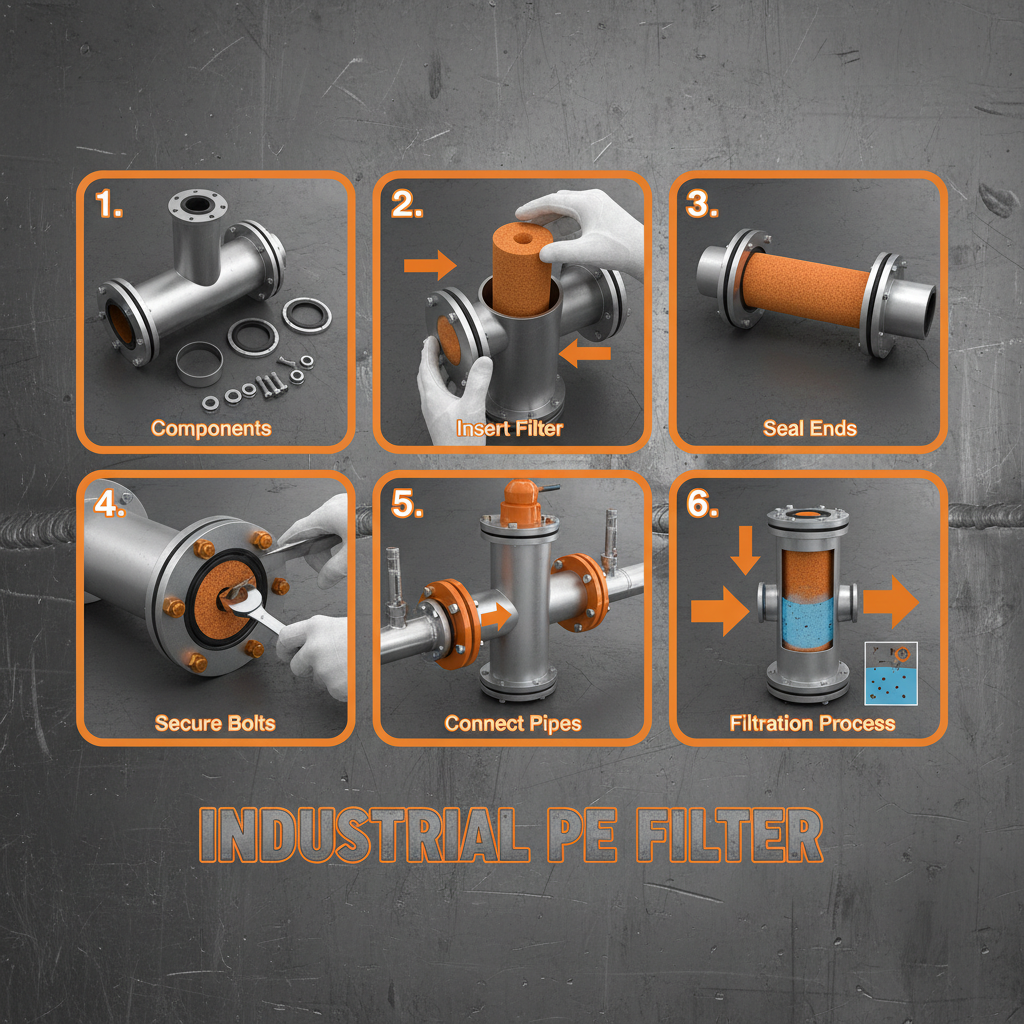
A pe filter is a filtration component manufactured from polyethylene, a thermoplastic polymer known for its durability and hydrophobic properties. Unlike traditional fabric filters, these are often produced as porous plastics or sintered beads, creating a complex network of interconnected pores. This structure allows the filter to capture particulate matter while permitting the fluid or gas to pass through with minimal pressure drop. High-density polyethylene (HDPE) is frequently used to enhance structural rigidity, making these filters ideal for high-pressure environments where stability is non-negotiable.
Technical Insight: The efficiency of a polyethylene filter is primarily determined by its pore size distribution. A tighter distribution ensures that particles above a specific micron rating are consistently blocked, ensuring superior purity levels.
Key Advantages of Using a PE Filter in Industry
One of the most significant reasons engineers opt for a pe filter is its unmatched chemical inertness. Polyethylene is resistant to a vast array of acids, alkalis, and organic solvents, which would typically degrade nylon or polyester filters. Additionally, the hydrophobic nature of PE makes it an excellent choice for venting applications, as it prevents water from entering a system while allowing air to flow freely. This dual-action capability reduces the risk of contamination in sensitive electronic enclosures and pharmaceutical packaging.
Top Performance Benefits:
• Superior resistance to corrosive chemical agents
• Low moisture absorption (excellent hydrophobic properties)
• High mechanical strength and impact resistance
• Cost-effective lifespan compared to specialized ceramic filters
PE Filter vs. Other Porous Materials: A Comparison
When choosing between materials, it is essential to weigh the trade-offs between cost, temperature resistance, and filtration precision. While PTFE offers higher temperature stability, the pe filter provides a more economical solution for standard temperature ranges. Compared to stainless steel, PE filters are much lighter and offer better resistance to certain types of corrosion. The following table highlights the critical differences to help you make an informed decision.
Practical Applications for PE Filter Systems
The versatility of the pe filter allows it to be utilized across diverse sectors. In the pharmaceutical industry, they are used for sterile venting and protecting sensitive equipment from airborne contaminants. In automotive engineering, they serve as oil-water separators and fuel filters due to their resistance to hydrocarbons. Furthermore, in the environmental sector, they play a key role in wastewater treatment by removing microplastics and suspended solids. Their ability to be molded into various shapes—discs, tubes, or blocks—makes them highly adaptable to existing machinery.
PE Filter Technical Specifications and Selection
Selecting the correct pe filter requires a detailed analysis of the fluid's viscosity, the required filtration rating (microns), and the operating temperature. A filter that is too dense will cause a significant pressure drop, potentially damaging pumps, while one that is too porous will fail to meet purity standards. Most professional-grade PE filters are tested for "bubble point" to verify the maximum pore size. Below are the typical specifications for standard industrial polyethylene filters:
Maintenance and Lifespan Optimization
To maximize the ROI of your pe filter, a proactive maintenance schedule is essential. Since PE filters are often used in harsh environments, they can eventually succumb to "blinding," where the pores become completely clogged with particulates. Monitoring the differential pressure (ΔP) across the filter is the most reliable way to determine when a replacement or cleaning is necessary. Depending on the grade, some PE filters can be cleaned using ultrasonic baths or mild solvent flushes, though replacement is recommended for high-precision sterile applications to avoid cross-contamination.
Conclusion: Choosing the Right PE Filter for Your Needs
The pe filter represents a perfect balance of chemical stability, hydrophobic performance, and cost-efficiency. From protecting industrial vents to purifying complex chemical streams, its versatility makes it an indispensable tool in modern filtration. By understanding the material properties and selecting the correct pore size, businesses can significantly enhance their system reliability and product quality. For those seeking professional-grade filtration solutions, investing in high-quality polyethylene components is a strategic move toward operational excellence.
Frequently Asked Questions (FAQs)
Can a PE filter be reused?
Whether a PE filter can be reused depends on the application and the nature of the contaminants. For general industrial use, many sintered polyethylene filters are washable and can be cleaned using ultrasonic cleaning or specific solvents to remove trapped particles. However, in medical or pharmaceutical settings where sterility is required, filters are typically treated as consumables and replaced after a single use to prevent the risk of contamination. Always check the manufacturer's specifications to determine if your specific filter model is designed for multi-cycle use.
What is the difference between HDPE and LDPE filters?
The primary difference lies in the density and molecular structure. High-Density Polyethylene (HDPE) filters are more rigid, have a higher melting point, and offer superior strength, making them ideal for high-pressure fluid filtration. Low-Density Polyethylene (LDPE) filters are more flexible and often used in applications where a softer seal or more pliable structure is required. In most industrial filtration scenarios, HDPE is preferred due to its durability and better resistance to chemical deformation under stress.
Why is the hydrophobic property of PE filters important?
The hydrophobic property means that the material naturally repels water. This is critical for "breather" or "vent" filters, where the goal is to allow air (gas) to pass through while blocking liquid water or moisture from entering a protected enclosure. For example, in electronics, a hydrophobic pe filter prevents rain or humidity from entering the device while allowing internal pressure to equalize with the outside air, preventing seal failure and internal condensation.
How do I know when to replace my PE filter?
The most accurate indicator for replacement is a significant increase in the pressure drop across the filter. When the pores become clogged, the system must work harder to push fluid through, resulting in a higher differential pressure. Many systems utilize pressure gauges before and after the filter to monitor this. Additionally, if you notice a decline in the purity of the output (e.g., particulates appearing in the filtered fluid), it may indicate a filter breach or "channeling," necessitating an immediate replacement to protect downstream equipment.
Post Time: Apr . 09, 2026 02:45