Understanding High Pressure Filters: A Comprehensive Guide
In various industrial applications, maintaining fluid cleanliness is paramount. High pressure filters play a vital role in removing contaminants from hydraulic systems, pneumatic lines, and other high-pressure fluid applications. This article delves into the functionality, types, applications, and key considerations when selecting a high pressure filter, providing valuable insights for engineers, maintenance professionals, and anyone involved in fluid power systems. Investing in the right filter can significantly extend the life of your equipment and reduce costly downtime.
How Do High Pressure Filters Work?
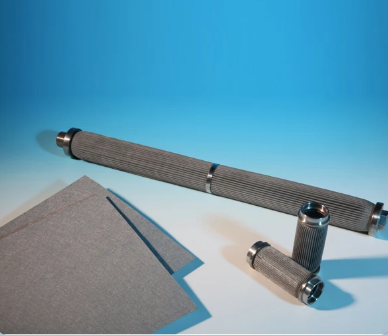
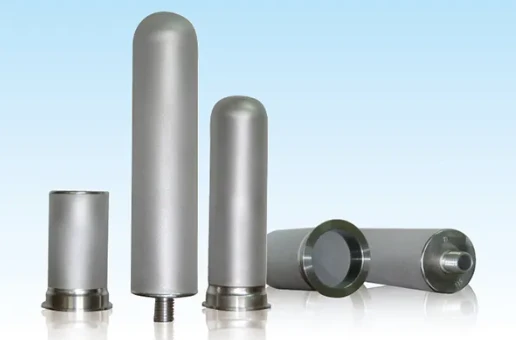
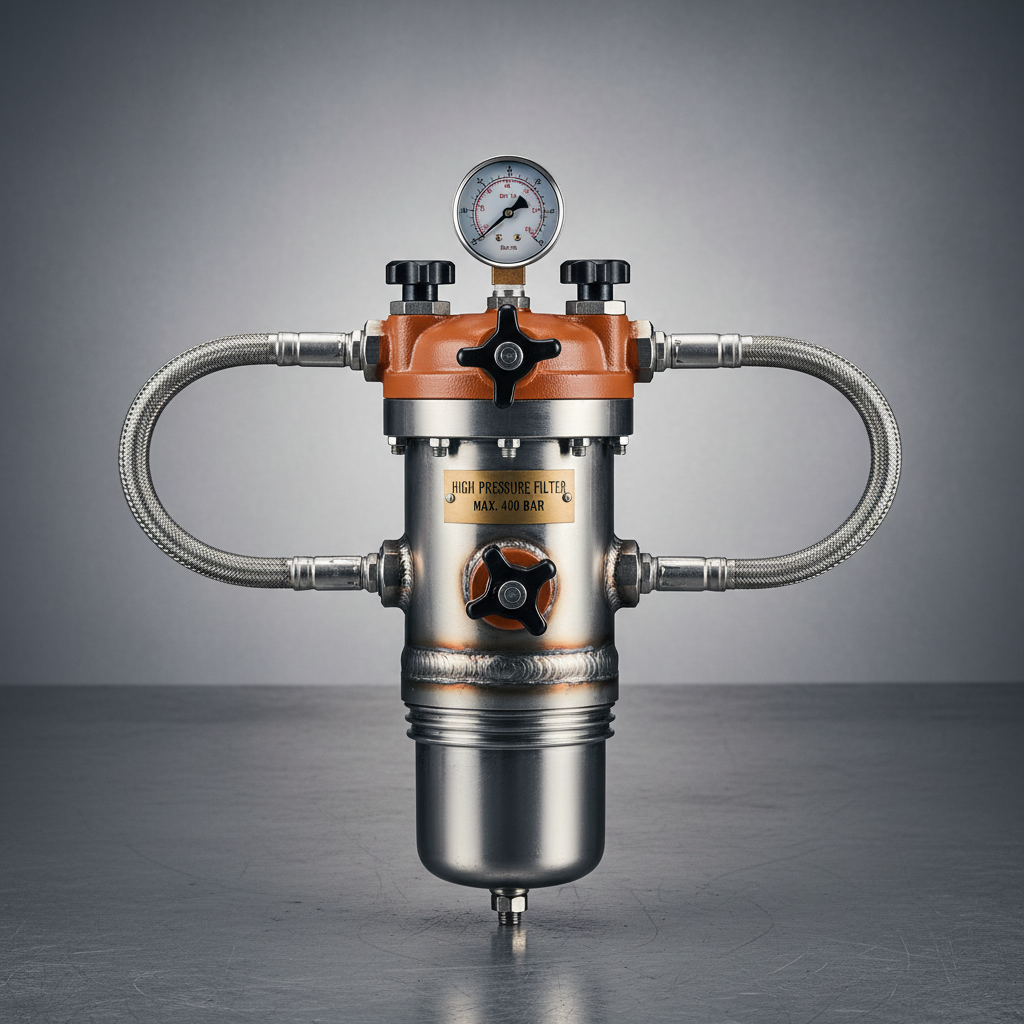
High pressure filters operate on the principle of capturing particulate contaminants as fluid passes through a filtering medium. These filters are designed to withstand extreme pressures, often exceeding 5000 PSI, making them suitable for demanding applications. The filtering medium, typically composed of woven wire mesh, sintered metal, or pleated paper, traps particles based on their size and shape. The efficiency of a high pressure filter is measured in microns, indicating the size of particles it can effectively remove. Regular filter replacement is essential to maintain optimal performance and prevent system contamination. A clogged filter can lead to reduced flow rate, increased pressure drop, and ultimately, system failure.
Key Highlights: High pressure filters are crucial for protecting sensitive components in hydraulic and pneumatic systems from abrasive particles. They help to extend the life of pumps, valves, and actuators, reducing maintenance costs and downtime.
Types of High Pressure Filters
Several types of high pressure filters are available, each suited for specific applications. These include:
- Spin-on Filters: These are self-contained units that combine the filter element and housing into a single, easily replaceable unit.
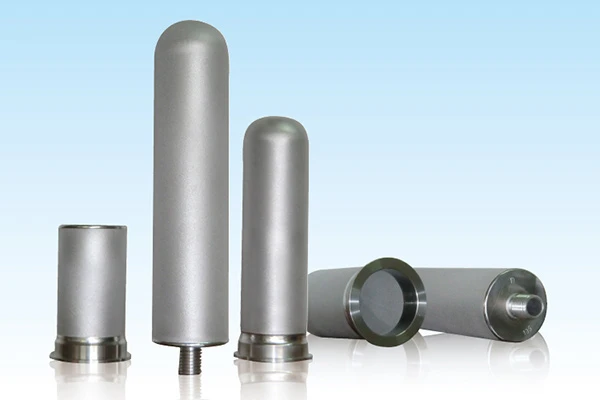
- Cartridge Filters: These utilize replaceable filter cartridges inserted into a reusable housing, offering a more economical and environmentally friendly solution.
- Inline Filters: Installed directly in the fluid line, these filters provide a compact and efficient filtration solution.
- Duplex Filters: Featuring two filter elements, these allow for continuous filtration even during filter replacement.
The selection of the appropriate filter type depends on factors such as flow rate, pressure, fluid compatibility, and maintenance requirements. China Porous Filters offers a wide range of high pressure filter types to meet diverse industrial needs.
Applications of High Pressure Filters
High pressure filters are essential in a wide variety of industries and applications, including:
- Hydraulic Systems: Protecting pumps, valves, and actuators in construction equipment, industrial machinery, and aerospace applications.
- Pneumatic Systems: Ensuring clean compressed air for industrial automation, medical devices, and food processing.
- Oil and Gas: Filtering contaminants from drilling fluids and production fluids.
- Chemical Processing: Removing particulates from corrosive chemicals and solvents.
- Water Treatment: Filtering sediment and other impurities from water supplies.
The specific application dictates the required filter efficiency, pressure rating, and material compatibility.
High Pressure Filter Material Comparison
Choosing the right filter material is crucial for ensuring compatibility with the fluid being filtered and the operating conditions. Here's a comparison of common filter materials:
Key Considerations When Selecting a High Pressure Filter
Selecting the right high pressure filter requires careful consideration of several factors. These include:
- Pressure Rating: Ensure the filter can withstand the maximum operating pressure of the system.
- Flow Rate: Choose a filter with a sufficient flow capacity to avoid restricting system performance.
- Fluid Compatibility: Select a filter material compatible with the fluid being filtered to prevent corrosion or degradation.
- Filtration Efficiency: Determine the required level of filtration based on the sensitivity of downstream components.
- Temperature Range: Ensure the filter can operate within the expected temperature range of the system.
Proper filter selection and maintenance are essential for ensuring the reliable operation and longevity of your fluid power systems. Contact our experts at China Porous Filters for assistance in choosing the right filter for your application.
Conclusion: Ensuring System Reliability with High Pressure Filtration
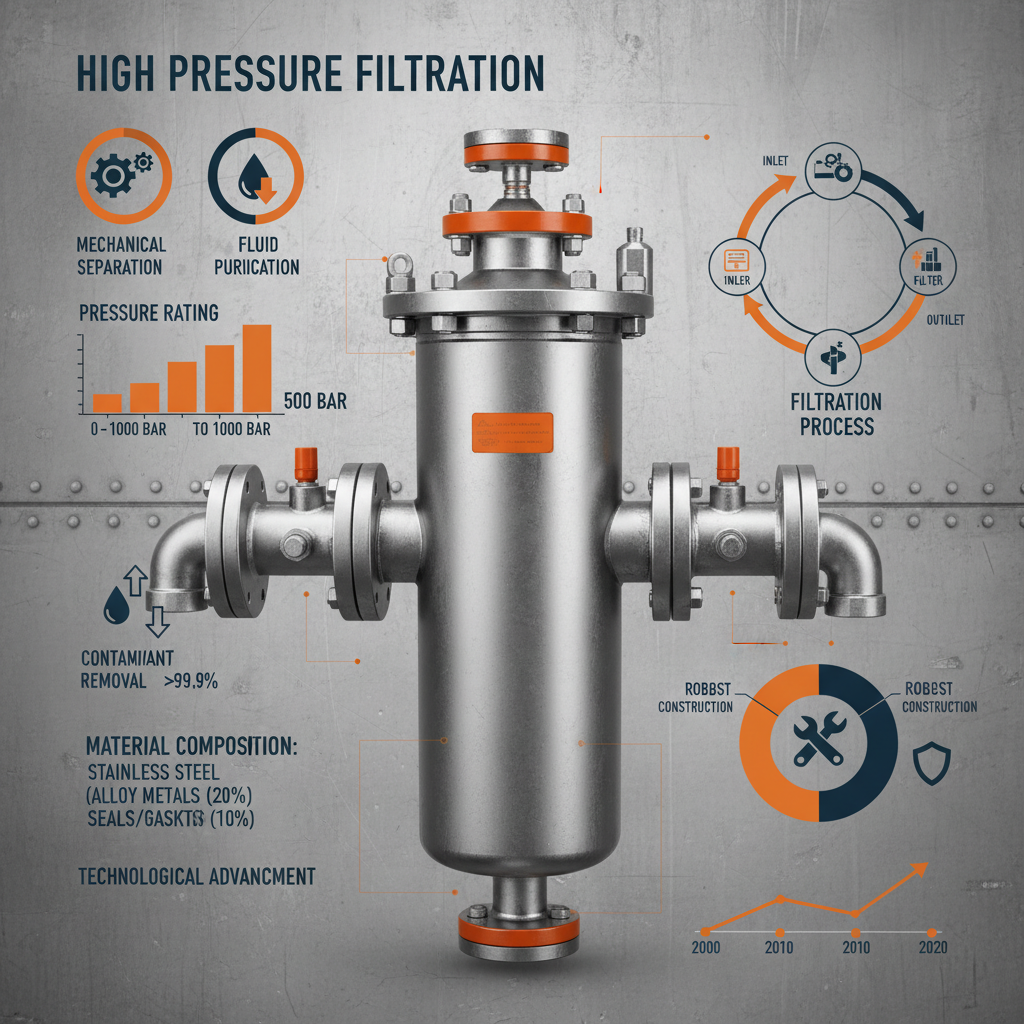
Investing in high-quality high pressure filters is crucial for protecting valuable equipment and maintaining optimal system performance. By understanding the different types of filters, materials, and key considerations, you can select the right filtration solution for your specific needs. Don't compromise on fluid cleanliness – choose reliable filtration for long-term system reliability.
Frequently Asked Questions (FAQs)
How often should I replace my high pressure filter?
The replacement frequency depends on the application and operating conditions. Generally, it's recommended to replace filters based on a combination of factors, including pressure drop, flow rate, and a predetermined time interval. Monitoring the differential pressure across the filter is a good indicator of when replacement is needed. A significant increase in pressure drop signifies that the filter is becoming clogged and restricting flow. As a general guideline, inspect filters every 3-6 months and replace them as needed. Refer to the filter manufacturer's recommendations for specific guidance.
What is differential pressure, and why is it important?
Differential pressure is the difference in pressure between the inlet and outlet sides of the filter. As the filter becomes clogged with contaminants, the pressure drop across it increases. Monitoring differential pressure provides a clear indication of filter loading and helps determine when replacement is necessary. Ignoring a high differential pressure can lead to reduced system efficiency, increased energy consumption, and potential damage to downstream components. Pressure gauges or differential pressure transmitters are commonly used to monitor this parameter.
Can I clean a high pressure filter instead of replacing it?
While some types of filters can be cleaned, it's generally not recommended for high pressure filters, especially those with fine filtration ratings. Cleaning can damage the filter media and compromise its efficiency. Moreover, the contaminants removed during cleaning need to be properly disposed of to prevent re-introduction into the system. Replacing the filter with a new one is the most reliable and cost-effective solution in the long run. Disposable filter elements are designed for single-use and offer consistent performance.
Post Time: Mar . 24, 2026 02:55