Waste Water Diffusers: Optimizing Effluent Distribution
Effective wastewater treatment is crucial for environmental protection and regulatory compliance. A key component often overlooked is the waste water diffuser, responsible for distributing air within aeration tanks to support biological processes. This article explores the importance of these diffusers, the different types available, factors influencing their selection, and how China Porous Filters provides high-quality solutions for a wide range of applications. Choosing the right diffuser significantly impacts treatment efficiency, energy consumption, and operational costs.
Understanding the Role of Waste Water Diffusers
Waste water diffusers introduce air into wastewater, creating bubbles that increase the surface area for oxygen transfer. This oxygen is vital for microorganisms that break down organic pollutants. Without efficient aeration, the treatment process suffers, resulting in incomplete treatment and potential environmental issues. Diffusers come in various designs, each with its strengths and weaknesses. The correct diffuser selection depends on tank size, airflow requirements, wastewater characteristics, and desired oxygen transfer efficiency. China Porous Filters specializes in providing tailored diffuser solutions to meet these specific needs.
Key Benefit: Enhanced oxygen transfer leads to more efficient biodegradation of pollutants, improving water quality and reducing treatment costs.
Types of Waste Water Diffusers
Several types of waste water diffusers are available, each designed for specific applications. Common types include:
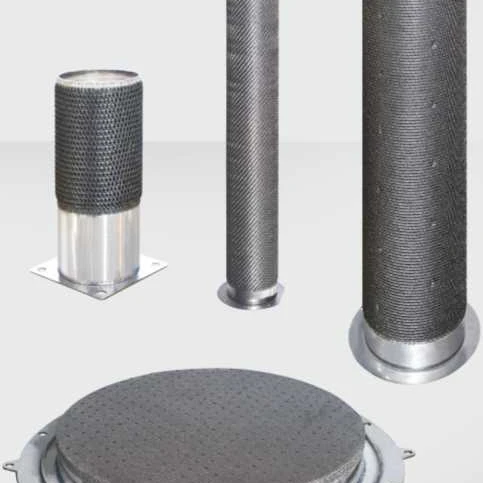
- Plate Diffusers: Offer a large surface area and uniform air distribution.
- Tube Diffusers: Flexible tubing that creates small bubbles, maximizing oxygen transfer.
- Disc Diffusers: Compact and efficient, suitable for retrofit applications.
- Fine Bubble Diffusers: These are known for maximizing oxygen transfer efficiency and minimizing energy consumption.
The choice depends on factors like tank geometry, airflow requirements, and the need for ease of maintenance. China Porous Filters offers expertise in helping clients choose the optimal diffuser type for their system.
Diffuser Selection Considerations:
• Airflow Rate: Matching diffuser capacity to airflow requirements.
• Tank Size & Geometry: Optimizing diffuser placement for uniform distribution.
• Wastewater Characteristics: Considering solids content and potential fouling.
• Energy Efficiency: Selecting diffusers that minimize energy consumption.
Waste Water Diffusers: A Comparative Analysis
Understanding the strengths and weaknesses of each diffuser type is crucial for making informed decisions. The table below provides a comparison of common diffuser types:
China Porous Filters: Your Partner in Wastewater Treatment
China Porous Filters is a leading manufacturer of high-quality waste water diffusers. We offer a comprehensive range of diffuser types, materials, and sizes to meet diverse application requirements. Our commitment to innovation, quality control, and customer service ensures that you receive the best possible solution for your wastewater treatment needs. We provide expert consultation, custom design options, and reliable support throughout the entire process.
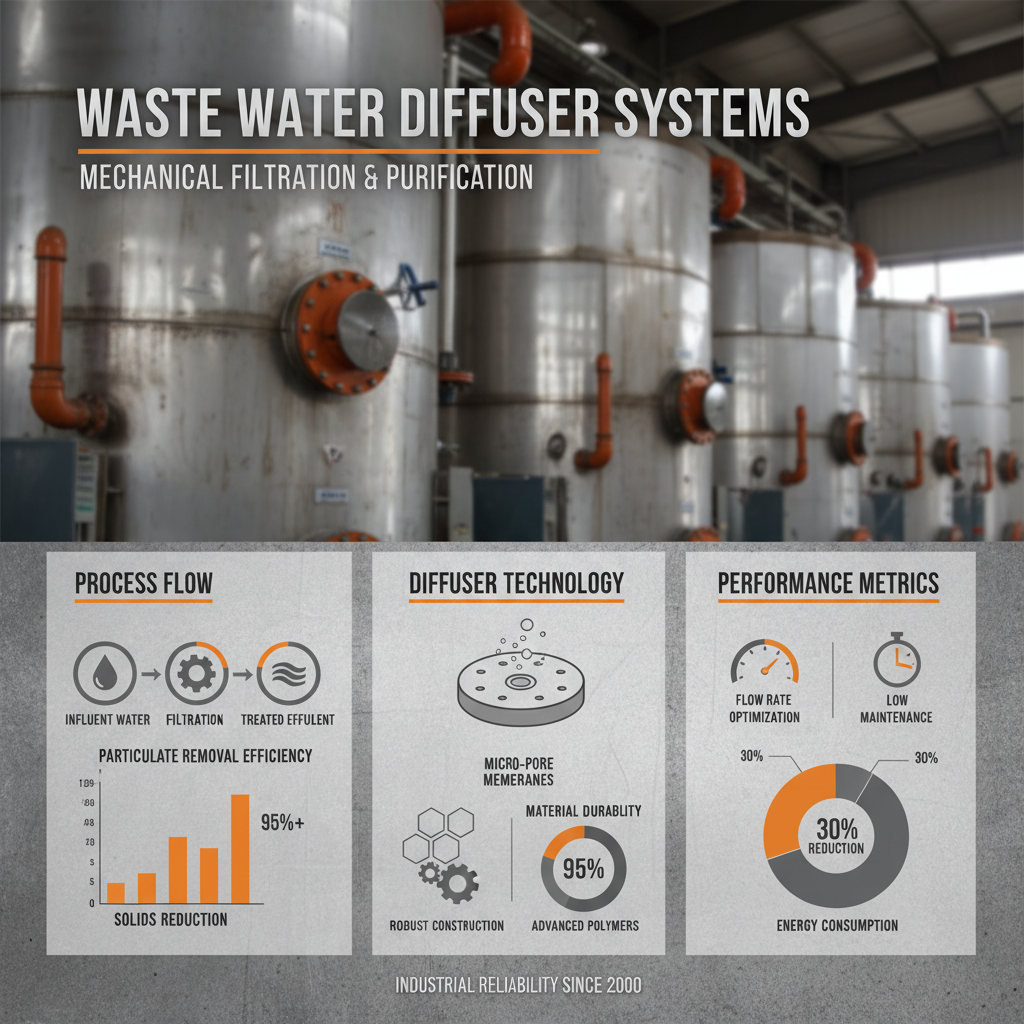
Product Specifications: Fine Bubble Diffusers
Here's a detailed look at our popular fine bubble diffuser models:
Conclusion: Optimizing Wastewater Treatment with the Right Diffusers
Investing in high-quality waste water diffusers is crucial for efficient and cost-effective wastewater treatment. China Porous Filters offers a comprehensive range of solutions tailored to your specific needs, backed by expert support and a commitment to quality. Contact us today to learn more about how we can help you optimize your wastewater treatment process.
Frequently Asked Questions (FAQs)
What is the typical lifespan of a waste water diffuser?
The lifespan of a waste water diffuser varies depending on the type of diffuser, the wastewater characteristics, and the operating conditions. Typically, fine bubble diffusers have a lifespan of 5-10 years, while other types may last longer. Factors such as solids content, chemical exposure, and maintenance practices can significantly affect the diffuser's longevity. Regular inspection and cleaning are essential to maximize its lifespan. China Porous Filters offers durable diffusers designed for long-term performance, alongside maintenance guidance.
How do I determine the appropriate airflow rate for my wastewater treatment system?
Determining the correct airflow rate requires careful consideration of several factors, including the volume of wastewater being treated, the biochemical oxygen demand (BOD) levels, the desired dissolved oxygen (DO) concentration, and the tank geometry. It’s often calculated based on the mass transfer rate needed to satisfy the oxygen demand of the microorganisms. Consulting with a wastewater treatment specialist or utilizing specialized software tools can help ensure accurate airflow rate determination. China Porous Filters’ engineers can provide assistance in calculating the optimal airflow rate for your specific application.
What maintenance is required for waste water diffusers?
Regular maintenance is crucial for maintaining diffuser performance. This includes periodic inspection for fouling, clogging, or damage. Cleaning can be performed by backflushing with air or water, or by using specialized cleaning agents. In some cases, diffusers may need to be removed and cleaned manually. Preventative maintenance schedules should be established to ensure optimal performance and longevity. China Porous Filters offers guidance on diffuser maintenance and cleaning procedures.
How does diffuser type affect energy consumption?
The type of diffuser significantly impacts energy consumption. Fine bubble diffusers generally require less energy than coarse bubble diffusers to achieve the same level of oxygen transfer. This is because smaller bubbles have a larger surface area-to-volume ratio, allowing for more efficient oxygen absorption. Choosing energy-efficient diffusers can lead to substantial cost savings over the lifespan of the wastewater treatment system. China Porous Filters’ diffusers are designed for optimal energy efficiency.
Post Time: Mar . 06, 2026 04:45