Choosing the Right Industrial Air Filter: A Comprehensive Guide
Maintaining air quality in industrial settings is critical for worker health, equipment longevity, and process efficiency. An industrial air filter plays a vital role in removing contaminants like dust, fumes, and particulate matter. This article provides an in-depth look at industrial air filtration, covering types, applications, and factors to consider when selecting the best filter for your needs. Protecting your workspace and personnel with the correct filtration system is a smart investment for any business.
Understanding Different Types of Industrial Air Filters
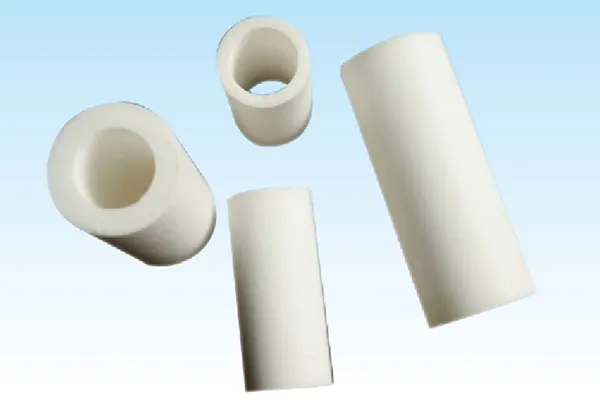
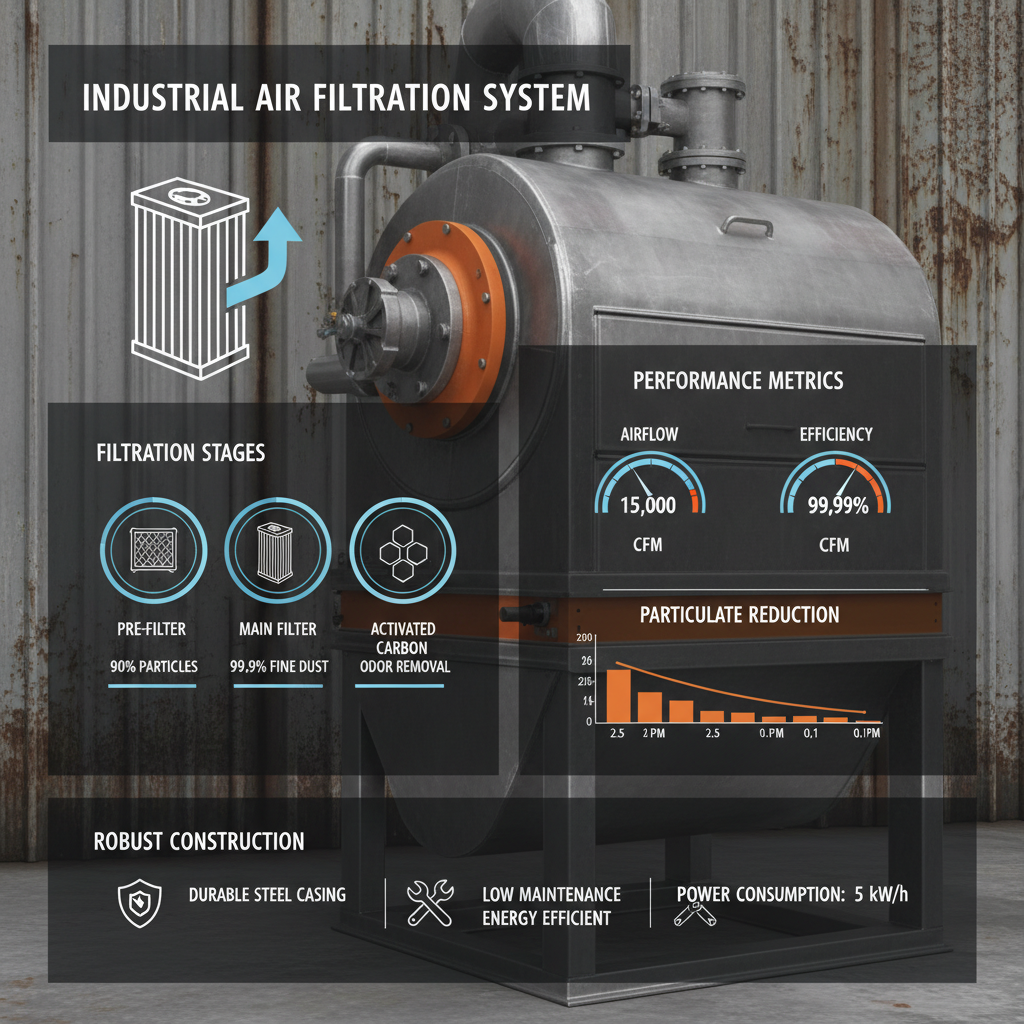
The world of industrial air filtration offers a diverse range of filter types, each designed to address specific contaminants and application requirements. Common types include pleated filters, bag filters, HEPA filters, and carbon filters. Pleated filters are cost-effective for basic dust removal. Bag filters provide higher efficiency and are suitable for larger particulate loads. High-Efficiency Particulate Air (HEPA) filters capture extremely fine particles, crucial for cleanroom environments. Carbon filters excel at removing odors and gaseous pollutants. Selecting the appropriate filter type is paramount to achieving effective air purification. China Porous Filters specializes in tailoring filter solutions to meet unique industrial needs.
Key Considerations: Choosing the right filter depends on the type and size of contaminants, airflow requirements, and regulatory standards.
Applications of Industrial Air Filters
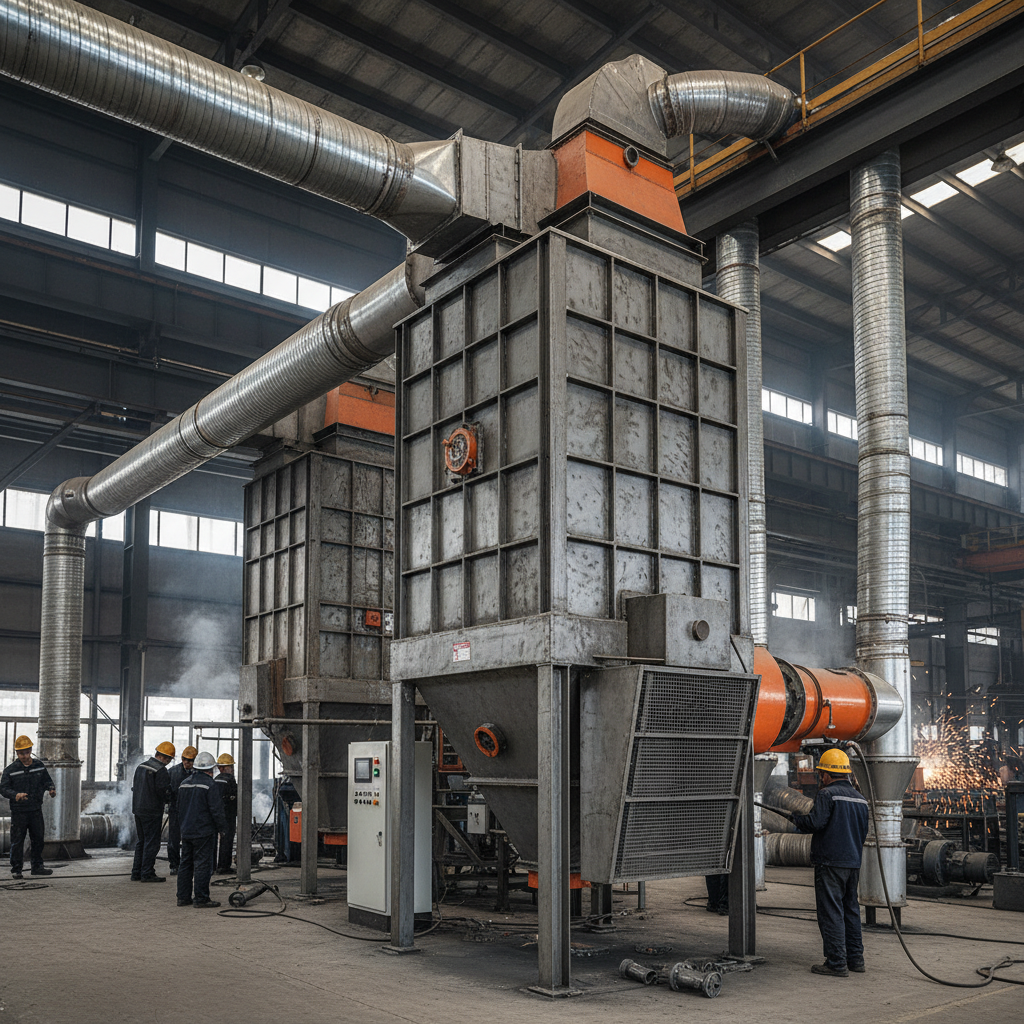
Industrial air filters are essential across a wide spectrum of industries. Manufacturing facilities utilize them to control dust and fumes generated during production processes. Pharmaceutical companies rely on HEPA filters to maintain sterile environments. Food and beverage processing plants employ air filters to prevent contamination. The automotive industry uses them to remove paint overspray and welding fumes. Power generation plants utilize filters to protect equipment from abrasive particles. Effective air filtration safeguards product quality, protects worker health, and ensures regulatory compliance in these diverse applications.
Key Industries Utilizing Industrial Air Filters:
• Manufacturing
• Pharmaceutical
• Food & Beverage
• Automotive
• Power Generation
Industrial Air Filter Efficiency Ratings & MERV
Understanding filter efficiency is crucial for selecting the right industrial air filter. The Minimum Efficiency Reporting Value (MERV) system is a standard used to rate the effectiveness of air filters. Higher MERV ratings indicate better filtration capability. MERV ratings range from 1 to 20. Filters with MERV ratings of 1-4 are suitable for basic dust removal, while those with ratings of 8-13 are effective at capturing mold spores and pollen. MERV 14-20 filters, including HEPA filters, can remove bacteria and viruses. Choosing a filter with the appropriate MERV rating ensures optimal air quality for your specific needs.
Factors to Consider When Selecting an Industrial Air Filter
Several factors should influence your choice of an industrial air filter. These include the type and concentration of contaminants, airflow rate, temperature, and humidity. Consider the filter's pressure drop, which indicates resistance to airflow. A higher pressure drop requires more energy to maintain airflow. Filter life is another important consideration, as frequent replacements can add to maintenance costs. Finally, ensure the filter complies with relevant safety standards and regulations. China Porous Filters can assist you in evaluating these factors and selecting the most appropriate filter for your specific application.
Maintenance and Replacement Best Practices
Regular maintenance is essential for ensuring optimal performance of your industrial air filtration system. This includes inspecting filters for signs of clogging or damage. Replace filters according to the manufacturer's recommendations, or more frequently if operating in a particularly dusty or polluted environment. Properly dispose of used filters to prevent the release of contaminants back into the atmosphere. Regular cleaning of filter housings and ducts can also improve airflow efficiency. A well-maintained air filtration system contributes to a healthier, safer, and more productive work environment.
Conclusion: Investing in Clean Air
Choosing the right industrial air filter is a critical investment for any business prioritizing worker health, equipment protection, and product quality. By carefully considering the factors outlined in this guide and partnering with a reputable supplier like China Porous Filters, you can ensure a clean and safe operating environment. Don't compromise on air quality – it's an investment that pays dividends in the long run.
Frequently Asked Questions (FAQs)
How often should industrial air filters be replaced?
The replacement frequency of industrial air filters depends on several factors, including the level of contamination, the filter type, and the operating environment. As a general guideline, pleated filters should be replaced every 1-3 months, bag filters every 6-12 months, and HEPA filters every 1-2 years. Regularly inspecting the filter for signs of clogging or damage is crucial. If the pressure drop across the filter increases significantly, it's time for a replacement. Following the manufacturer's recommendations is also essential for optimal performance.
What are the benefits of using a pre-filter?
A pre-filter is a less expensive filter installed before the main filter to capture larger particles, such as dust and debris. Using a pre-filter extends the life of the more expensive main filter by reducing its workload. This results in lower maintenance costs and improved air filtration efficiency. Pre-filters also help to protect sensitive equipment from damage caused by large particles. They are a cost-effective way to enhance the overall performance of your air filtration system.
Can industrial air filters remove odors and volatile organic compounds (VOCs)?
Yes, certain types of industrial air filters can remove odors and VOCs. Activated carbon filters are specifically designed for this purpose. The carbon material adsorbs gaseous pollutants, effectively removing odors and improving air quality. However, the effectiveness of carbon filters depends on the type and concentration of VOCs, as well as the amount of carbon in the filter. Regular replacement of carbon filters is essential to maintain their effectiveness.
What should I look for in a reputable industrial air filter supplier?
When choosing an industrial air filter supplier, look for a company with a wide range of filter options, technical expertise, and a commitment to customer service. The supplier should be able to assess your specific needs and recommend the most appropriate filters for your application. They should also provide technical support, installation assistance, and timely delivery. China Porous Filters is a trusted supplier known for its high-quality products and exceptional customer support.
Post Time: Mar . 17, 2026 02:45