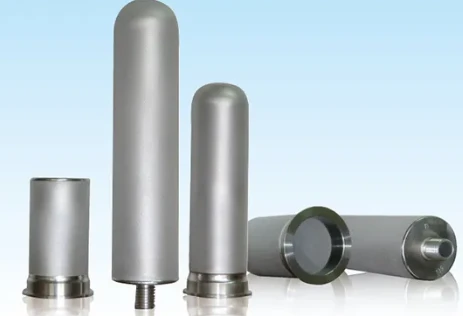
Understanding Self-Cleaning Filters: A Comprehensive Guide
In various industrial processes, maintaining fluid purity is paramount. Contaminants can lead to reduced efficiency, equipment damage, and compromised product quality. Self-cleaning filters offer a robust solution to this challenge, providing continuous filtration with minimal maintenance. This article delves into the benefits, applications, and technology behind these innovative filters, particularly those offered by China Porous Filters. We will explore how they differ from traditional filtration systems and why they are becoming increasingly popular across diverse industries.
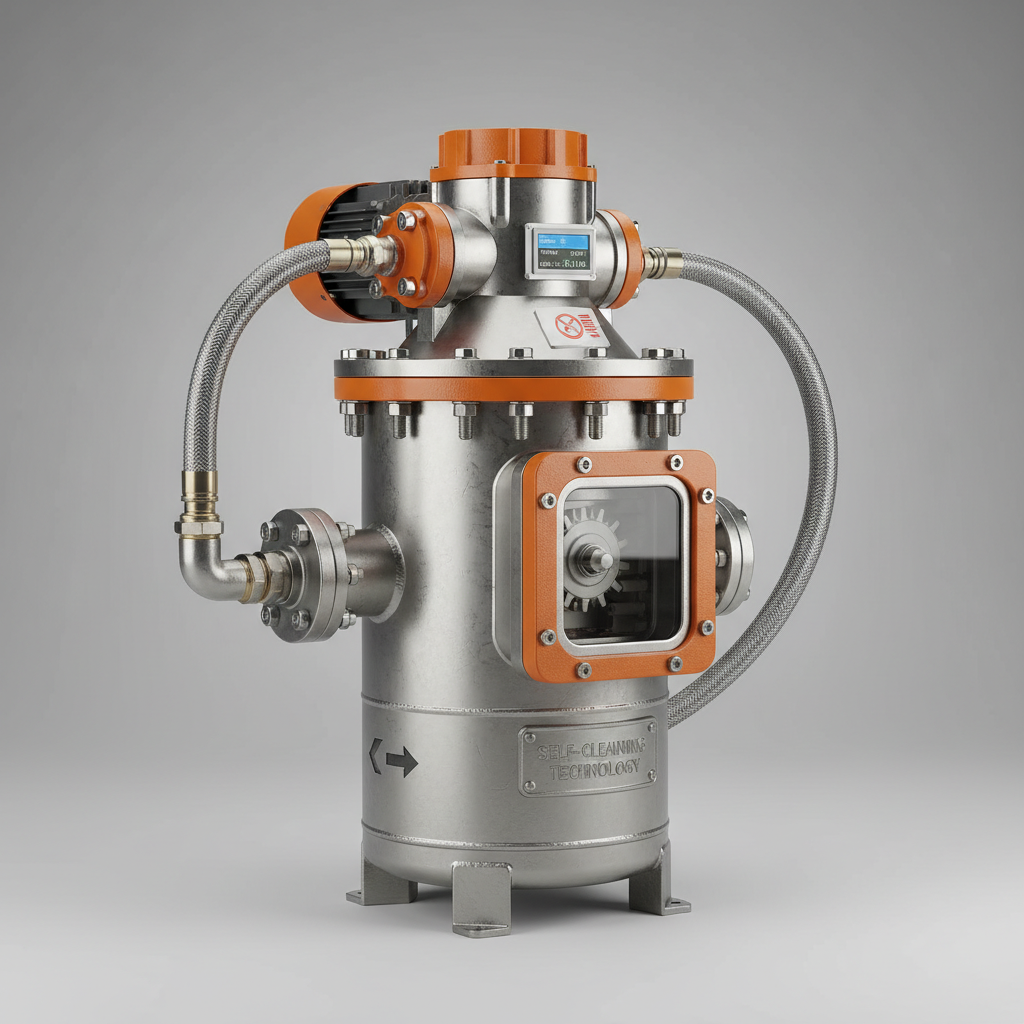
What are Self-Cleaning Filters and How Do They Work?
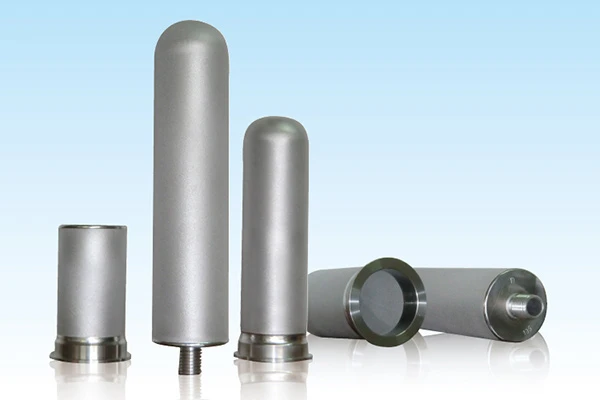
Unlike traditional filters that require manual cleaning or frequent replacement, self-cleaning filters automatically remove accumulated contaminants. This is typically achieved through a backwashing process, where a portion of the filtered fluid is reversed through the filter element, dislodging and removing debris. The key components include the filter housing, the filter element (often a sintered metal or mesh), a backwash mechanism (typically a valve and actuator), and a controller. China Porous Filters specializes in designing and manufacturing these components to deliver highly efficient and reliable filtration solutions.
Key Benefits: Reduced maintenance costs, continuous operation, improved fluid quality, and extended filter element life.
Applications of Self-Cleaning Filters Across Industries
The versatility of self-cleaning filters makes them suitable for a broad spectrum of applications. In the water treatment industry, they are used for pre-filtration of raw water sources. The chemical processing sector employs them to remove solids from corrosive fluids. The oil and gas industry utilizes them to filter hydrocarbons and protect downstream equipment. Other applications include plastics processing, paints and coatings, and pharmaceutical manufacturing. China Porous Filters provides customized filtration solutions tailored to the specific needs of each industry.
Common Applications:
• Water and Wastewater Treatment
• Chemical Processing
• Oil and Gas Production
• Plastics Manufacturing
Self-Cleaning Filters vs. Traditional Filters: A Detailed Comparison
Traditional filters, such as cartridge filters and bag filters, require regular replacement or cleaning, leading to downtime and increased operational costs. Self-cleaning filters, while having a higher initial investment, offer significant long-term savings due to reduced maintenance and increased efficiency. Here’s a comparative overview:
Choosing the Right Self-Cleaning Filter: Key Considerations
Selecting the appropriate self-cleaning filter requires careful consideration of several factors. The type of fluid being filtered, the level of contamination, the flow rate, and the operating pressure are all crucial. The filter element material should be compatible with the fluid to prevent corrosion or degradation. China Porous Filters offers expert guidance to help you choose the best filter for your specific application.
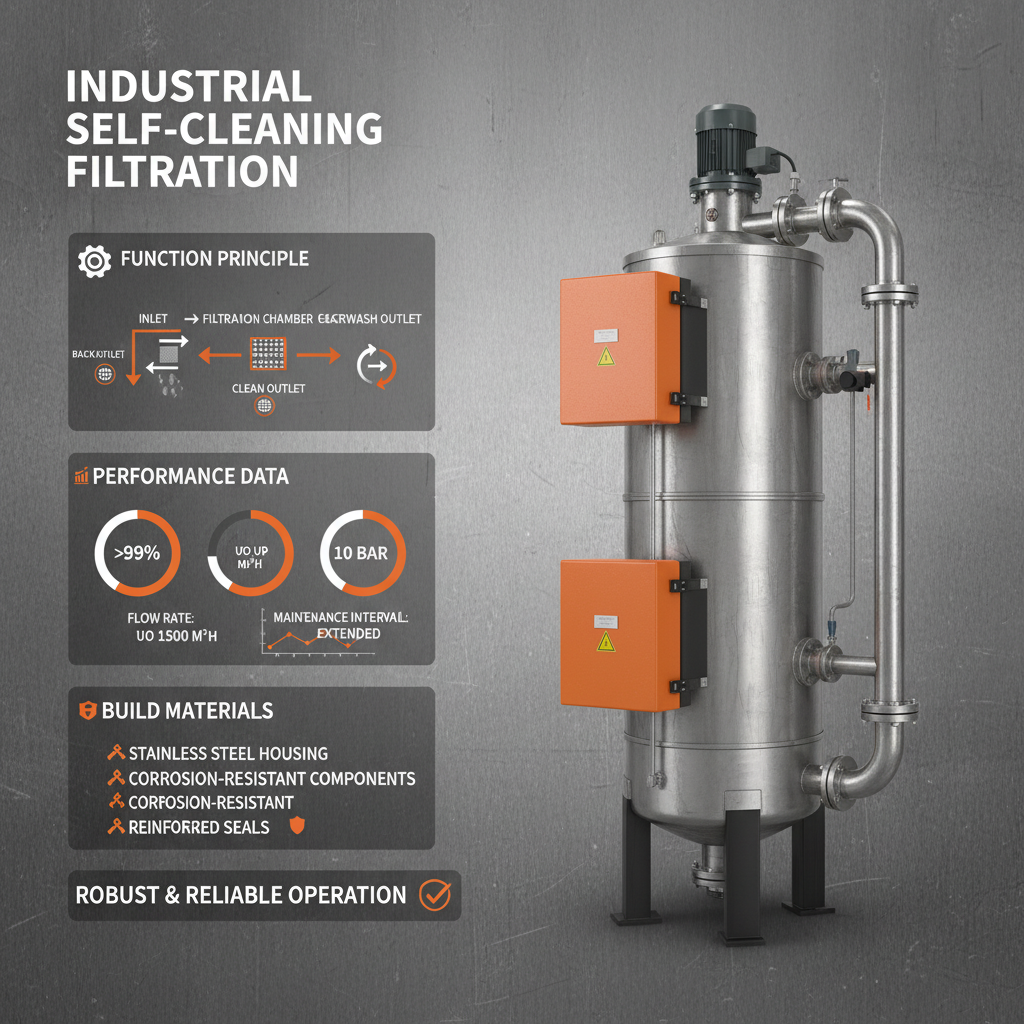
Product Specifications and Capabilities
China Porous Filters manufactures self-cleaning filters with a range of specifications to meet diverse industrial requirements. The filters are available in various sizes, materials (including stainless steel, polypropylene, and other polymers), and micron ratings. Below is a sample product specification sheet:
Conclusion: Embrace Efficiency with Self-Cleaning Filtration
Investing in self-cleaning filters from China Porous Filters is a strategic move towards optimized fluid processing, reduced operational costs, and enhanced product quality. With their durable construction, automated cleaning mechanisms, and customizable options, these filters offer a significant advantage over traditional filtration systems.
Frequently Asked Questions (FAQs)
What fluids are compatible with self-cleaning filters?
Self-cleaning filters can handle a wide variety of fluids, including water, oil, chemicals, and viscous liquids. However, the filter material must be compatible with the fluid's chemical composition. China Porous Filters offers filters made from various materials like stainless steel, polypropylene, and specialized polymers to ensure compatibility and prevent corrosion or degradation. Selecting the appropriate material is crucial for maintaining filter integrity and performance.
How often does a self-cleaning filter need maintenance?
Self-cleaning filters require significantly less maintenance than traditional filters. The automated backwashing process removes accumulated contaminants, minimizing the need for manual cleaning. However, periodic inspection of the filter housing, backwash mechanism, and controller is recommended to ensure optimal performance. Routine maintenance typically involves checking for leaks, verifying the backwash cycle timing, and replacing the filter element every few years depending on usage.
What is the typical payback period for a self-cleaning filter?
The payback period for a self-cleaning filter depends on factors such as the cost of traditional filter replacements, labor costs for cleaning and maintenance, and the value of reduced downtime. However, in many applications, the payback period is typically between 6 months and 2 years, due to the significant savings in maintenance costs and improved operational efficiency. China Porous Filters can provide a detailed cost-benefit analysis to help you determine the potential payback period for your specific application.
Can self-cleaning filters handle high viscosity fluids?
Yes, self-cleaning filters can be designed to handle high viscosity fluids. However, it's crucial to select a filter with a larger surface area and a robust backwash mechanism to effectively remove contaminants from viscous fluids. China Porous Filters offers specialized filters designed for high viscosity applications, ensuring optimal performance and reliability.
Post Time: Mar . 21, 2026 02:45